
Last updated November 14, 2026
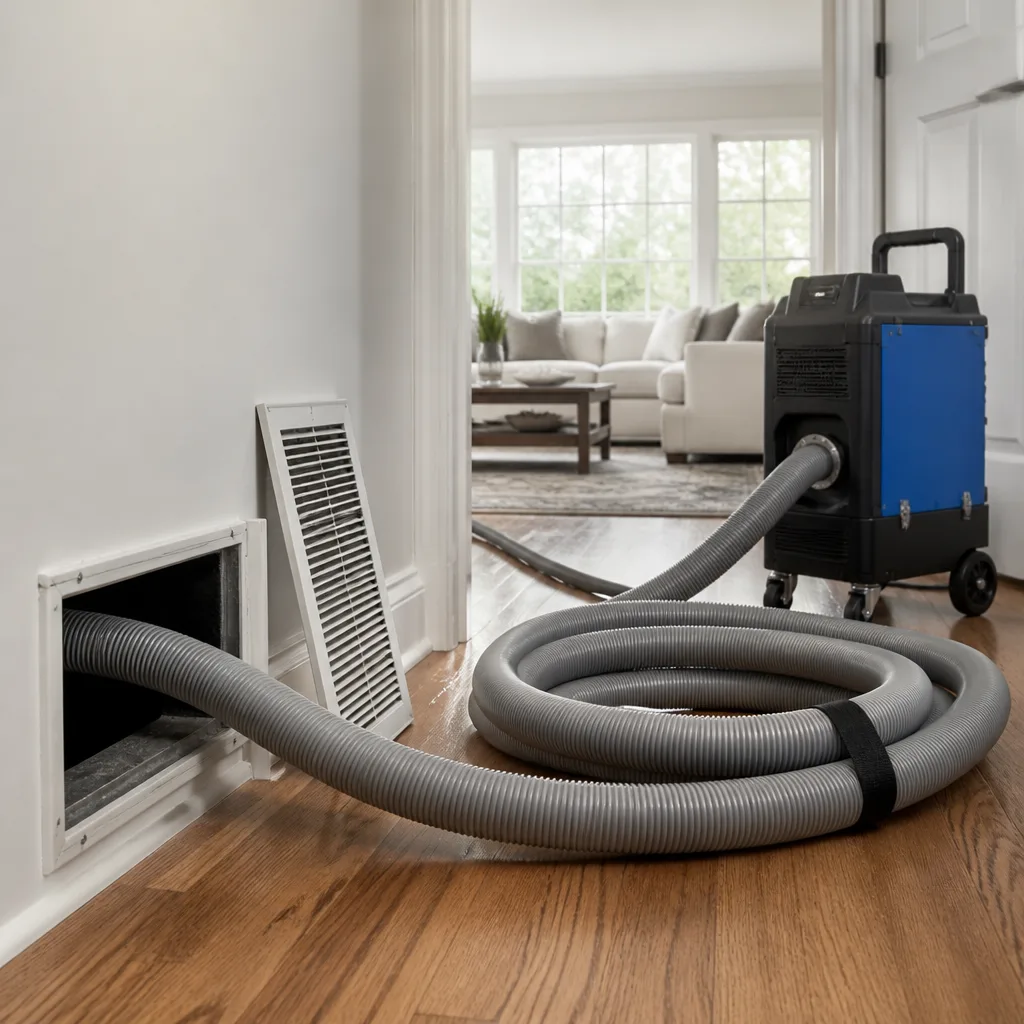 Whole-home duct cleaning
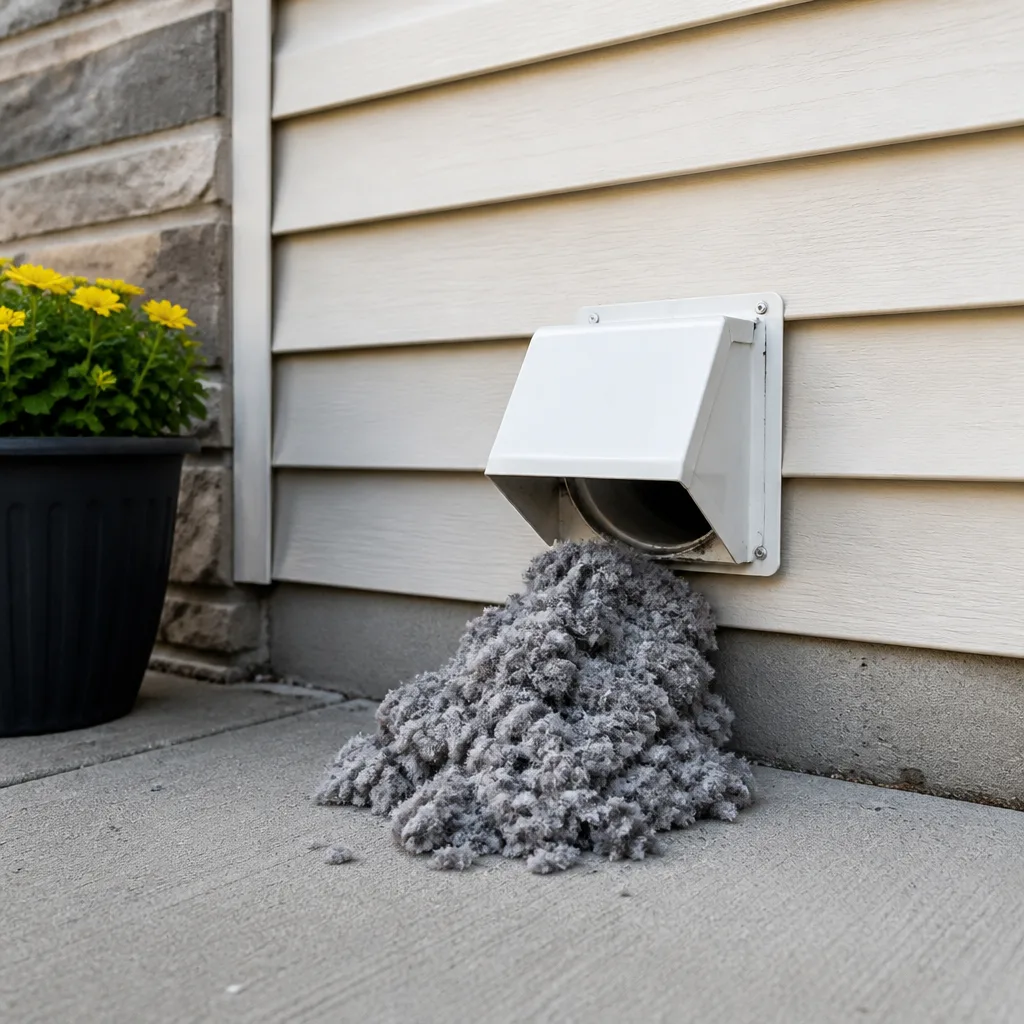 Dryer vent cleaning
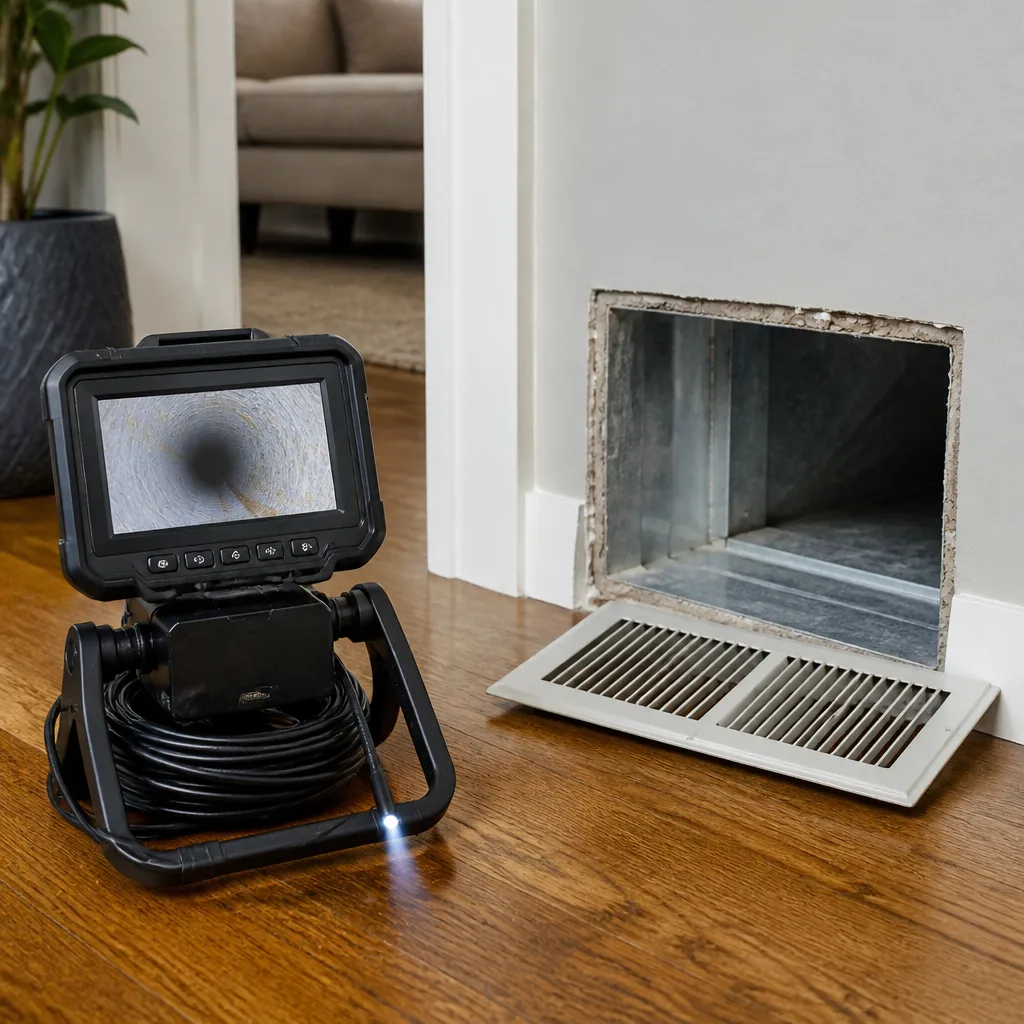 Camera inspection
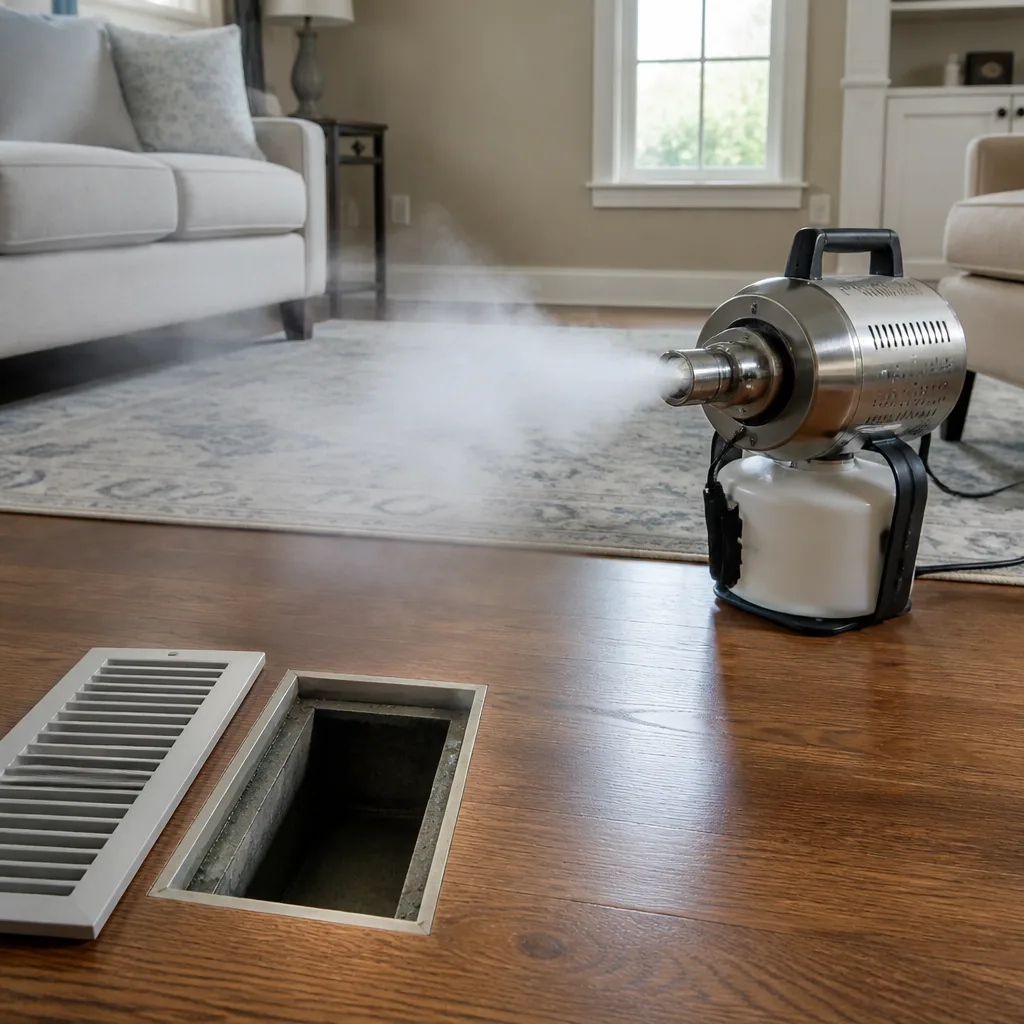 Sanitizing & deodorizing
Whole-system duct and dryer vent check with before-and-after photos - you see exactly what came out of your vents
That "$99 whole-house special" is a bait ad - the real number appears once they are in your hallway, or the "clean" is a shop-vac at the register. We photograph the inside of your ducts before and after instead.
How to Hire an Air Duct Cleaning Contractor in Hillsboro: A Step-by-Step Guide
The most common duct cleaning problem in Oregon doesn’t start with a fake invoice. It starts with real technicians running equipment that physically can’t clean what they promise to clean. A portable shop vacuum with a spinning whip attachment will knock some dust loose, but it can’t extract it, and it can’t contain it. The debris you paid to remove gets pushed back into the living space or settles deeper in the trunk line. By the time you notice, the crew is gone and the invoice is paid.
What follows is the guide we wish more Hillsboro homeowners had before they booked anyone: the equipment questions to ask, how to read a quote, what a legitimate walkthrough looks like, and what paperwork should exist before and after the job.
Quick Answer
Hire a Hillsboro air duct cleaning contractor by verifying three things: the vacuum is HEPA-rated and rated for the job (not a shop vac), the cleaning method uses rotary contact agitation combined with negative-pressure extraction, and the quote is a flat price per system agreed after an in-person inspection, not a per-vent figure quoted over the phone. Ask for the equipment brands, require a written scope, and expect before-and-after photos of your own ducts before you pay.
Styles & brands we work with
- Whole-home duct cleaning
- Dryer vent cleaning
- Camera inspection
- Sanitizing & deodorizing
Table of Contents
- Why Duct Cleaning Is a Different Job in Hillsboro
- The Equipment Questions to Ask Before You Book
- Why NADCA Membership Is a Floor, Not a Ceiling
- How to Read a Duct Cleaning Quote: Flat-Rate vs. Per-Vent
- What a Legitimate Pre-Job Walkthrough Looks Like
- Contract Language and Documentation to Require
- When Duct Repair Belongs on the Same Visit
- How to Verify the Work After the Job Is Done
Why Duct Cleaning Is a Different Job in Hillsboro
Hillsboro sits in the Tualatin Valley, and the valley does specific things to ductwork. Winter air holds moisture here longer than it does east of the Cascades, and that moisture finds its way into unconditioned duct runs in crawlspaces and attics. When it condenses on galvanized metal, dust sticks to it instead of blowing through. That sticky layer is why so many Hillsboro homes have ducts that look fine from the register but carry heavy debris further down the line.
The building stock matters too. Parts of Hillsboro are full of homes from the 1960s through the 1990s, and many of those used rigid sheet-metal trunk lines with flexible branch runs added later. Those retrofits create joints where flex duct meets metal, and those joints are exactly where debris collects and where leaks begin. Newer construction around the south and west sides often uses longer flex runs with more bends, which cuts airflow and gives dust more places to settle.
Pollen season compounds it. The valley grows a lot of grass seed and orchard crops, and spring pollen loads here are heavy enough that return-side filters load up fast. A filter that loads fast is doing its job – but it also means more particulate is circulating through the system overall, and some of it ends up in the ducts rather than on the filter.
None of this means every Hillsboro home needs cleaning right now. It means the inspection has to look at the actual system in front of the contractor, not a generic checklist. A contractor who quotes you without looking at your return plenum and your crawlspace runs isn’t inspecting anything.
The Equipment Questions to Ask Before You Book
This is the section that separates a real contractor from a van with a hose. Ask these questions on the phone, before anyone comes out. A competent contractor will answer them in plain language. Someone running entry-level gear will get vague, deflect, or promise that “the machine doesn’t matter.”
- What vacuum are you running, and is it HEPA-rated? A true HEPA extraction unit captures particles at 0.3 microns. Listen for brand names. Nikro HEPA vacuum extraction is the standard we and other serious contractors use. If the answer is “a big shop vac” or “a portable unit from the hardware store,” that’s a shop vacuum with extra hose, and it will not capture fine particulate.
- What is the brush system? Rotary contact cleaning – a spinning brush head that physically contacts the duct wall – is what dislodges adhered debris. A whip or air-only system relies on turbulence, which leaves the boundary layer of dust on the metal. Rotobrush is the rotary contact system we run; ask any contractor which system they use and why.
- How do you contain the work area? Look for the word containment, not just “we cover the floor.” Abatement Technologies air scrubbing and containment equipment is the same category of gear used in remediation work. It keeps loosened debris from migrating into the living space while the job is running.
- Do you run negative pressure on the system during cleaning? Negative pressure means air flows into the ducts, not out of them. Without it, agitation just aerosolizes dust into your rooms.
- What is the vacuum’s actual airflow rating? Not the tank size, the CFM. A machine that can’t move enough air volume won’t pull debris out of a long trunk run, no matter how good the brush is.
- Are you cleaning both supply and return sides? Return ducts are usually dirtier than supply ducts because that’s where unfiltered air enters. A quote that only covers supply registers is a partial job.
- Do you handle duct repair in-house? If the inspection turns up a crushed flex run or a disconnected joint, you want that fixed on the same visit. Otherwise you’re scheduling a second contractor for a problem the first one just documented.
Write the answers down. A contractor who gives you specific brand names and ratings is telling you something about how they work. So is one who won’t.
Why NADCA Membership Is a Floor, Not a Ceiling
NADCA – the National Air Duct Cleaners Association – publishes the industry standard for how source removal should be performed. Membership in the association is a reasonable minimum screen. It signals that a company has at least engaged with the standard. It is not, by itself, proof of a good job.
Here’s why. Membership doesn’t tell you what equipment a company runs, how it prices, whether it inspects before quoting, or whether the technicians doing the work have real time on the tools. A contractor can hold a membership and still show up with a portable unit and a coupon price. The logo on the side of the van doesn’t clean anything.
What matters beyond the logo:
- Technician tenure. Our technicians have up to 9 years of experience. Ask any contractor how long the people actually doing the work have been doing it. Crew turnover is high in this trade, and a company with a rotating roster can’t develop judgment about what a dirty system looks like versus a compromised one.
- Written procedure. A contractor following a real standard can describe the sequence: containment, negative pressure, contact cleaning, HEPA extraction, verification. If the explanation is “we blow it out and vacuum it,” the standard isn’t being followed.
- Repair capability. Cleaning a system with a disconnected joint and leaving the joint disconnected is worse than not cleaning it. Look for a contractor who repairs what they find.
- Filtration knowledge. Familiarity with brands like Aprilaire and Honeywell tells you the contractor can advise on filter upgrades after cleaning, which is often the change that keeps ducts cleaner longer.
- Willingness to say no. A contractor who inspects your system and tells you it doesn’t need cleaning yet is showing you the standard in action.
Use NADCA membership as a filter for who gets to the next round. Then ask the equipment and process questions from the section above. The answers are what tell you whether the membership means anything.
How to Read a Duct Cleaning Quote: Flat-Rate vs. Per-Vent
A per-vent price is the most reliable early warning sign in this trade. It sounds transparent – you count your registers, you multiply, you know the price. In practice, per-vent pricing quotes a number before anyone has looked at your system, which means the number can’t reflect what’s actually there. When the technician arrives and finds heavy debris, an unusually long trunk run, or a system that needs more time than the quote allowed for, the price moves. That’s how a low quote becomes a large invoice.
What to look for instead: a flat price per system, agreed after an in-person inspection and confirmed in writing before work starts. That structure forces the inspection to happen first. It also means the price you agree to is the price you pay, whether the job turns out to be routine or heavy.
When you compare quotes from Hillsboro contractors, hold them against these markers:
- Inspection before quote. The contractor looks at the furnace or air handler, the return plenum, accessible duct runs, and register condition before naming a price.
- One price for the whole system. Not a base price plus per-vent plus per-system charges added on site.
- Scope in writing. Which components are covered – supply, return, plenum, registers, air handler cabinet if reachable – and which are not.
- Repair priced separately but disclosed up front. If the inspection finds a problem, you hear about it before work begins, with a number, not after.
- No teaser number. A quote that leads with an unusually low figure and explains why it’s low somewhere in the fine print is a marketing number, not an estimate.
Ask every contractor the same question: is this a flat price for the whole system, and does it hold if the job turns out heavier than expected? The ones who answer yes without hedging are the ones to keep in the running.
What a Legitimate Pre-Job Walkthrough Looks Like
The walkthrough is where you can tell, in about fifteen minutes, whether you’re dealing with a professional. A contractor who skips straight to the clipboard and starts listing add-ons is showing you the sales model. A contractor who inspects first is showing you the work model.
A real pre-job walkthrough follows a sequence:
- System identification. The technician locates the air handler, identifies the system type, and confirms which ducts are supply and which are return.
- Register and vent check. Each register gets looked at, not just counted. Condition of the boot, gaps around the trim, visible debris, airflow at the face.
- Accessible duct inspection. Where runs are visible – attic, crawlspace, basement – the technician looks at the duct material, joint condition, and whether any section is crushed, disconnected, or sitting in water.
- Filter and air handler inspection. Filter condition, filter fit, and whether the cabinet is sealed. A filter that’s bypassing its frame is a sign the system has been drawing unfiltered air.
- Findings review before any work. You hear what was found, including any repair issues, before the price is confirmed and before anything is cleaned.
- Written estimate. The number you agree to, in writing, with the scope attached.
Notice what’s not on that list: a coupon pitch, an upsell to a yearly maintenance package, or a filter sale in the first five minutes. Those come after a need is identified, if at all.
Contract Language and Documentation to Require
Get the scope in writing before the crew starts, and get the results in writing before you pay. This is not excessive for a residential job. It’s the difference between knowing what you bought and hoping you got it.
Before work begins, your documentation should include:
- The flat price, stated as a single number for the whole system.
- The scope: supply, return, plenum, registers, air handler, and anything excluded.
- The equipment to be used, by name or at least by type.
- Any repair work identified during inspection, priced separately and approved by you.
- Payment terms, in plain language.
After work is done, ask for a verification report. At minimum it should contain:
- Before-and-after photographs of your own ducts at accessible points – not stock photos from a brochure.
- A summary of what was cleaned, section by section.
- Any repairs made, with photos.
- Any recommended follow-up, with the reason for the recommendation.
- Observed airflow notes or measured readings if the contractor took them.
Airflow you can measure is the point. The results you should be able to verify are unglamorous: less musty smell at the registers, more consistent airflow at the far end of the house, longer filter life, less dust settling on horizontal surfaces. A contractor confident in their work will show you evidence of these outcomes rather than telling you to trust them.
When Duct Repair Belongs on the Same Visit
Cleaning and repair belong together. A duct system with a disconnected joint, a crushed flex run, or a boot that’s separated from the register will not stay clean no matter how well it’s cleaned. Unconditioned air and debris come straight back in. If the inspection turns up damage, fixing it on the same visit is the only version of the job that makes sense.
The alternative – cleaning now, “you’ll want to have that looked at” – leaves you scheduling a second contractor, waiting, and paying another visit charge. It also means the cleaning you paid for degrades in the meantime.
What counts as repair worth handling on the spot:
- Flex runs that have collapsed or crushed where they pass through framing.
- Joints where the inner liner has separated from the outer sleeve.
- Boots that have pulled away from the register opening, leaking into the wall cavity.
- Runs that have come loose from the trunk takeoff.
- Sections sitting in crawlspace moisture with deteriorated insulation.
A contractor offering repair as a standalone service – not a referral, not a subcontractor – is worth keeping. It means the crew doing the cleaning can evaluate what they find and fix it before the visit ends.
How to Verify the Work After the Job Is Done
The work should be verifiable in the first hour and the first month. Here’s how to check, in order:
- Look at the photos while the crew is still there. Before-and-after shots of your own ducts at the points they accessed. If the “before” shots look generic, ask questions.
- Check the floor and register surrounds. A contained job leaves minimal dust outside the containment. A sloppy job leaves a fine layer on nearby surfaces and a musty smell that lingers past the afternoon.
- Feel the airflow at the far registers. The register furthest from the air handler is the toughest part of the system. Airflow there should feel at least as strong as before, ideally stronger.
- Watch the filter over the next few weeks. A filter that loads up faster than usual right after cleaning can be catching debris the cleaning loosened further downstream. A filter that loads slower is a good sign the system is running cleaner.
- Check the smell. Musty odor at a register should reduce noticeably. If it doesn’t, that’s worth a call back to the contractor.
- Review the report against the scope. Everything on the scope should be on the report, with evidence.
Duct cleaning isn’t a once-and-done forever job, either. In Hillsboro, homes with pets, recent renovation dust, or long filter-change gaps tend to need attention again sooner than homes without those factors. The inspection tells you, not the calendar.
Common Mistakes to Avoid
- Booking on price alone. The cheapest per-vent quote in the Portland metro typically inverts once the technician is on site. You’ll usually spend more than you would have with an honest flat-rate contractor, and you’ll have less confidence in the result.
- Accepting a phone quote. A contractor who quotes without inspecting your system is quoting an average, not your system. In a valley with as much housing-stock variety as Hillsboro has, that average can be off by a lot in both directions.
- Not asking about the vacuum. If you don’t ask whether the unit is HEPA-rated, you may get a shop-vac setup that recirculates fine dust into your living space while the crew works. Ask.
- Skipping the return side. Return ducts carry the dirtiest air in the system. Confirm the quote covers return ducts and the plenum, not just the supply registers you can see.
- Paying before you see the photos. Before-and-after images of your own ducts are the most basic verification available. A contractor who can’t produce them hasn’t finished the job.
- Letting a repair issue slide. A disconnected joint discovered during inspection that isn’t fixed means the cleaning you paid for degrades within weeks. Fix it on the visit or plan for another one.
- Believing a coupon code is a serious quote. A teaser price is designed to get a technician in the door. The real price is what’s agreed after the inspection – get that in writing before work starts.
See the difference
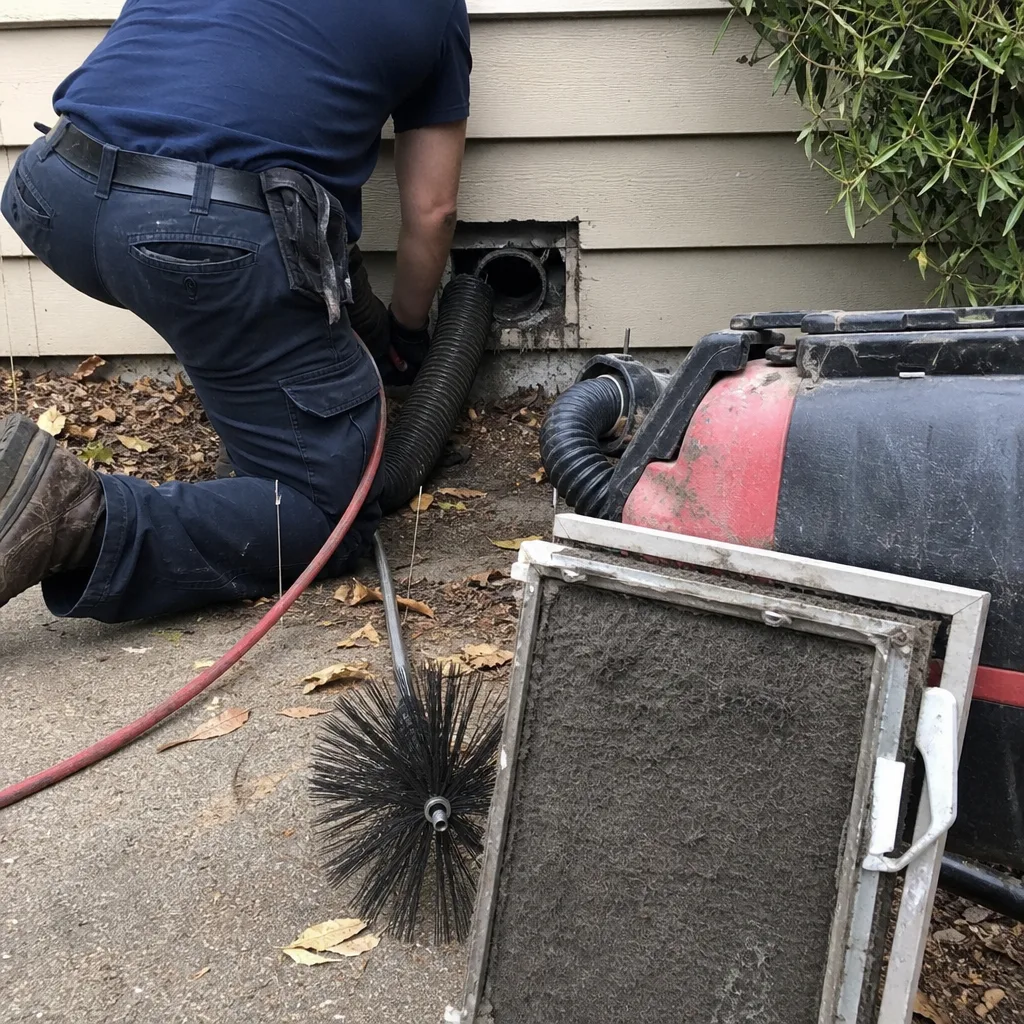 Before
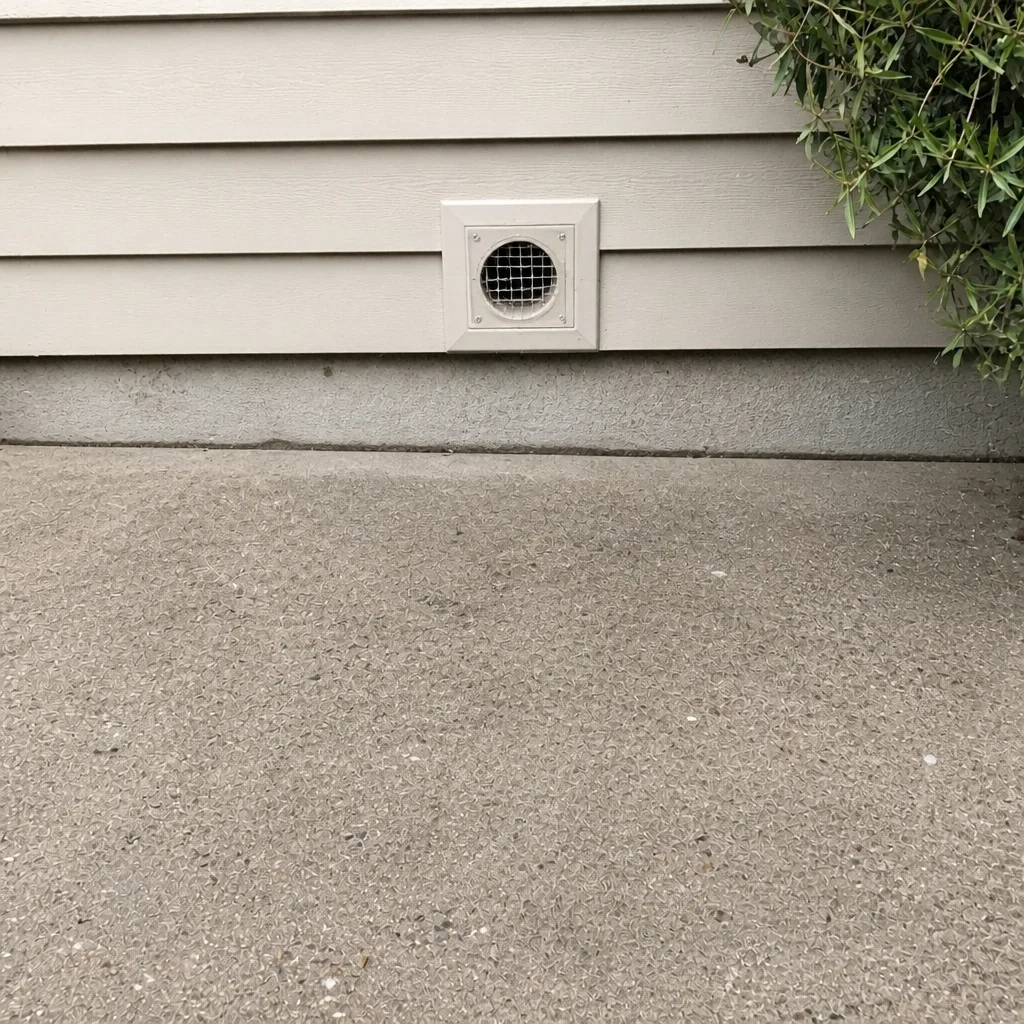 After
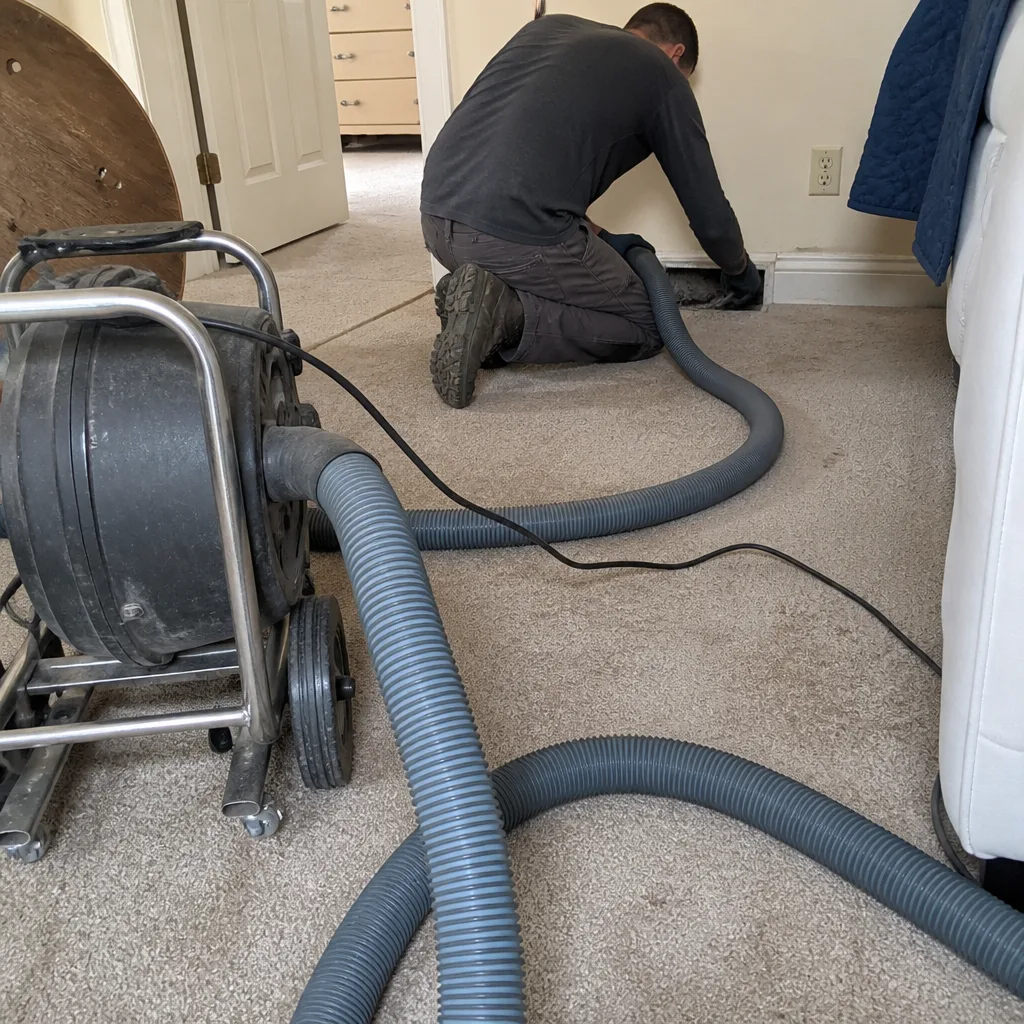 Before
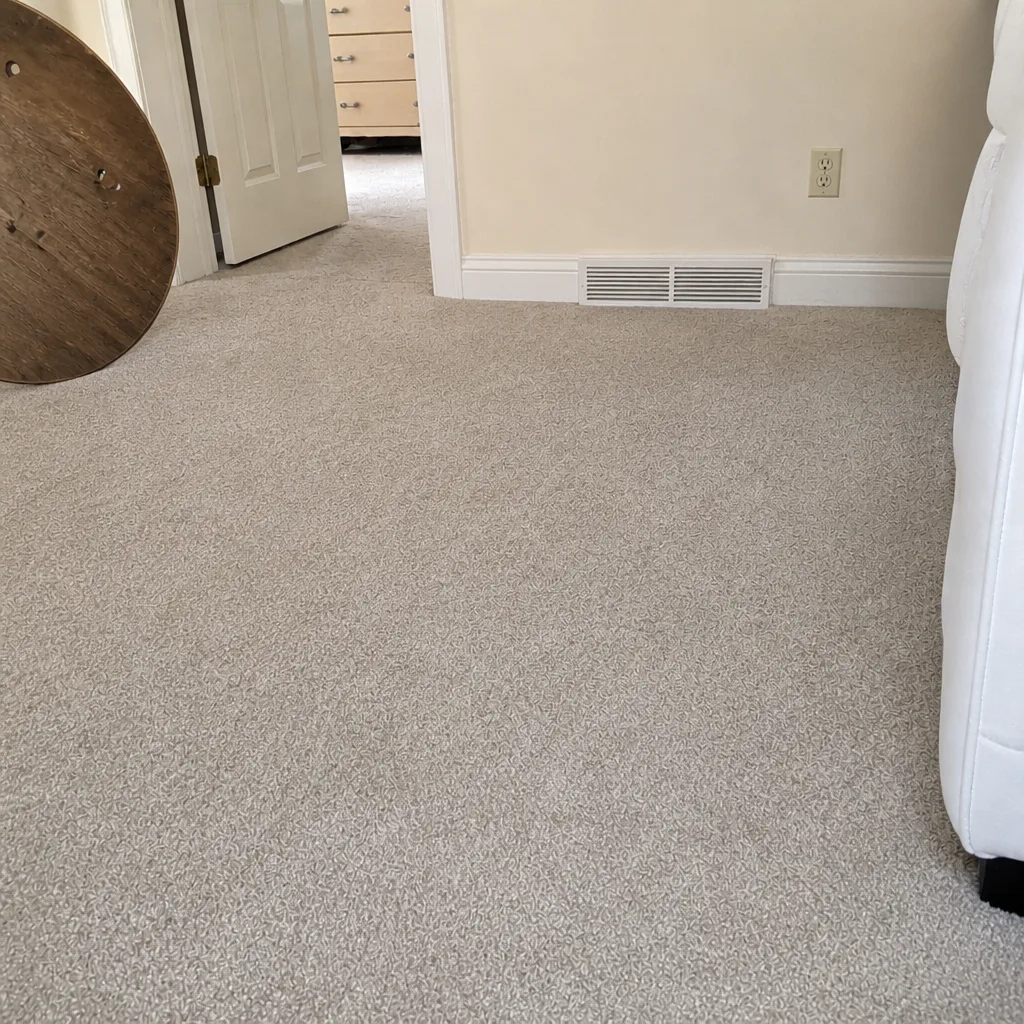 After
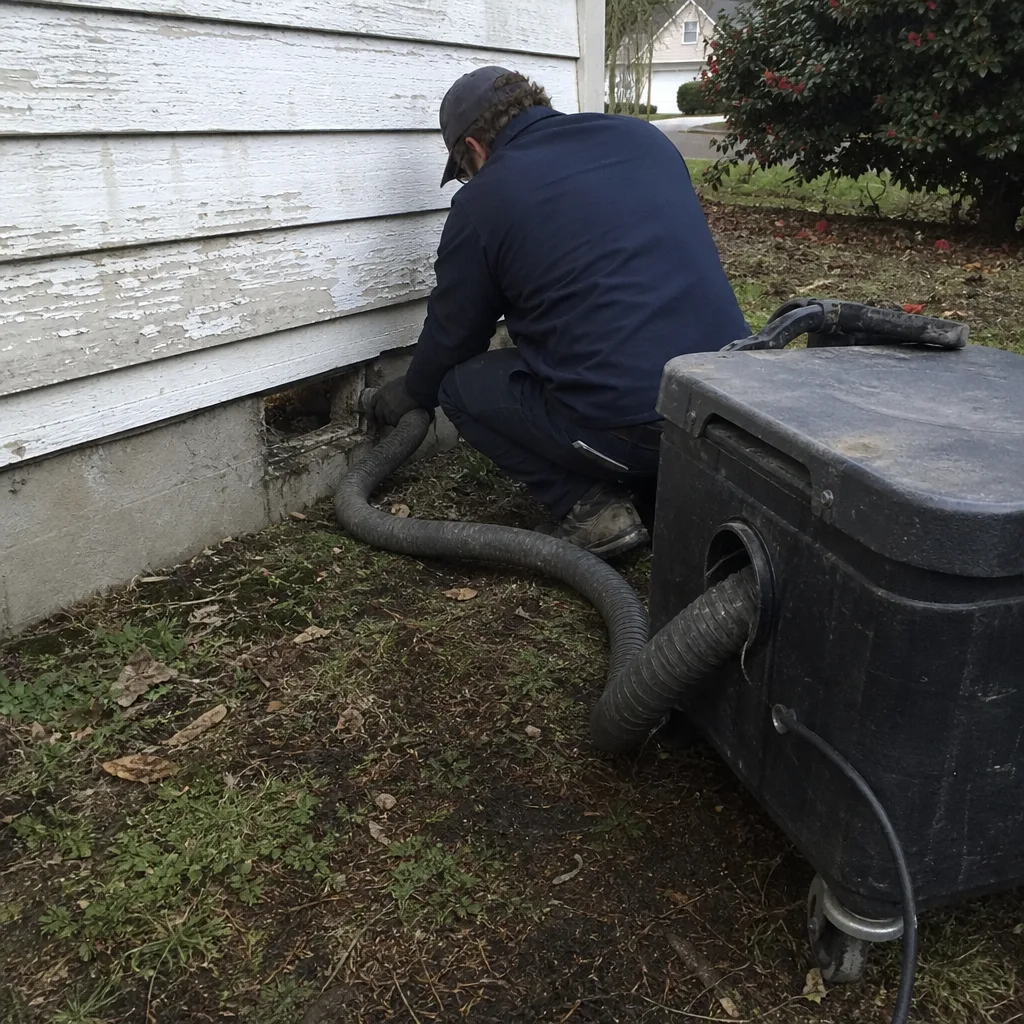 Before
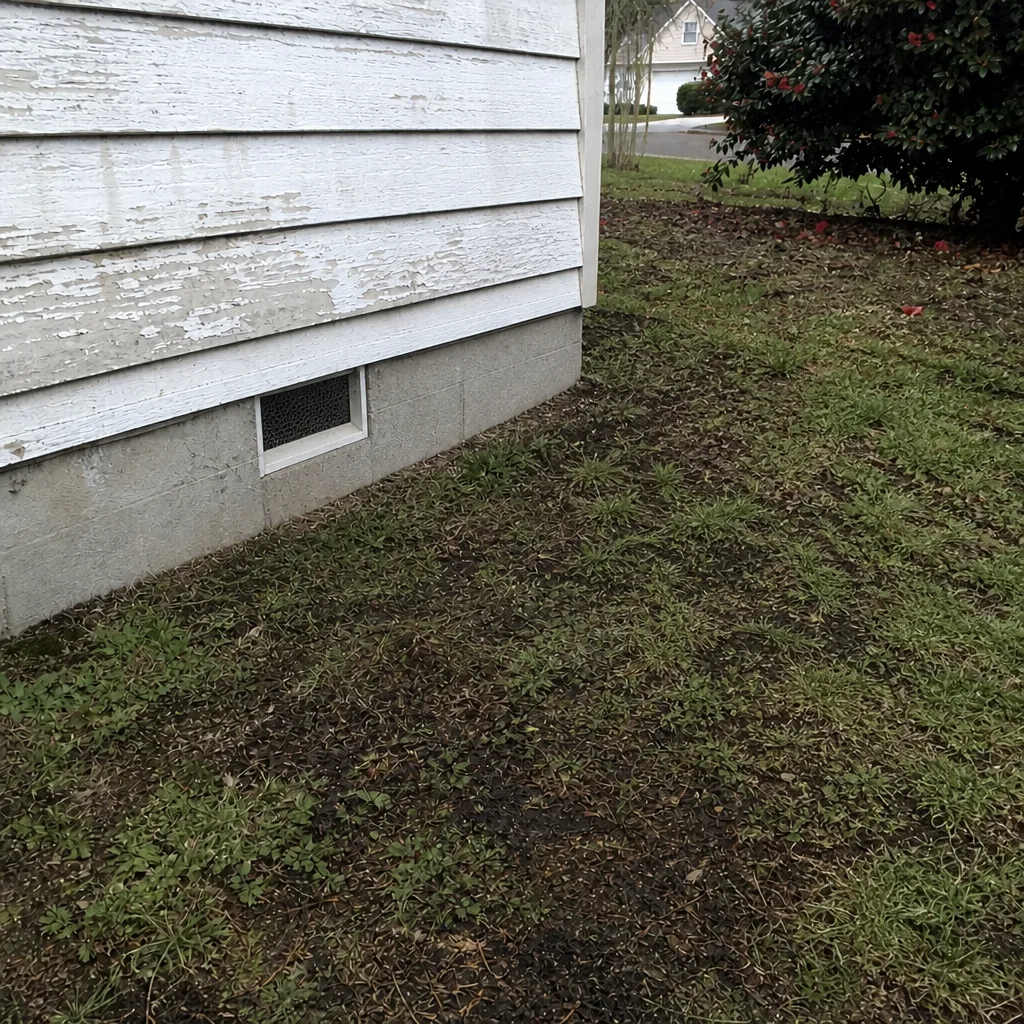 After
When to Call a Professional
Some duct conditions are worth scheduling an inspection for without waiting. Persistent musty odor at multiple registers is one. Visible dust plumes when the system kicks on is another. Allergy-type symptoms that get worse indoors and better outside are worth looking into. Recent renovation work – drywall dust and sawdust are brutal on ducts and on the air handler. A house with an unknown service history, especially if you’ve just moved in, is worth an inspection to establish a baseline. Visible damage to accessible duct runs, or airflow that’s noticeably inconsistent between rooms, is worth a repair evaluation even if cleaning isn’t on the table.
Duct Cleaning Hillsboro offers free estimates in Hillsboro. Call (866) 810-7564. We answer 24/7. Fast dispatch from 7am to 7pm, Sunday through Friday.
Frequently Asked Questions
Most Hillsboro duct cleaning jobs fall in a typical range based on system size and accessibility, but the honest answer is that the price depends on what the inspection finds. What matters more than the number is the structure: a flat price per system, agreed after an in-person inspection, with the scope in writing. Per-vent quotes and low teaser figures are the ones that grow on site. Call (866) 810-7564 for an exact quote – estimates are free.
Cheap quotes usually reflect cheaper equipment and a narrower scope, not a better deal. A contractor running a portable shop vacuum and cleaning only the supply registers has a much lower cost basis than one running rotary contact equipment with HEPA extraction and full-system coverage. The low number also leaves room for on-site additions once the technician arrives. A flat-rate quote for the whole system is the comparison that actually tells you something. Call (866) 810-7564 for a free estimate based on your actual system.
Ask for before-and-after photos of your own ducts before you pay anything. Photos of the actual duct interiors at the points the crew accessed are the baseline verification. Ask for a written report listing what was cleaned, any repairs made, and any recommended follow-up. Then check airflow at the farthest register and watch your filter over the next few weeks. Call (866) 810-7564 to schedule an inspection and see the process in person.
There’s no fixed annual interval – it depends on the home. Pets, recent renovation, long gaps between filter changes, smoking indoors, and a house that’s been closed up for long stretches all shorten the interval. Homes in Hillsboro with heavy spring pollen exposure and older flex duct runs often need attention more often than homes without those factors. The right time is when inspection shows accumulated debris or a compromised section, not when a marketing postcard arrives. Call (866) 810-7564 for a free inspection and estimate.
It can help, but the mechanism is specific: removing accumulated debris from the duct system reduces the reservoir of particulate that can be stirred up every time the system runs. It doesn’t eliminate pollen from the indoor air, and it’s not a substitute for filtration. What we typically recommend is cleaning followed by a look at your filter setup – brands like Aprilaire and Honeywell offer filtration upgrades that keep the system cleaner afterward. Call (866) 810-7564 to talk through what makes sense for your home.
Yes – duct repair is a standalone service we offer, and it can be handled on the same visit as the cleaning. Compromised sections (collapsed flex runs, separated joints, boots pulled away from the register) get identified during the walkthrough, priced, and approved before work starts. Cleaning a system with a known break and leaving the break in place doesn’t accomplish much. We repair what we find. Call (866) 810-7564 for a free estimate.
The Bottom Line
The barrier to entry in duct cleaning is low enough that equipment and process are the only real signals of a serious contractor. Ask about the vacuum (HEPA-rated, with a real airflow rating), the brush system (rotary contact, not air-only), and containment (Abatement Technologies-grade, not a drop cloth). Use NADCA membership as a minimum screen, not a finish line. Insist on a flat price per system agreed after an inspection and confirmed in writing. Get before-and-after photos of your own ducts before you pay.
If you want those standards applied to your system, we’re ready to inspect. Duct Cleaning Hillsboro handles air duct cleaning and dryer vent cleaning across the Hillsboro area with professional Rotobrush contact cleaning, Nikro HEPA extraction, and full repair capability under one roof. Call (866) 810-7564 for a free estimate. We answer 24/7. Fast dispatch from 7am to 7pm, Sunday through Friday.
Written by the team at Duct Cleaning Hillsboro.