
Last updated November 14, 2026
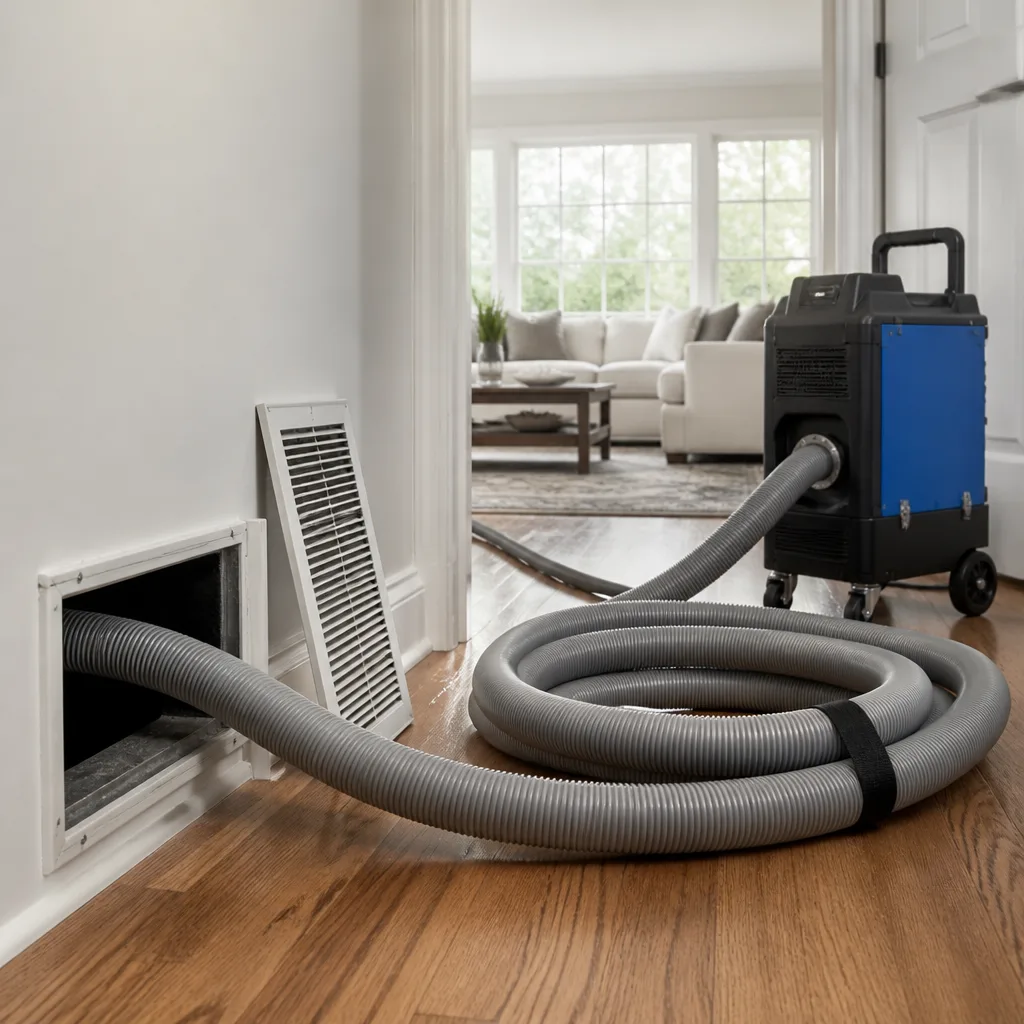 Whole-home duct cleaning
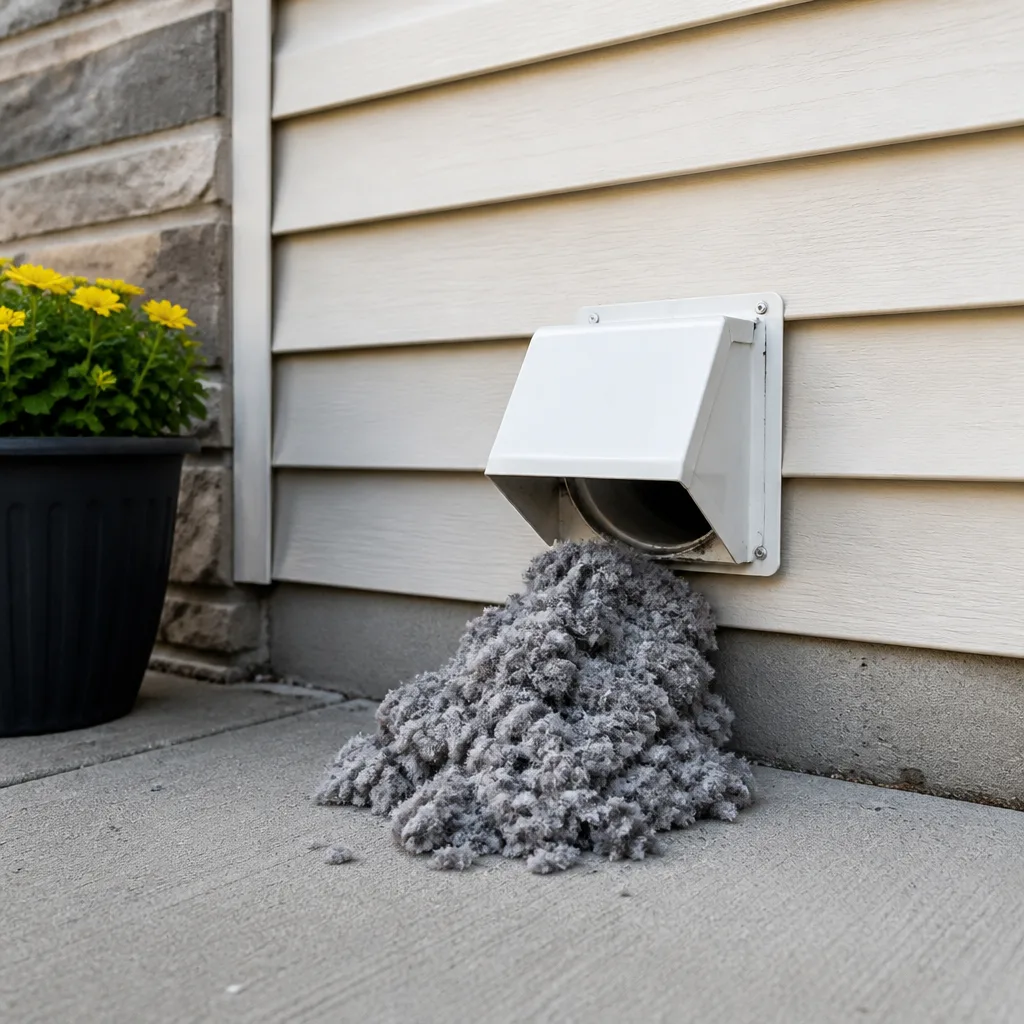 Dryer vent cleaning
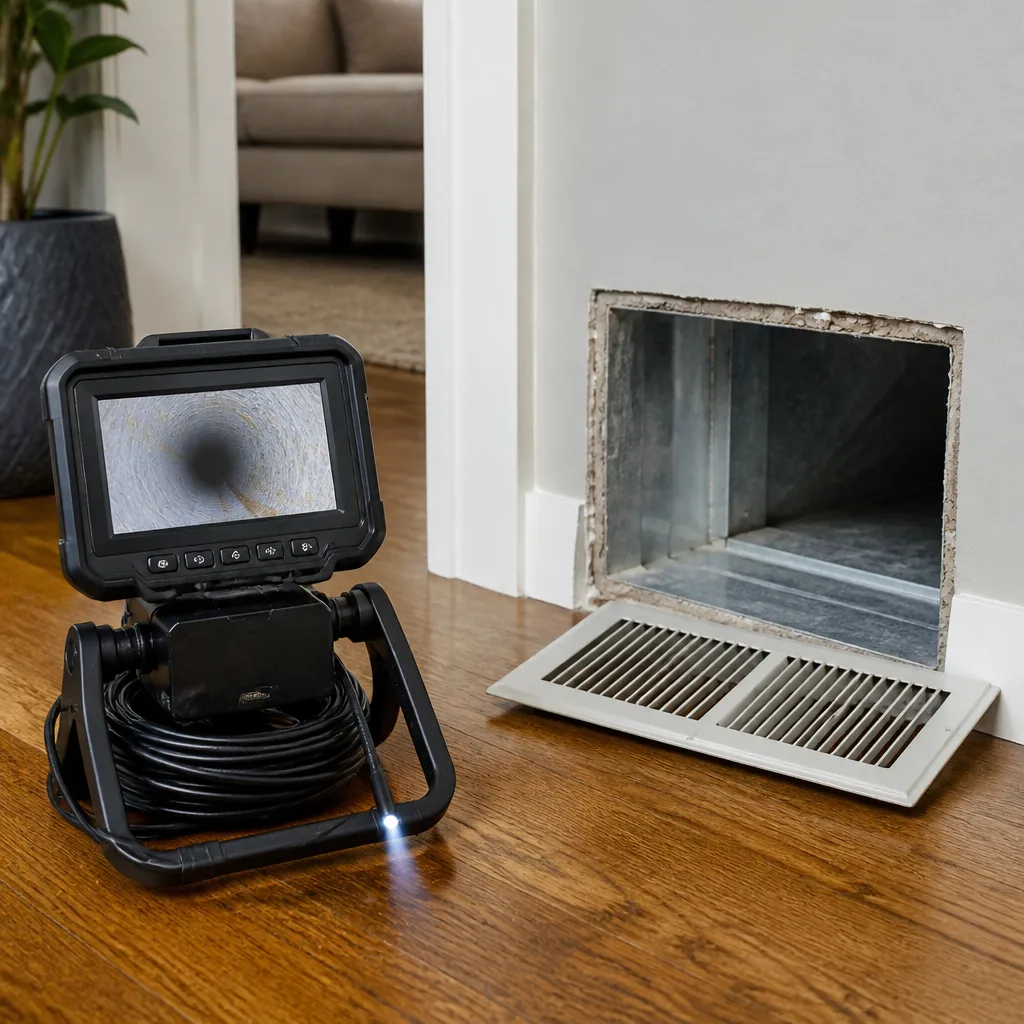 Camera inspection
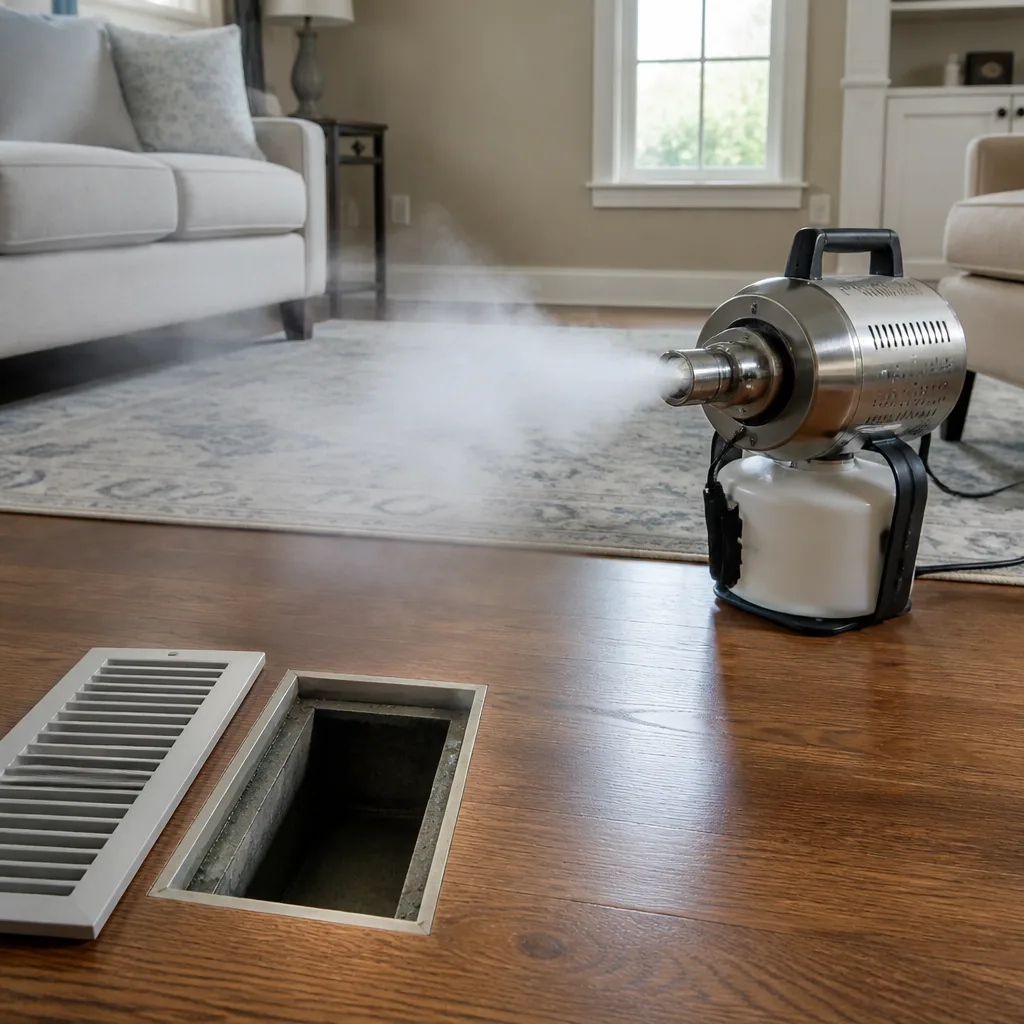 Sanitizing & deodorizing
Whole-system duct and dryer vent check with before-and-after photos - you see exactly what came out of your vents
That "$99 whole-house special" is a bait ad - the real number appears once they are in your hallway, or the "clean" is a shop-vac at the register. We photograph the inside of your ducts before and after instead.
Seasonal Air Duct Cleaning Care for Hillsboro: Year-Round Homeowner’s Guide
Timing a duct cleaning for “sometime in spring” misses the point. In Hillsboro, a late-August cleaning, done before the first furnace run of fall, eliminates the single highest-risk indoor air event of the year. Here’s why that matters: your duct system doesn’t collect debris at a steady rate. It collects in bursts, driven by the seasons, and each season in the Tualatin Valley loads your ducts differently. This guide maps specific care actions to each of Hillsboro’s four duct stress periods, so you can stop guessing at calendar dates and start reading what your system is actually telling you.
Quick Answer
Air ducts in Hillsboro need attention at four distinct points in the year, not one generic annual cleaning: a pre-heating-season cleaning in late summer or early fall, a condensation check on crawlspace ducts in winter, a return-air inspection after spring pollen peaks, and a smoke-particulate assessment after wildfire season. The best single date for most Hillsboro homes is late August to early September, before the first furnace ignition burns off accumulated summer debris into your living space. If your ducts haven’t been serviced in several years, or you notice musty odors or inconsistent airflow, the seasonal calendar is a starting point, not a substitute for an inspection.
Styles & brands we work with
- Whole-home duct cleaning
- Dryer vent cleaning
- Camera inspection
- Sanitizing & deodorizing
Table of Contents
- Why Hillsboro’s Climate Sets the Duct Cleaning Calendar
- Fall: The First Furnace Run and What Precedes It
- Winter: Wet Weather and Condensation in Crawlspace Ducts
- Spring: Tualatin Valley Pollen and Return-Air Infiltration
- Summer: Wildfire Smoke and Fine Particulate Loading
- How to Read Your Utility Bills and Airflow, Not Just the Calendar
- What a Professional Seasonal Cleaning Actually Involves
- Building a Year-Round Maintenance Schedule
Why Hillsboro’s Climate Sets the Duct Cleaning Calendar
Hillsboro sits in the northern Willamette Valley, which means wet winters, a pronounced spring pollen window, and increasingly smoky summers. Those three facts drive everything about how duct debris accumulates here, and they explain why a homeowner in Hillsboro is facing a different set of problems than a homeowner in a dry climate or a place with a long, hard freeze.
The wet season loads your ducts with moisture and whatever that moisture carries. The dry season loads them with particulate. The transitions between the two are when the load becomes a problem, because that’s when the system changes how it moves air.
Most duct cleaning advice treats the year as a blank slate. We don’t. In our experience servicing Hillsboro homes, the specific window when a cleaning is done matters as much as whether it’s done, and there are four windows that count:
- Late summer into early fall: before the first heating run, when summer debris is sitting in the ducts and the furnace is about to push it into rooms.
- Winter: sustained wet weather raises condensation risk, especially in unconditioned crawlspace runs.
- Spring: tree and grass pollen peaks in the Tualatin Valley and enters through return-air paths.
- Summer: Oregon wildfire smoke events load duct interiors with fine particulate that standard filters don’t catch.
Each window calls for a different action. Some are full cleanings. Some are inspections, filter changes, or repair work on compromised duct sections. Understanding which is which is the whole point of this guide.
Fall: The First Furnace Run and What Precedes It
If you do one thing this year, do it before the first meaningful furnace run of the fall. Here’s why: through summer, your duct system has been collecting dust, pollen, and smoke particulate, and the air handler has been moving conditioned air without the heat exchanger cycling hard. The moment the heating season begins in earnest, the furnace pushes warm air through ducts that have been sitting relatively idle, and all that accumulated material becomes airborne in your living space within the first few hours of operation.
A late-August or early-September cleaning removes that material before it gets cycled into rooms. That’s the highest-value timing of the year, and it’s the recommendation we make most often to Hillsboro homeowners who ask when to schedule.
What a pre-heating-season service should cover:
- Inspection first. Check the return-air side, supply runs, and any accessible junctions for visible debris, rodent activity, or disconnected sections.
- Contact cleaning. We use the Rotobrush rotary contact-cleaning system to physically agitate debris from duct walls, not just blow it loose.
- HEPA extraction. Nikro HEPA-rated vacuum extraction captures what the rotary tool loosens, so debris doesn’t recirculate into the home during the job.
- Repair what we find. If a duct section is compromised, we fix it on the same visit rather than leaving it to be called back about later.
- Verification. Airflow and filter life observed before and after, so you know the work changed something measurable.
The furnace itself is not something we service, but we can tell you when a duct problem is masquerading as a heating problem. Restricted airflow from loaded ducts forces the system to work harder, and a homeowner may read that as a failing furnace when the ducts are the actual issue.
Winter: Wet Weather and Condensation in Crawlspace Ducts
Hillsboro’s winters are wet, not especially cold, and that combination creates a specific risk for homes with ductwork in unconditioned crawlspaces or attics. When ducts run through unconditioned space during sustained wet weather, the temperature differential between the duct interior and the surrounding air can drive condensation on the exterior of the duct, and in poorly sealed or uninsulated runs, moisture can find its way into the duct interior itself.
That moisture does two things. It feeds biological growth inside the duct, and it degrades the duct material over time, particularly flex duct and older mastic-sealed joints. A duct that was clean in October can develop a musty odor by January in a Hillsboro home with uninsulated crawlspace runs.
What to watch for in winter:
- Musty or damp odors when the system first kicks on in the morning.
- Visible condensation, staining, or sagging on accessible crawlspace or attic duct runs.
- Duct sections that have pulled apart at joints, which is common when flex duct sags under moisture weight.
- Any duct runs that pass through unconditioned space without insulation or a vapor barrier.
Winter isn’t usually a full-cleaning season for Hillsboro homes unless the previous cleaning was overdue, but it is a repair season. A pulled joint or a sagging run lets unconditioned air into the system and should be fixed before spring. Duct repair is a standalone service we offer, so a compromised section gets addressed on the same visit as the inspection rather than referred to another contractor.
If your system has a humidifier, winter is also the season it does its heaviest work, and a dirty duct system makes a humidifier less effective and harder to control. Aprilaire system familiarity means we can advise on filtration and humidity-control upgrades after cleaning, but the ducts need to be in good shape first.
Spring: Tualatin Valley Pollen and Return-Air Infiltration
Spring in the Tualatin Valley is a pollen event. Tree pollen comes first, then grass pollen peaks later in the season, and both enter your home through the return-air path before standard filters can stop them. Fine pollen particles are small enough that a residential filter catches some and lets the rest through, which means a meaningful load settles inside the duct system every spring.
The return-air side is where the action is. That’s the part of the system pulling air in from the home, and it’s where pollen, dust, and pet hair concentrate. If your return-air plenum or the return runs have visible buildup after a pollen season, the ducts are loaded and the next heating or cooling season will push that load into rooms.
Spring actions worth taking in Hillsboro:
- Check the return-air side first. Pull a return grille and look inside. Visible debris on the duct walls in a home that was clean the previous fall means pollen is the culprit.
- Replace the filter on schedule. A dirty filter during pollen season leaves the ducts carrying the load the filter couldn’t catch.
- Consider filtration upgrades at the source. After cleaning, we can advise on Honeywell or Aprilaire filtration options that match what your system can handle.
- Schedule cleaning in late spring, not mid-summer. Cleaning after pollen peaks but before wildfire season begins gets the ducts clean for the smoke window.
Spring is also when many homeowners first notice allergy symptoms indoors. Duct cleaning won’t fix allergies, but if pollen and dust are loading the return side and cycling back into rooms, reducing that load is a reasonable place to start.
Summer: Wildfire Smoke and Fine Particulate Loading
Oregon summers now come with smoke. Wildfire smoke events load duct interiors with fine particulate that bypasses standard residential filters, and when smoke sits over the Tualatin Valley for days or weeks, that particulate finds its way into HVAC systems through return-air paths and any loose duct joints.
The particulate is fine enough that a standard filter is not a complete answer. It settles inside the ductwork and on duct walls, and every time the system runs, a fraction of it re-enters the living space. That’s why summer in Hillsboro is a smoke-season duct problem, not just an outdoor-air problem.
What helps during and after smoke events:
- Keep the system running on fan circulation during smoke events if the system has adequate filtration. A filter can only trap what passes through it.
- Seal obvious leaks. Loose joints and disconnected runs pull smoke-laden air directly into the system. Duct repair addresses this at the source.
- Plan a post-season cleaning. Once smoke season passes, a cleaning removes what settled inside. That cleaning is best done before the fall heating season begins, which is exactly the late-August window above.
- Use containment-grade equipment when the job is done. For heavier loads, we bring Abatement Technologies air scrubbing and containment equipment into the workflow, so loosened particulate doesn’t redistribute through the home during the job.
If your ducts have never been cleaned and you’ve been through several smoke seasons, the load is heavier than it looks from the grille side. An inspection is the fastest way to know.
How to Read Your Utility Bills and Airflow, Not Just the Calendar
The calendar gives you a starting point; your system tells you when it actually needs work. Two signals in particular are worth watching, and neither requires any special tools.
Utility bills. A duct system that’s restricted, leaking, or loaded makes your air handler work harder to move the same amount of air. You won’t see a single dramatic jump. You’ll see the same usage pattern costing more, season over season, with no obvious cause. If your heating and cooling costs have crept up and your equipment is otherwise healthy, loaded or leaking ducts belong on the short list of explanations.
Airflow observations. Stand at a supply register and hold your hand up to the airflow. Notice how it feels. Now check a register on the opposite side of the house. In a balanced system, the difference should be modest. If one register feels noticeably weaker, or if a room never gets comfortable no matter how long the system runs, the cause is often a restricted or disconnected duct run rather than a failing system.
Other observations worth acting on:
- Visible dust blowing from registers when the system first starts.
- A musty or dusty smell that appears only when the system runs.
- Filter life that has shortened noticeably without a change in how the home is used.
- Any homeowner with a recent renovation, remodel, or pest activity in the crawlspace.
None of these signals automatically means a cleaning is due. They mean an inspection is worth the call, and an inspection tells you honestly whether the ducts are the issue.
What a Professional Seasonal Cleaning Actually Involves
Duct cleaning is the kind of service where the equipment matters more than most companies admit. A truck-mounted blower hose with no containment system can redistribute debris into the living space, and an entry-level tool can agitate the surface of the ducts without removing what’s inside them. Our process pairs two methods so both problems are addressed.
Here’s how a full cleaning works when we’re called to a Hillsboro home:
- Assessment. We inspect the duct system for contamination level, accessible junctions, and compromised sections. We also note what’s actually accessible and what isn’t, because no cleaning is complete on runs that can’t be reached.
- Contact cleaning. The Rotobrush rotary contact-cleaning system physically contacts the duct walls and breaks debris loose from the surface. This is the step that addresses the sticky, adhered material that a simple air-blow leaves behind.
- HEPA extraction. A Nikro HEPA vacuum pulls the loosened debris out of the system under containment. This is what prevents the recirculation problem, and it’s why a two-method process is the standard we work to rather than the exception.
- Repair. If a duct section is compromised, disconnected, or damaged, we repair it during the visit. Repair as a standalone service means a duct problem doesn’t have to wait for a separate appointment.
- Verification. Before-and-after observations of airflow and system performance so you can see the work produced a change.
For heavier contamination loads, containment-grade Abatement Technologies equipment keeps the jobsite controlled while the work is being done. It’s the same category of gear used in remediation work, brought to a residential cleaning.
Dryer vent cleaning is a separate, dedicated service, and it’s framed around safety rather than as an add-on. A blocked dryer vent is a fire risk, and airflow verification after cleaning tells you whether it’s clear. If your dryer is running longer than it used to, that vent deserves its own look.
Building a Year-Round Maintenance Schedule
What follows is a working schedule, not a rigid prescription. Home age, duct location, filtration, and how the home is used all shift the timing, and a house with pets, a recent remodel, or uninsulated crawlspace ducts will need more attention than a newer home with sealed, conditioned ductwork.
A practical year for most Hillsboro homes:
- Late August or early September: full duct cleaning, before the first heating run. This is the anchor date.
- October: replace filters after the first month of heating, so the system starts the wet season with clean filtration.
- January or February: inspect accessible crawlspace and attic duct runs for condensation, sagging, and pulled joints. Repair anything compromised.
- March through May: check the return-air side after pollen peaks. Replace filters on schedule. Consider filtration upgrades if the home is under-filtered.
- June through September: monitor smoke events. Keep the system running with adequate filtration during smoke periods, and plan any necessary cleaning before the fall window.
Nothing on this schedule is a substitute for a real inspection when your system is telling you something is wrong. A homeowner who’s noticed musty odors or weak airflow shouldn’t wait for the calendar.
How often does duct cleaning really need doing in Hillsboro?
For most Hillsboro homes, every three to five years is a reasonable interval, with a full cleaning anchored to the late-summer window. Homes with pets, recent remodels, heavy smoke exposure, or uninsulated crawlspace ducts often need it sooner.
Common Mistakes to Avoid
- Scheduling “sometime in spring” as a default. Hillsboro’s highest-value window is late summer, before the first furnace run. Spring cleaning leaves the ducts loaded through the smoke season and then into heating season.
- Choosing a cleaning based on the lowest phone quote. A low teaser price often becomes a much larger invoice once the technician is on site. Insist on a flat price per system agreed before work starts, and ask what equipment will be used.
- Assuming the filter is doing the whole job. Standard residential filters catch some particulate, not all of it. Summer smoke and spring pollen both load duct interiors in Hillsboro regardless of filter quality.
- Skipping the crawlspace. Duct runs in unconditioned crawlspaces are where Hillsboro’s winter problems live. A cleaning that doesn’t inspect them isn’t a complete service.
- Treating duct repair as a separate contractor problem. A disconnected or damaged section undermines any cleaning. Repair should be part of the same visit.
- Assuming the work was done because the truck was there. Before-and-after photos of your own ducts tell you what happened. Ask for them.
- Ignoring the dryer vent for years. A blocked dryer vent is a fire risk, not a maintenance annoyance. It deserves its own service interval.
See the difference
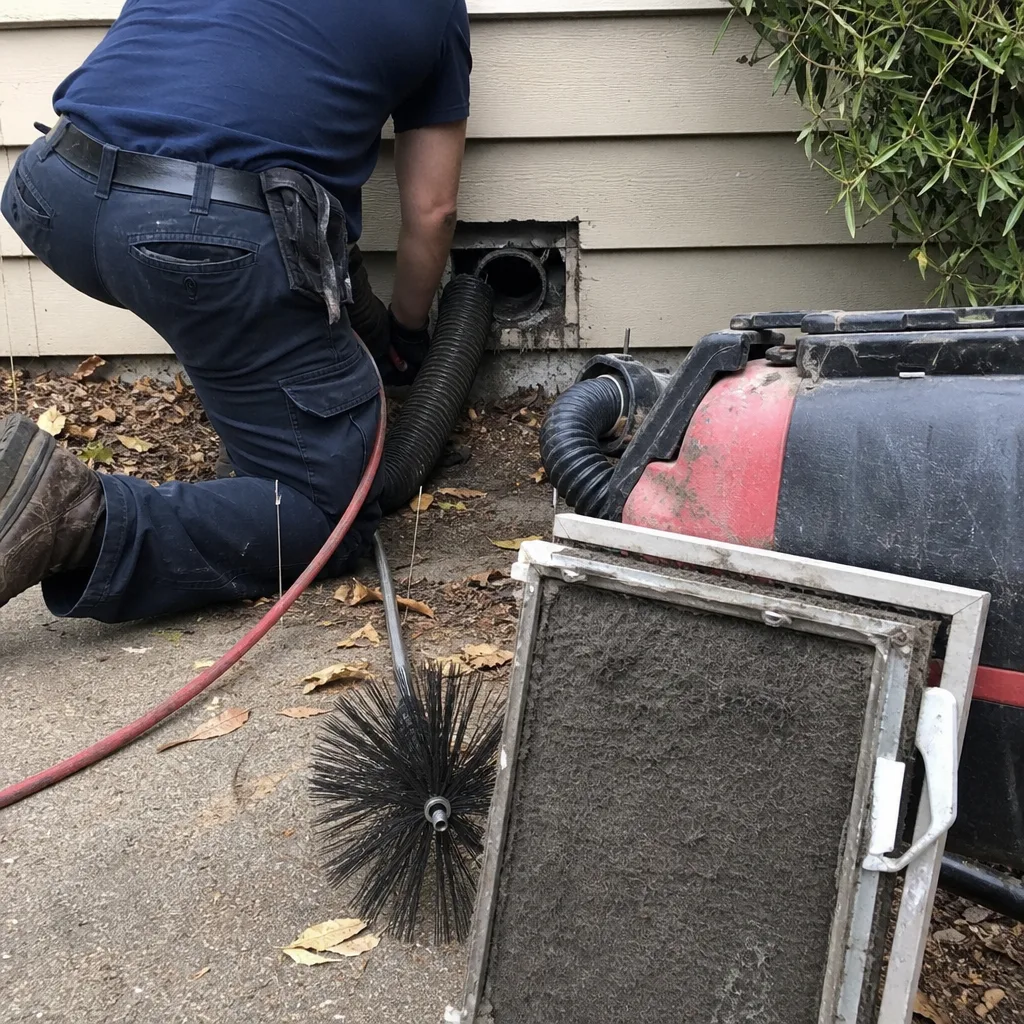 Before
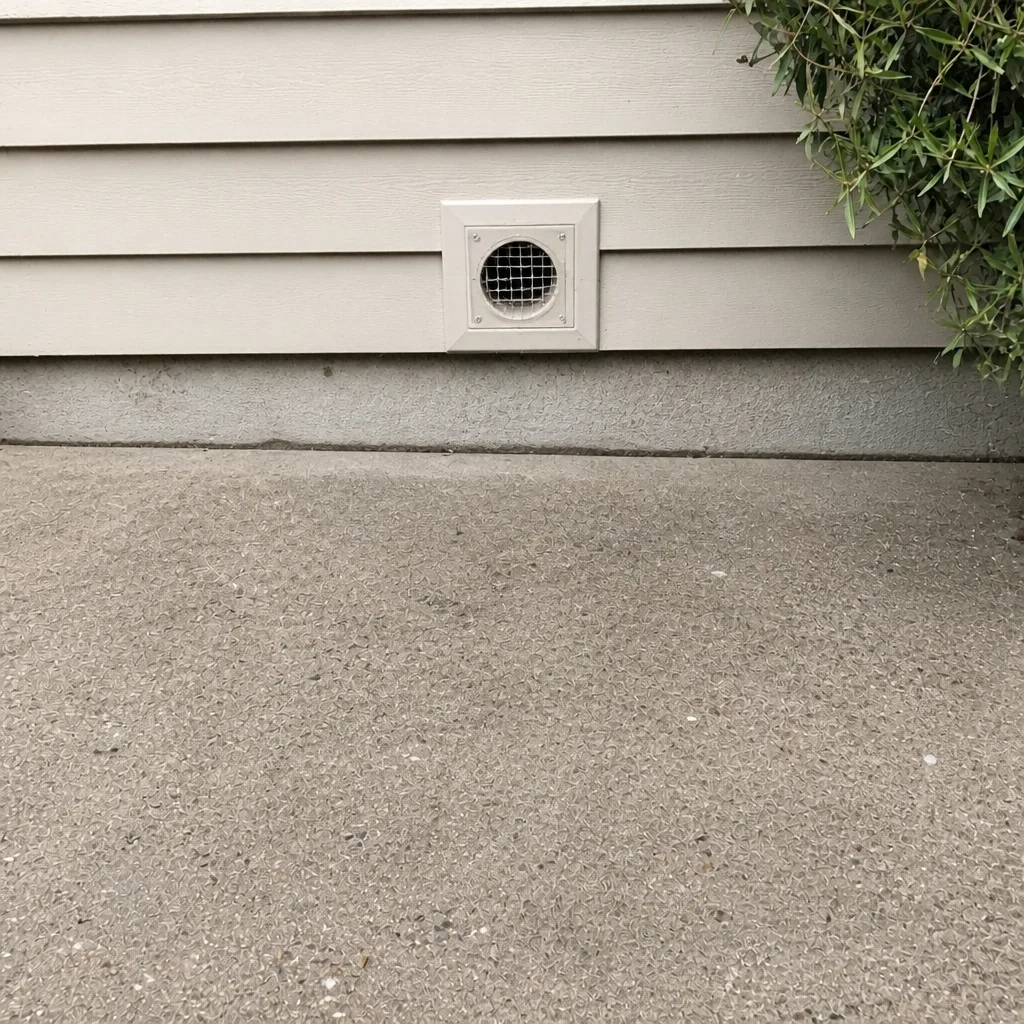 After
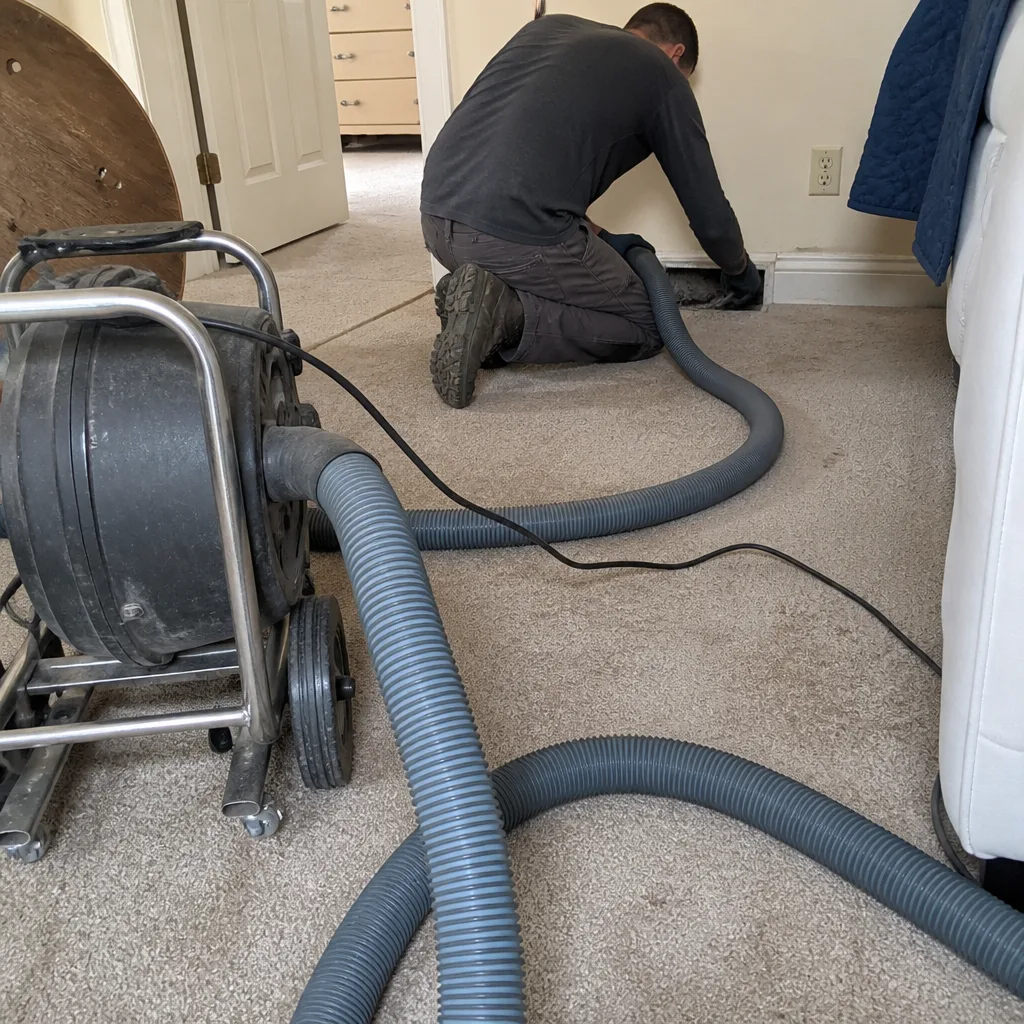 Before
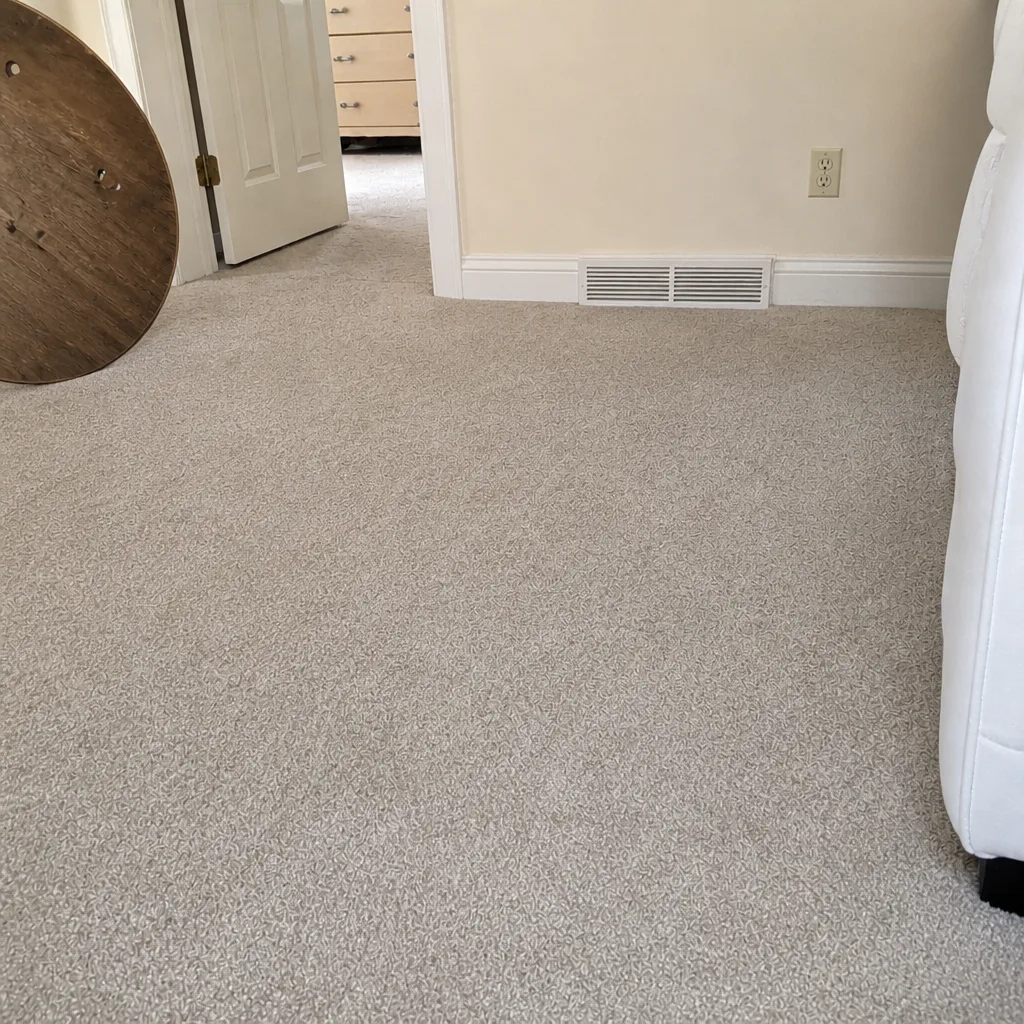 After
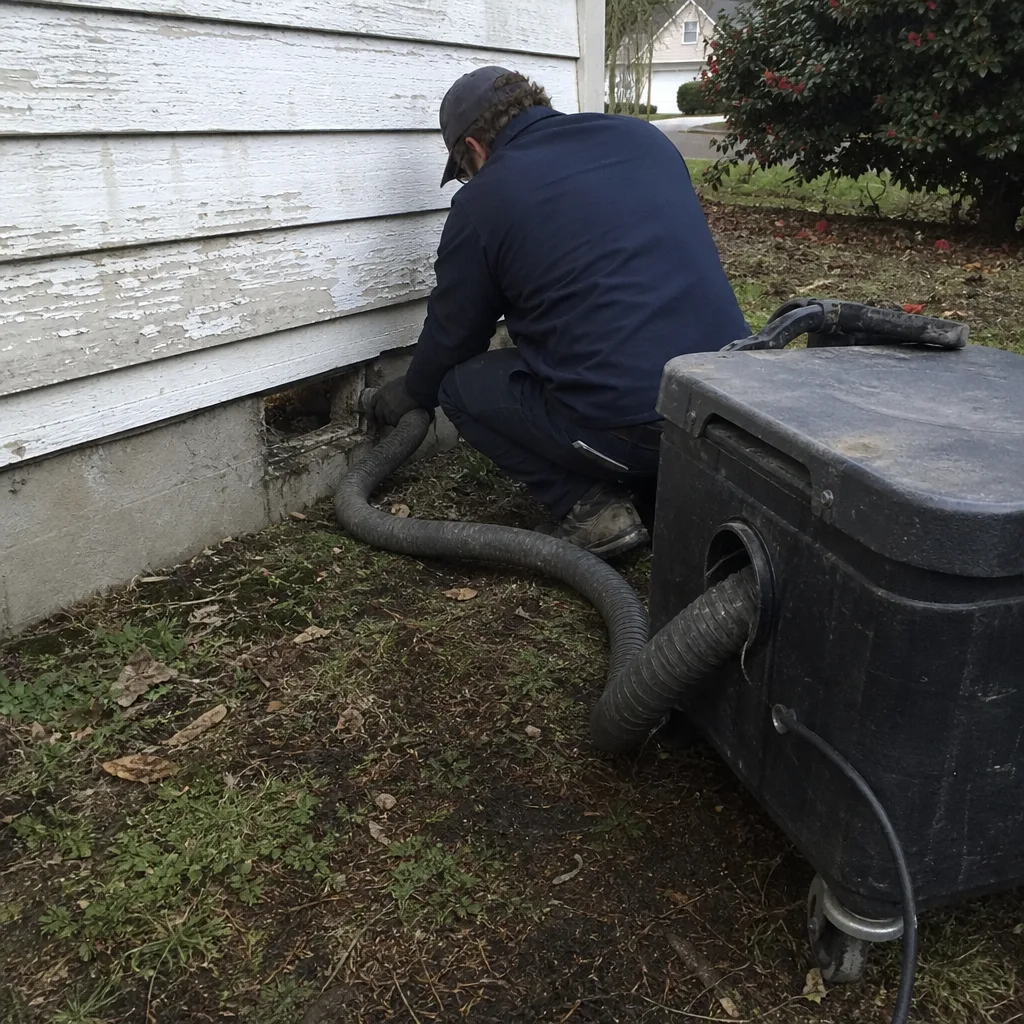 Before
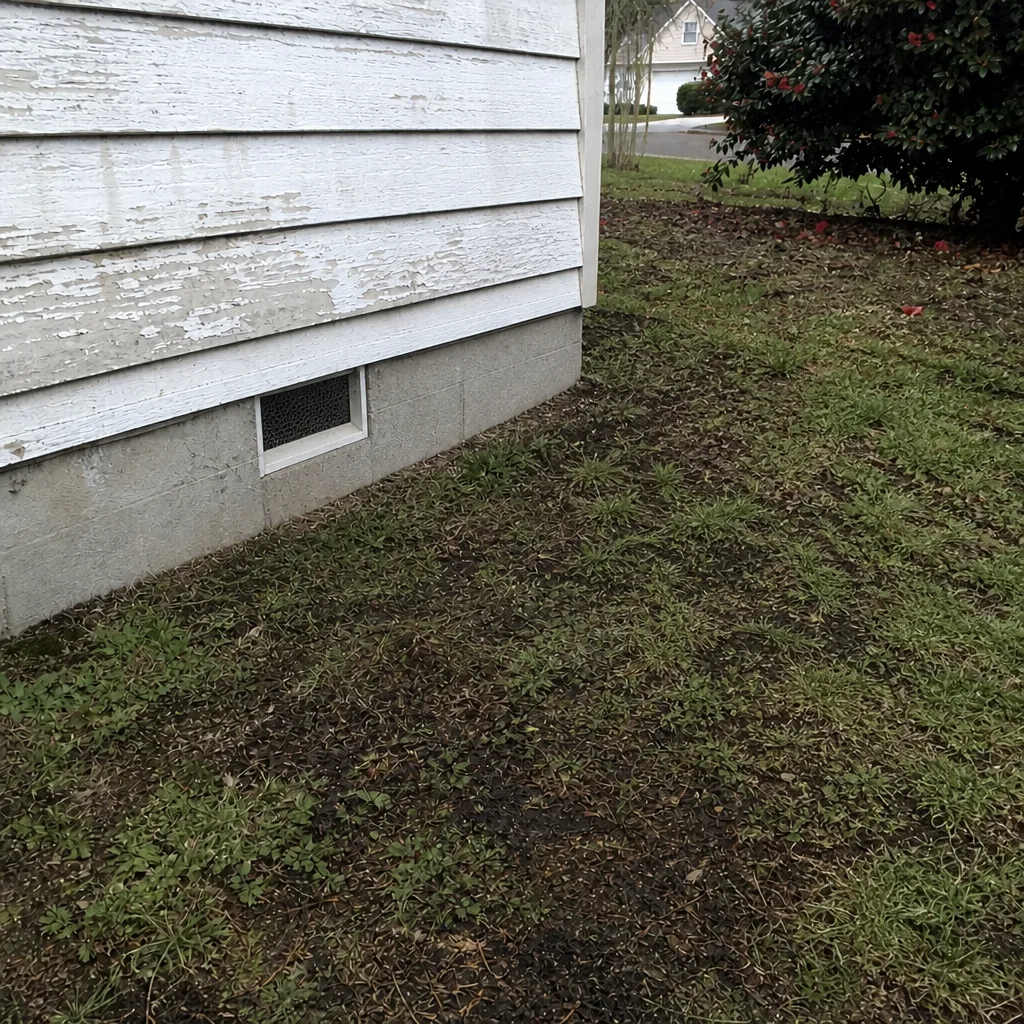 After
When to Call a Professional
Call when you’ve noticed a musty odor that appears only when the system runs, when a room never gets comfortable despite a healthy furnace or AC, when airflow at one register is clearly weaker than the rest, or when your ducts haven’t been serviced in several years and you’re heading into the fall heating season. Call if you’ve been through a smoke event and the ducts have never been cleaned, if the filter life has shortened noticeably, or if a recent remodel pushed construction dust through the system. Duct Cleaning Hillsboro offers free estimates in Hillsboro, so the call is a way to find out what’s actually needed rather than a commitment to a full cleaning. Call (866) 810-7564.
Frequently Asked Questions
The price depends on the size and layout of the duct system and its contamination level, and we quote a flat price per system after inspecting it. We don’t quote per-vent prices, because per-vent pricing is how a low teaser turns into a much larger invoice once the technician is on site. Call (866) 810-7564 for an exact quote. Estimates are free.
Cheap quotes often come from a truck-mounted blower alone with no containment, no rotary contact cleaning, and no HEPA extraction. That approach agitates debris and can push it into your living space rather than out of the system. We quote the work with a flat price per system, use the Rotobrush contact-cleaning system plus Nikro HEPA extraction on every job, and show before-and-after photos of your own ducts. Call (866) 810-7564 for a quote that reflects actually doing the work.
Ask for before-and-after photos of your own duct system and for airflow observations before and after the cleaning. A verifiable job shows the change. Ask also what equipment will be used on the job, because the equipment is what separates a real cleaning from a blower pass. Call (866) 810-7564 to ask how we verify a cleaning.
For most Hillsboro homes, yes. A late-August or early-September cleaning removes accumulated summer debris before the first heating run pushes it into living spaces. If a home has heavy smoke exposure or significant winter moisture problems, a second look in January or February is worth scheduling.
Cleaning removes particulate that has settled inside the duct system, which is a different problem than smoke currently in the room air. If your ducts have been through several smoke seasons without cleaning, the load inside them is meaningfully larger than what a filter handles. Call (866) 810-7564 to find out whether a cleaning or an inspection is the right next step.
Loaded or leaking ducts make the air handler work harder to move the same air, and in homes with crawlspace runs that develop winter condensation problems, that effect compounds. A slow rise in heating and cooling costs with no other explanation is one reason to schedule an inspection. Call (866) 810-7564 for a free estimate.
The Bottom Line
Hillsboro’s climate runs your ducts on a four-part cycle: wet winter infiltration, spring pollen loading, summer smoke, and the fall heating restart. The single highest-value action is a cleaning in late August or early September, before the first furnace run, because that’s when the summer’s accumulation would otherwise cycle into your living space. Winter is a crawlspace inspection and repair season. Spring is a return-air check. Summer is a smoke-particulate assessment. Read your utility bills and airflow alongside the calendar, and schedule the fall cleaning if you haven’t had one in several years.
Duct Cleaning Hillsboro offers free estimates across Hillsboro. We use the Rotobrush contact-cleaning system and Nikro HEPA extraction on every cleaning, bring containment-grade Abatement Technologies equipment for heavier jobs, and repair what we find on the same visit. Call (866) 810-7564. We answer 24/7. Fast dispatch from 7am to 7pm, Sunday through Friday.
For homeowners who want the full scope of what we do beyond seasonal care, see our air duct cleaning service, or start with the Duct Cleaning Hillsboro homepage. Dryer safety is a separate track worth its own schedule, covered under dryer vent cleaning. And if you’re new to the area or just want local context, the Hillsboro page is the place to start.
Written by the team at Duct Cleaning Hillsboro.