
Last updated November 14, 2026
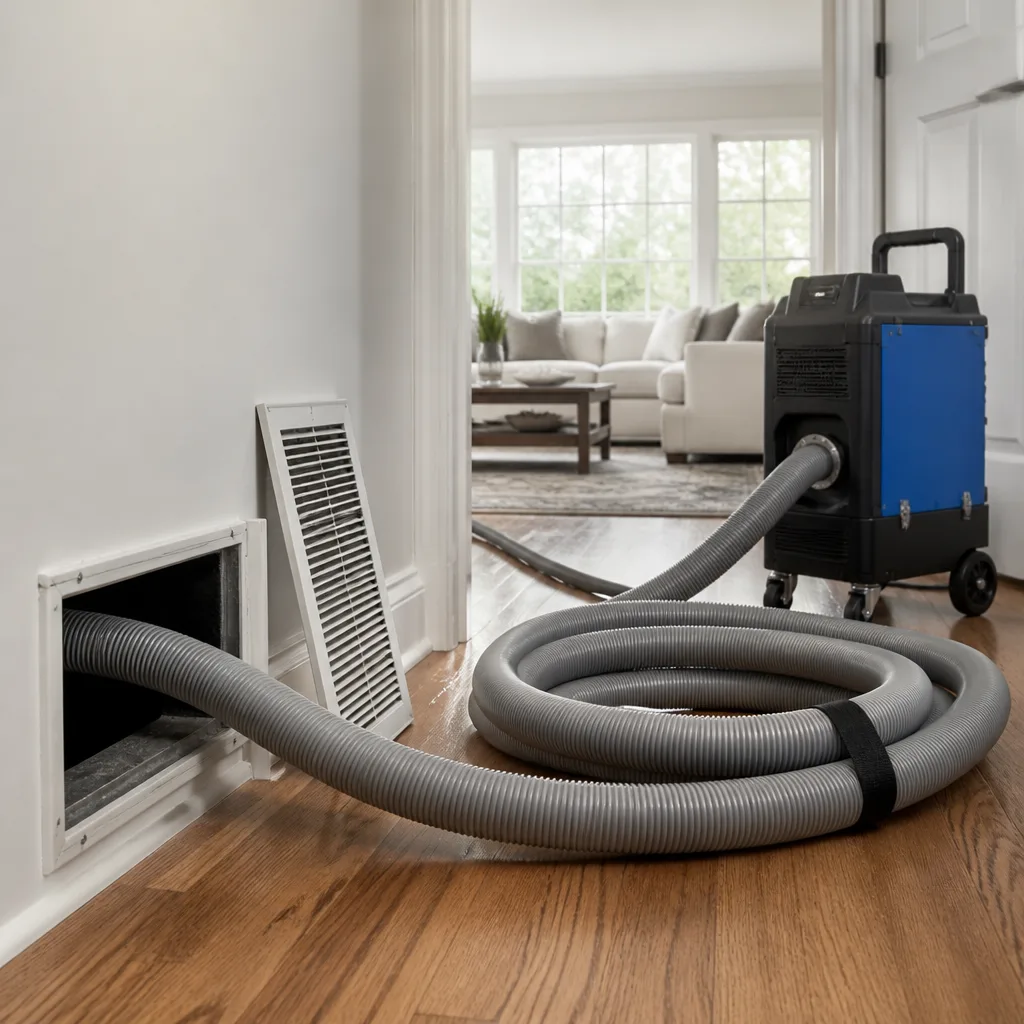 Whole-home duct cleaning
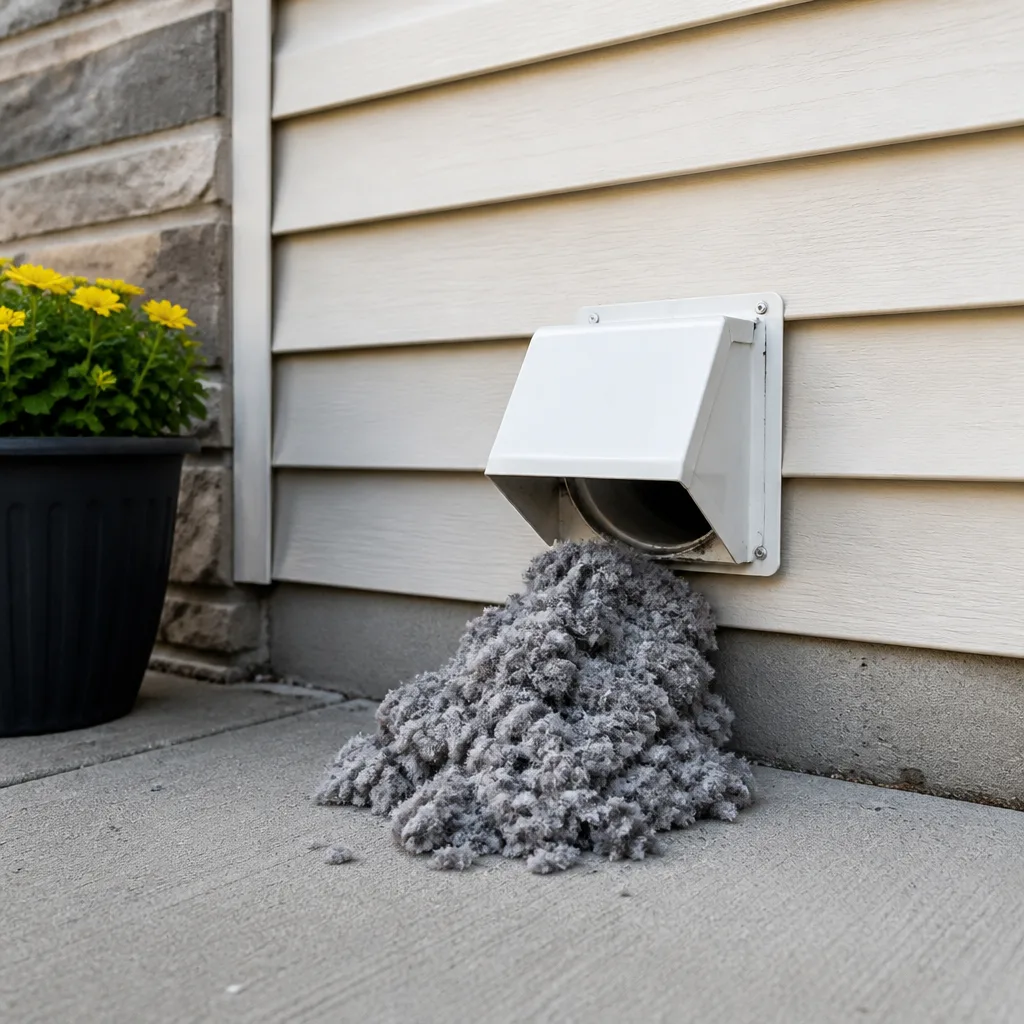 Dryer vent cleaning
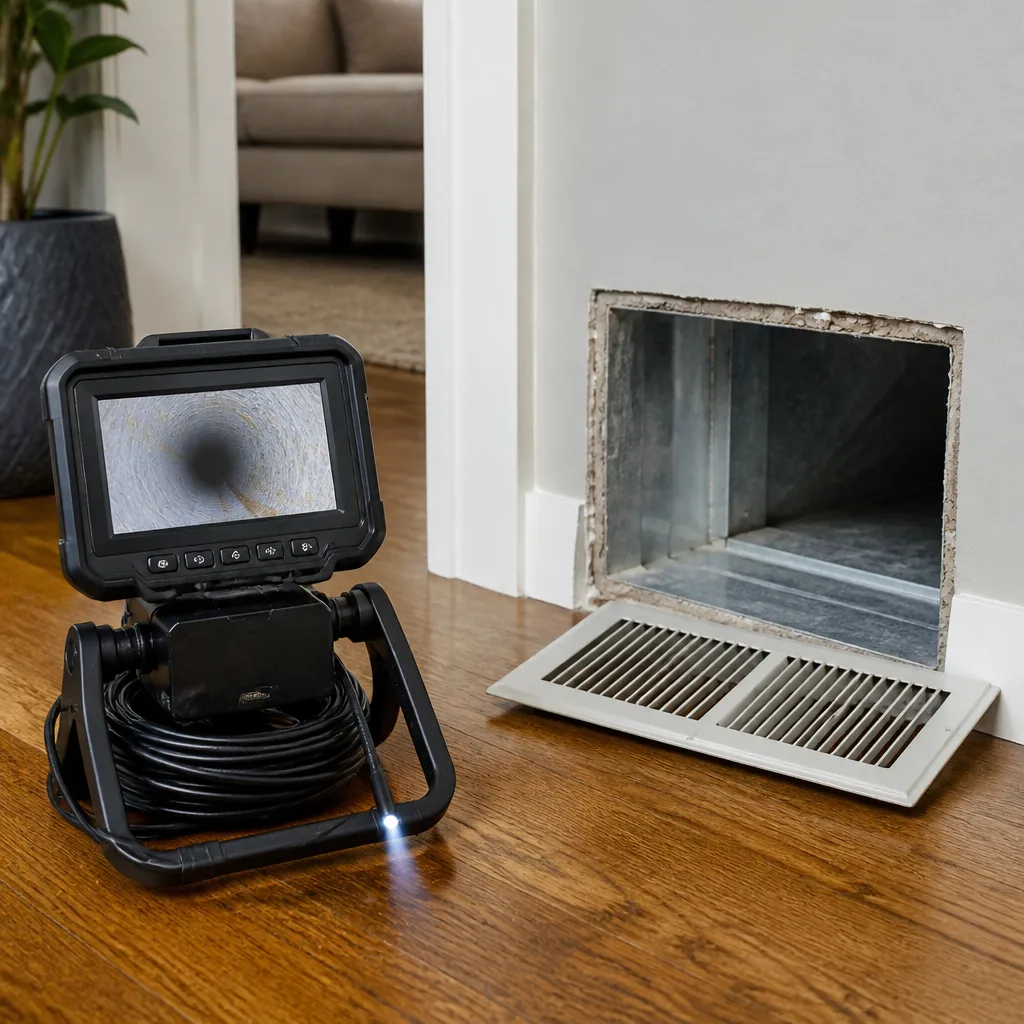 Camera inspection
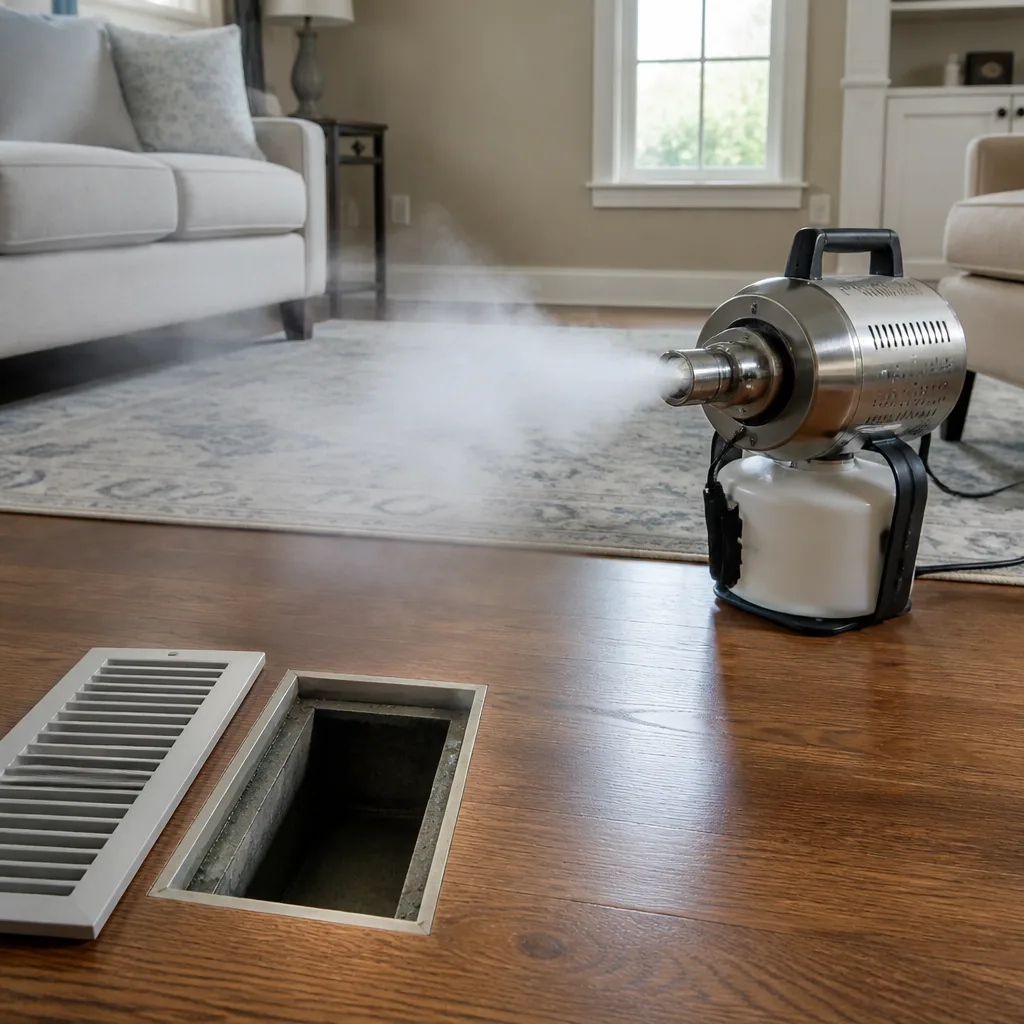 Sanitizing & deodorizing
Whole-system duct and dryer vent check with before-and-after photos - you see exactly what came out of your vents
That "$99 whole-house special" is a bait ad - the real number appears once they are in your hallway, or the "clean" is a shop-vac at the register. We photograph the inside of your ducts before and after instead.
Air Duct Cleaning Maintenance Checklist for Hillsboro Homeowners
If your last duct cleaning “reset the clock” but your filter has been running at MERV-5 for two years since, your ducts are already reloading. Duct cleaning isn’t a set-and-forget event. It’s one step in a maintenance loop that includes filter discipline, moisture control, and periodic visual inspection. Get one part of that loop wrong and the rest of it quietly falls apart. What follows is a concrete, repeatable schedule tied to how hard your HVAC system actually works in Hillsboro’s wet winters and smoky late summers, plus the visual checkpoints you can do yourself and the red flags that mean you shouldn’t wait for the calendar.
Quick Answer
For most Hillsboro homes, a full air duct cleaning every three to five years is the working baseline, with filter changes every one to three months, a quarterly visual check at your registers, and annual attention to moisture and dryer vent airflow. Homes with pets, recent remodeling, or anyone with respiratory sensitivity should tighten those intervals. The schedule matters less than the habit: clean, then protect what you cleaned with the right filtration and airflow.
Styles & brands we work with
- Whole-home duct cleaning
- Dryer vent cleaning
- Camera inspection
- Sanitizing & deodorizing
Table of Contents
- Why Duct Cleaning Is a Loop, Not an Event
- Monthly Tasks: The Low-Effort Layer
- Quarterly Tasks: Visual Inspection Without Tools
- Annual Tasks: Moisture, Airflow, and the Dryer Vent
- Filter Selection That Matches Your Cleaning Interval
- Hillsboro’s Rainy Season and Wildfire Smoke Windows
- Tracking Cleaning History and Negotiating Intervals
- Red Flags That Trigger an Off-Schedule Cleaning
Why Duct Cleaning Is a Loop, Not an Event
A duct system is a closed loop of moving air, and every component in that loop either protects the ducts or reloads them. Your filter is the front line. Your return registers are the intake. Your supply registers are the exhaust. Moisture anywhere in the system feeds biological growth that no amount of contact cleaning will permanently remove unless the source is fixed. That’s why a cleaning done in isolation, with no filter upgrade and no moisture correction afterward, tends to look overdue again faster than the homeowner expects.
We think about it in two phases. Contact cleaning physically agitates debris from duct walls using a rotary system, and HEPA-rated vacuum extraction captures what’s loosened so it doesn’t redistribute into your living space. That’s the reset. The maintenance loop is everything you do between cleanings to keep the reset meaningful. Homeowners who treat cleaning as the whole job, rather than the start of a maintenance habit, are usually the ones calling back in two years wondering why their registers look dusty again.
The Three Inputs That Reload Your Ducts
- Filtration gaps. A filter that’s too restrictive chokes airflow and lets bypass air carry dust past the frame. One that’s too loose catches almost nothing.
- Moisture. Hillsboro’s wet season pushes indoor humidity up, and any duct with a cold surface or a small leak becomes a condensation point.
- Source events. Remodeling dust, wildfire smoke intrusion, a new pet, or a furnace replacement all introduce a load the system wasn’t sized for.
Each of those has a corresponding task in the checklist below. None of them requires a technician to fix on a monthly basis. All of them require you to notice.
Monthly Tasks: The Low-Effort Layer
The monthly layer is about catching change early. It takes ten minutes and prevents the two most common calls we get: a filter that’s been clogged for months, and a register that’s been blowing weak for weeks before anyone looked.
- Check the filter, don’t just schedule it. Pull it and hold it up to a light. If you can’t see through it, it’s done, regardless of what the calendar says. In Hillsboro’s wet months, a filter that picks up moisture and dust together can load faster than the box suggests.
- Listen at the return. A healthy return has a steady, even pull. A whistling or labored sound means restriction somewhere upstream, often the filter or a collapsed flex run.
- Wipe one supply register with a white cloth. A light film is normal. A visible grey streak after a month of use is a signal your ducts are shedding debris back into the airstream.
- Check the condensate path if you have central air. Standing water near the air handler is a moisture problem that will find its way into the ductwork if it isn’t addressed.
- Note any new odor. Musty smells point to moisture. Burning or plastic smells point to a component issue and should be investigated immediately, not filed away.
That’s it for monthly. The point isn’t to do more. It’s to do the same small things consistently, because the small things are what tell you when the bigger ones are due.
Quarterly Tasks: Visual Inspection Without Tools
Every three months, do a walk-through of your registers with nothing but a flashlight and your eyes. This is the layer most homeowners skip, and it’s the one that catches problems while they’re still cheap to fix. You don’t need a camera or a moisture meter to notice the things that matter.
What to Look For at Supply Registers
- Even airflow. Hold your hand a few inches away. Every supply in a room should feel roughly similar. One weak register usually means a damper is partly closed or a run has come loose.
- Streaking on the grille face. Dark streaks radiating from the louvers mean dust is being pushed out under pressure, often because the duct behind it is loaded.
- Rust or staining at the edges. Any brownish discoloration around a register in a Hillsboro home is worth taking seriously, because our climate gives moisture plenty of chances to get in.
- Loose or sagging flex duct. If you can see behind a register and the inner liner looks torn or collapsed, that section isn’t delivering air the way it should.
What to Look For at Return Registers
- Debris accumulation on the grille. Returns pull harder than supplies. A return grille that needs wiping every quarter is telling you the filter is undersized or bypassing.
- Filter fit. The filter should sit snug with no visible gap around the edges. Gaps let unfiltered air straight into the system, which is worse than a dirty filter.
- Access panel condition. If your system has an access panel, check that it seals. A loose panel is an unfiltered leak.
Write down what you find. A short note on your phone with the date is enough. Over a year or two, those notes become a real history, and that history is what lets you talk to a contractor on equal footing instead of guessing.
Annual Tasks: Moisture, Airflow, and the Dryer Vent
Once a year, step back and look at the whole system. This is the layer that catches the things that build slowly. It’s also where a lot of Hillsboro homeowners discover their dryer vent has been the real airflow problem all along.
- Inspect the dryer vent run. Disconnect the dryer and look inside the duct and at the exterior termination. Lint buildup here is a fire risk, not just a drying-time annoyance. If the flap doesn’t open freely or you see a mat of lint, it needs cleaning.
- Verify dryer airflow. A load that now takes two cycles to dry is airflow you can measure without instruments. That’s a red flag for a blocked dryer vent cleaning.
- Check humidity in the home. Sustained indoor humidity above the comfortable range in winter is a sign your ventilation or moisture control isn’t keeping up.
- Look at the air handler area. Any standing water, rust, or biological growth near the unit should be addressed before it migrates into the ducts.
- Review your filter log. If you changed filters more often than expected this year, that’s useful data for setting next year’s cleaning interval.
- Schedule a professional visual assessment if you’ve hit the three-to-five-year mark or found anything on this checklist you can’t explain.
Annual tasks are where the maintenance loop closes. If everything checks out, you probably don’t need a cleaning yet. If two or three items raise questions, you have a clear reason to book one.
Filter Selection That Matches Your Cleaning Interval
Here’s a trap we see often: a homeowner reads that a higher-MERV filter catches more, upgrades to the highest rating they can find, and then wonders why their airflow dropped and their ducts seem to load faster. Filter rating and filter fit are two different things, and a filter that’s too restrictive for your blower is worse than a modest filter that fits properly.
MERV rating is a measure of how effectively a filter captures particles in a given size range. Higher numbers capture finer particles, but they also add resistance. Every residential blower is designed for a certain static pressure range, and pushing a filter past it starves the system of air. When airflow drops, the system runs longer, the ducts stay cooler and damper, and in a wet climate that’s exactly the condition moisture needs. So an aggressive filter upgrade, made without checking what your system can actually move, can undercut the very cleaning you just paid for.
Matching the Filter to the Interval
- Basic pleated filters catch larger debris and protect the equipment. They need changing more often, so pair them with a tight monthly check.
- Mid-range pleated filters are the practical middle ground for most homes and pair well with a three-to-five-year cleaning interval.
- High-capture filters make sense for homes with respiratory sensitivity or heavy pet load, but only if the system can move air through them without strain.
- Filter housing upgrades from brands like Aprilaire can hold a deeper filter with more surface area, which often means better capture without choking airflow. That’s a conversation worth having after a cleaning, not a decision to make blind.
One more thing: after any duct cleaning, replace the filter. A fresh filter on clean ducts gives you a clean baseline to measure against. Skipping that step is one of the most common ways homeowners undo a good cleaning within a week.
Hillsboro’s Rainy Season and Wildfire Smoke Windows
Hillsboro has two seasonal pressures that matter for duct maintenance, and they push in opposite directions. The wet months from late fall through spring raise indoor humidity and make moisture control the priority. The dry, smoky windows of late summer push fine particulate into the home and make filtration the priority. A checklist that treats every month the same misses both.
The Wet Season: Moisture First
When the rain sets in, the job is keeping water out of the system. Check that your exterior vents and terminations are clear and that no duct run passes through a damp crawlspace or attic without proper insulation. Any duct that runs through an unconditioned space in Hillsboro is a candidate for condensation, and condensation is what turns a minor dust problem into a biological one. Watch indoor humidity, run bathroom and kitchen ventilation properly, and address any roof or foundation moisture that could reach ductwork. If you notice musty odors in fall, that’s your signal that the wet season is already doing its work.
The Smoke Window: Filtration First
When wildfire smoke is in the air, the priority flips to keeping fine particulate out. That means a properly fitted filter at the right rating for your system, doors and windows closed, and the fan running on a schedule that keeps air moving through the filter rather than settling. If smoke season hits and your ducts haven’t been cleaned in several years, the debris load already in the system becomes a reservoir that keeps releasing particles into the airstream. Cleaning before smoke season, rather than after, is the better sequencing.
A Simple Seasonal Order
- Clean ducts in late summer or early fall, before the wet season and after smoke season has passed.
- Replace the filter immediately after cleaning.
- Through the wet months, focus on moisture checks and humidity.
- Before the next smoke window, confirm filter fit and airflow.
Tracking Cleaning History and Negotiating Intervals
The single most useful thing you can bring to a conversation with any duct cleaning contractor is a written history. Not because contractors need it, but because it protects you from the two failures of this industry: being sold a cleaning you don’t need, and being sold a light service that doesn’t address the actual problem.
Keep a simple log with four columns: date, service performed, who did it, and what they found. Add your filter changes to the same log. Over two or three cleaning cycles, patterns emerge. You’ll see whether your system loads faster in smoke years, whether a particular duct run keeps recurring as a problem, and whether the interval a contractor recommends actually matches your home’s behavior.
What to Ask Before You Book
- What method will you use? Contact cleaning with a rotary system plus HEPA extraction is the combination that actually removes debris rather than redistributing it. Ask specifically.
- What containment do you use? Equipment in the restoration and remediation tier, like Abatement Technologies air scrubbing and containment gear, keeps contamination controlled during the job.
- Will you repair what you find? If a duct section is torn or disconnected, a cleaning alone doesn’t fix it. Repair capability on the same visit matters.
- How will you show me the result? Before-and-after photos of your own ducts are the standard. Ask for them.
- What’s the price, and is it flat? One flat price per system agreed before work starts, not per-vent pricing that grows on the day.
When you have a history in hand, you can push back on an interval that doesn’t fit your home’s pattern, and you can recognize a quote that’s priced to balloon. That’s the practical value of the log: it turns you from a customer into a participant.
Red Flags That Trigger an Off-Schedule Cleaning
Calendar intervals are a baseline, not a rule. Certain conditions mean you clean now regardless of when the last cleaning happened. In our experience, homeowners who recognize these early save themselves the larger problem that follows.
- Visible debris blowing from supply registers. If dust or particles are being pushed into the room, the system is actively distributing contamination.
- A persistent musty or earthy odor that doesn’t clear when the system runs. In Hillsboro’s wet climate, this often points to moisture in the ductwork that needs to be addressed along with the cleaning.
- Recent major remodeling. Drywall dust and construction debris load a system heavily. Clean after the work is done, not before.
- Water intrusion or a roof leak that touched the ductwork. Any duct that got wet needs inspection before it’s put back into service.
- New respiratory symptoms in the household that track with time spent indoors, especially during smoke season.
- A pest finding. Rodent or insect activity in ductwork is a contamination event, not a maintenance item.
- Disconnected or collapsed duct runs. This is a repair trigger more than a cleaning trigger, but both are usually needed together.
Each of these is a reason to call for an assessment. None of them requires you to guess what’s happening inside the ducts. A proper inspection with the right equipment will tell you the truth, and the truth is almost always cheaper to deal with early.
Common Mistakes to Avoid
- Upgrading filter MERV without checking airflow specs. A restrictive filter can choke a system that wasn’t designed for it. Match the filter to the blower, not to the marketing.
- Skipping the filter change after a cleaning. Clean ducts and a dirty filter is a reset that lasts about a week. Replace the filter the same day.
- Treating the dryer vent as separate from duct maintenance. It’s a fire-safety system, not an afterthought. Check it annually and verify airflow, not just lint.
- Accepting per-vent pricing. Pricing that grows with the number of vents is a bait-and-switch structure. One flat price per system, agreed before work starts, is the honest model.
- Letting wet-season moisture go unaddressed. In Hillsboro, a small condensation problem compounds into a biological one fast. Fix the moisture source, then clean.
- Cleaning before smoke season instead of after. Cleaning after the smoke window ends is more effective, because the load has already passed through.
- Not keeping a log. Without a history, you’re negotiating blind. A simple written record protects you from both overselling and underservicing.
See the difference
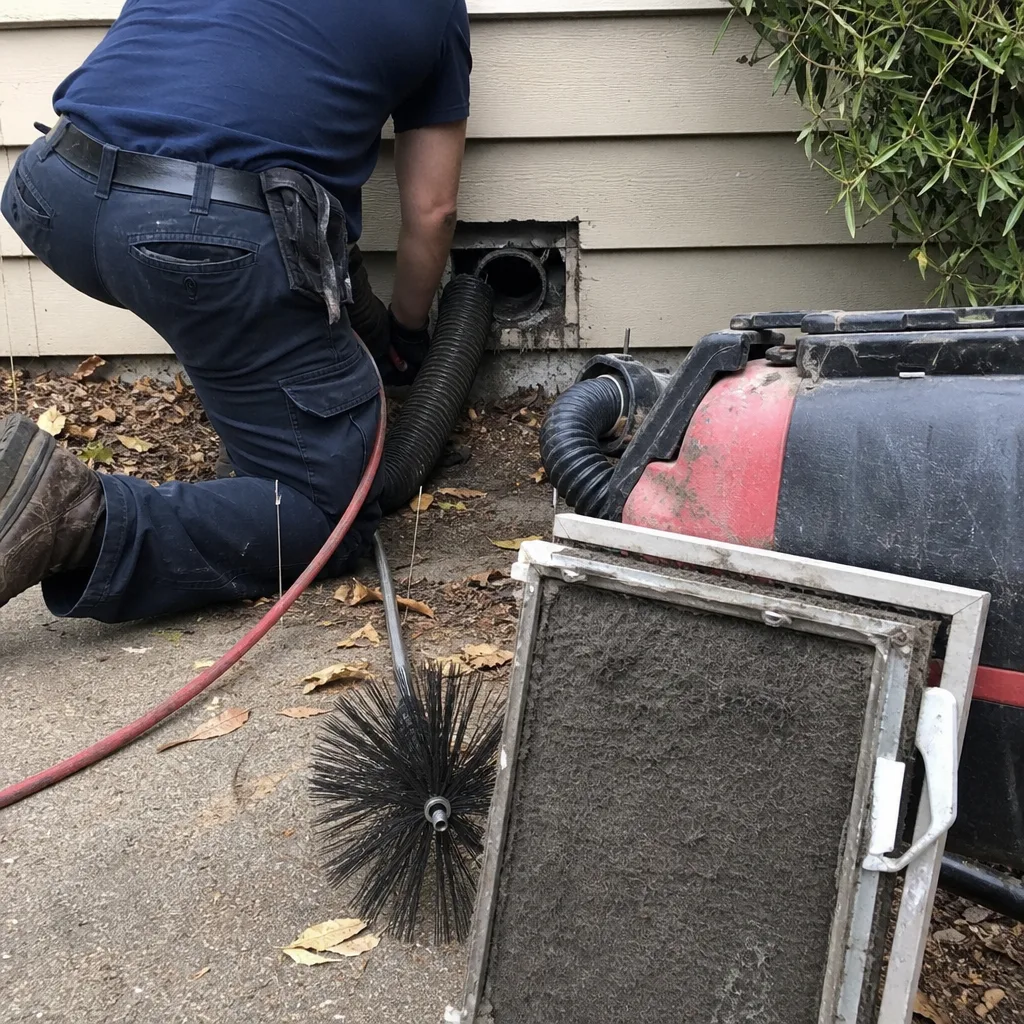 Before
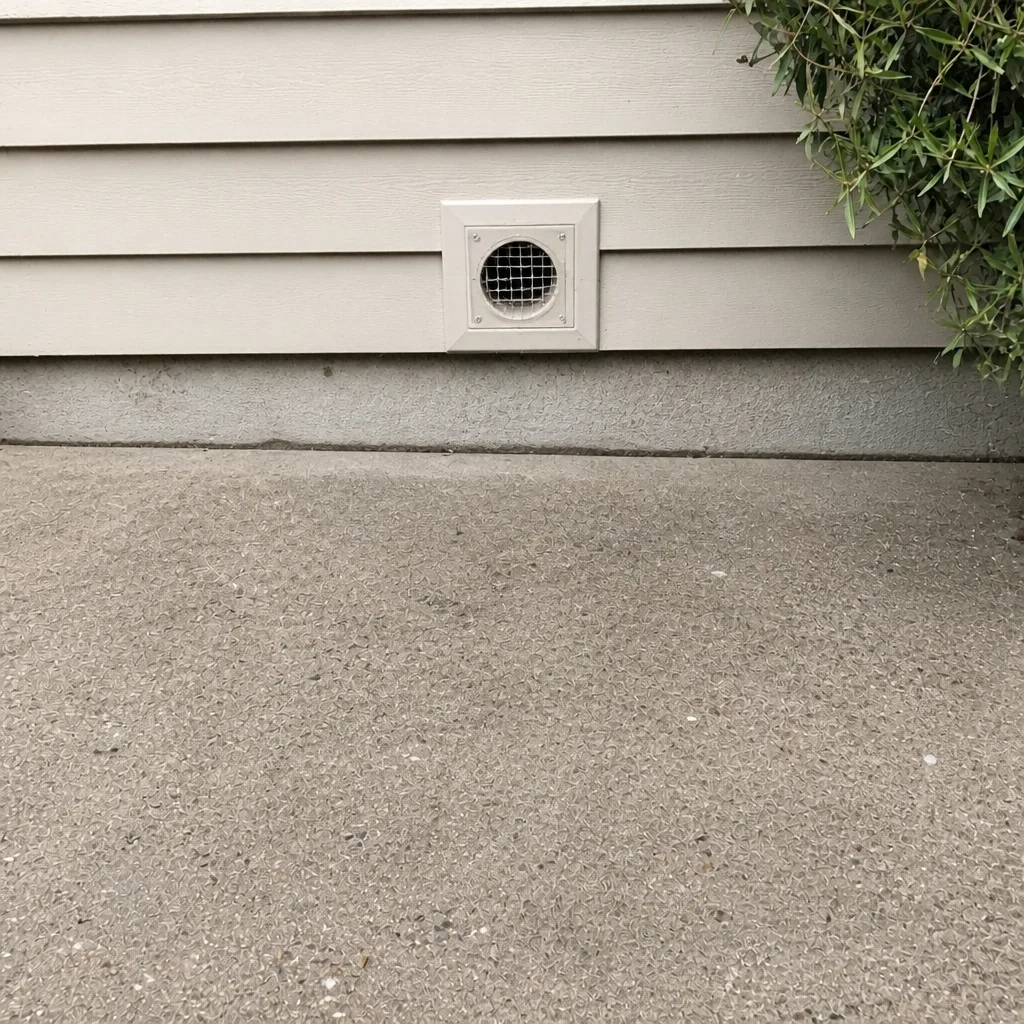 After
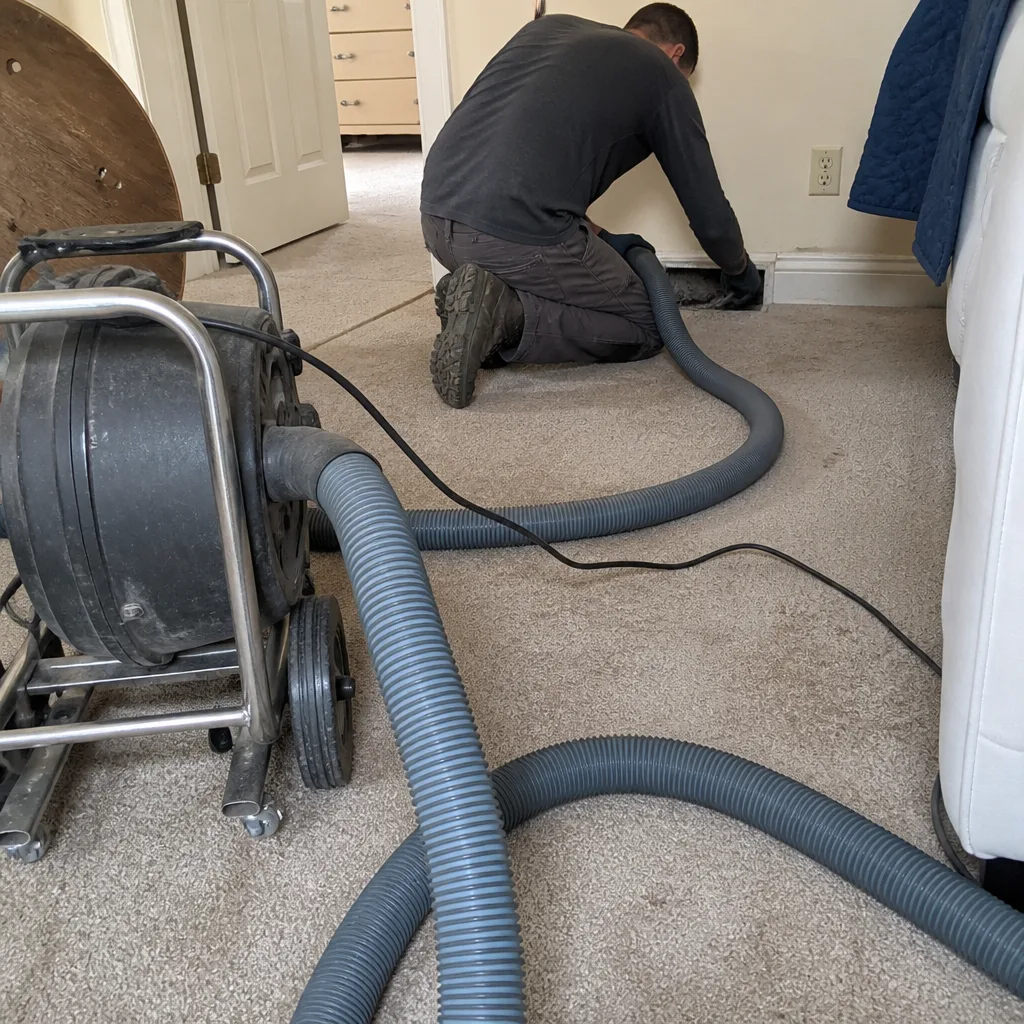 Before
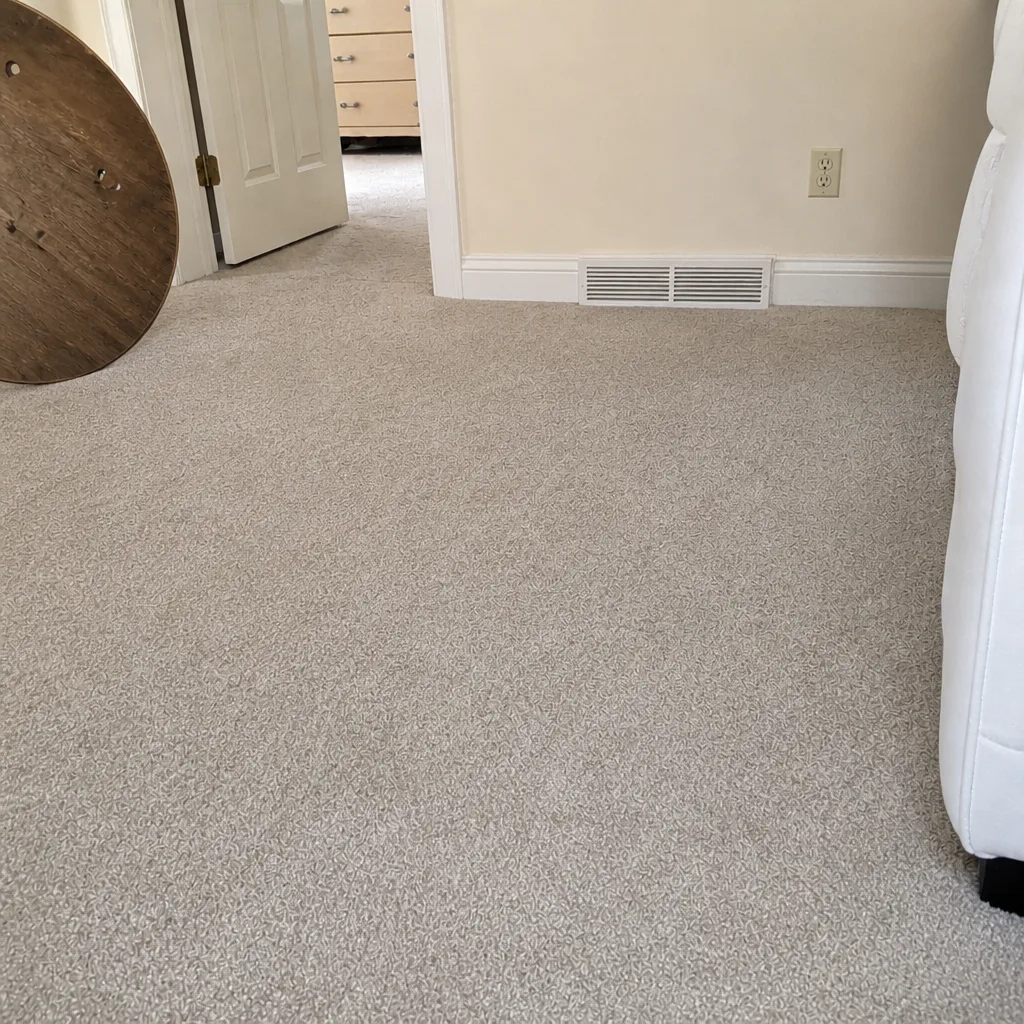 After
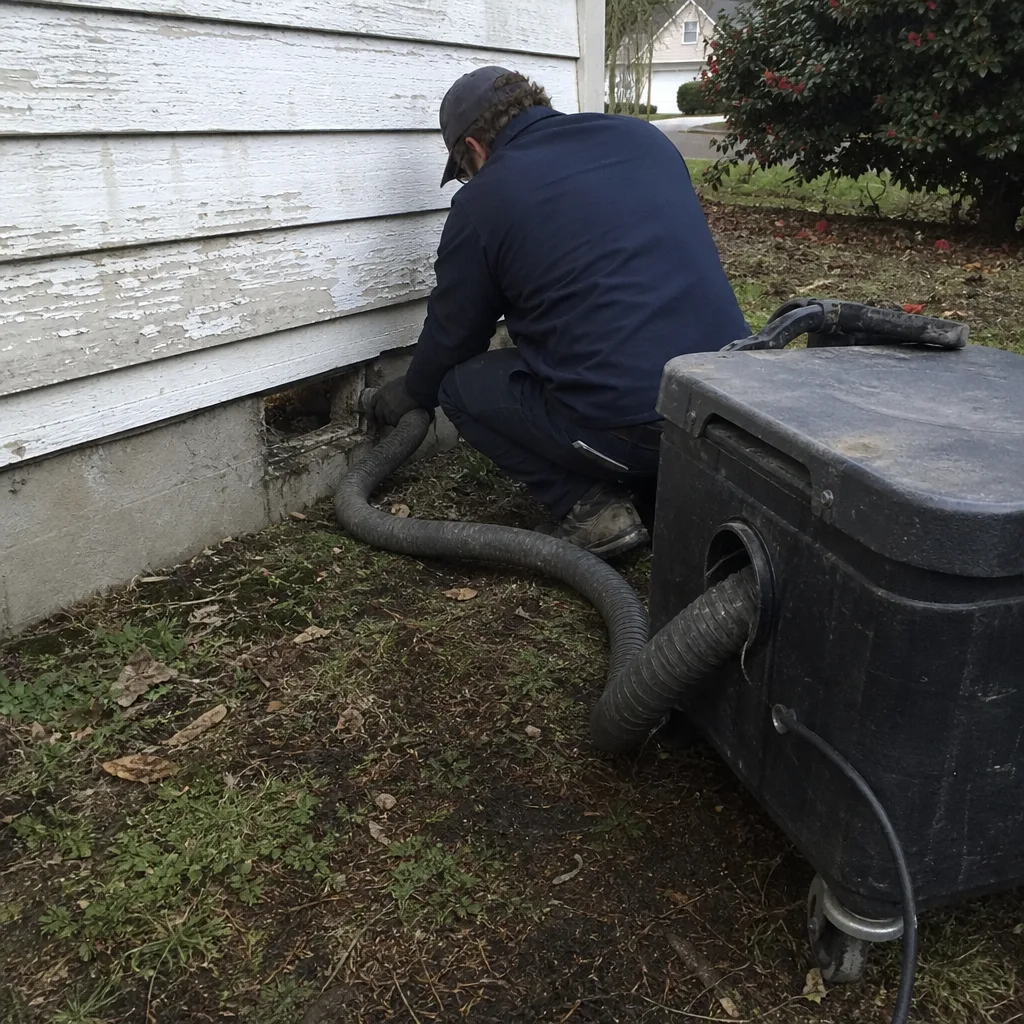 Before
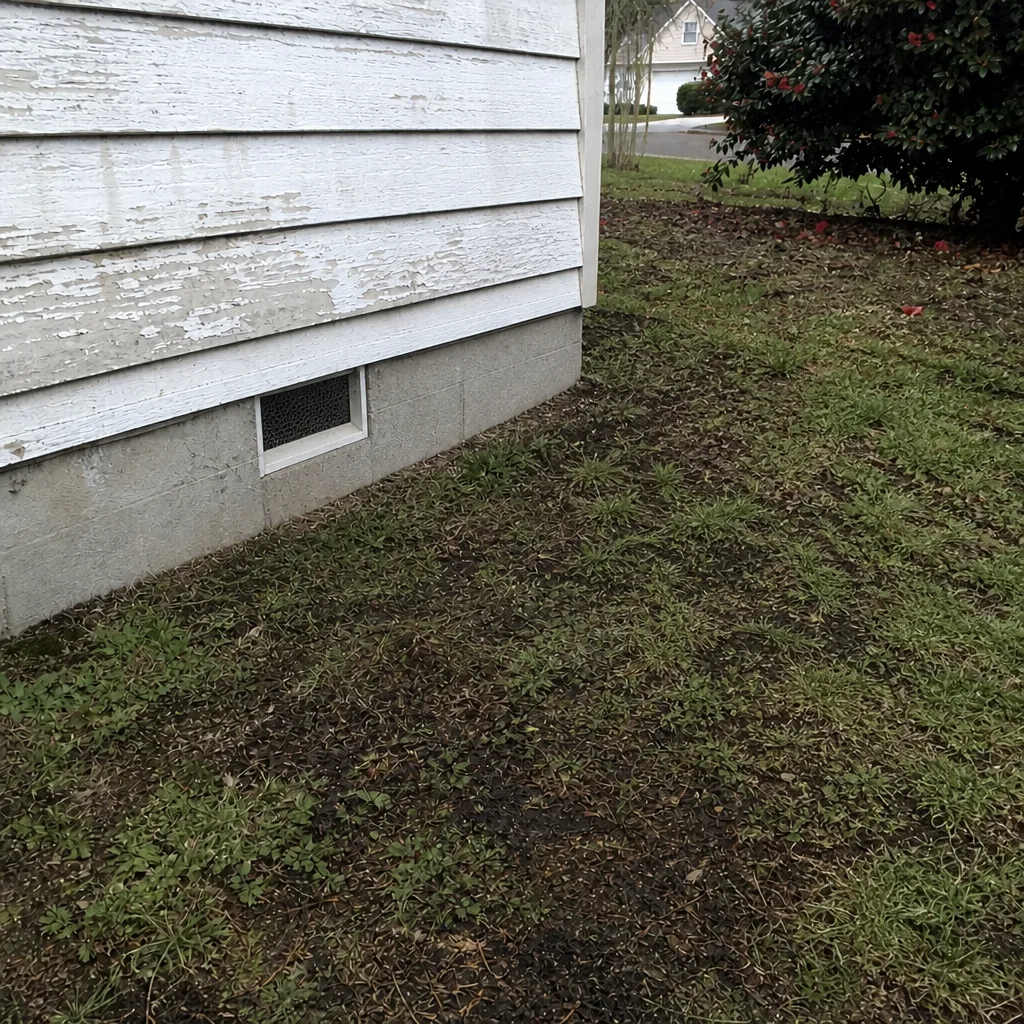 After
When to Call a Professional
Call a professional when the checklist turns up something you can’t explain, when you’ve hit the three-to-five-year mark, or when any red flag appears: debris blowing from supplies, a musty smell that won’t clear, a wet duct, pest activity, or a remodeling project that loaded the system. Call too if you’re unsure whether your filters are matched to your airflow, because a filter mismatch is one of the easiest problems to fix and one of the easiest to miss. Duct Cleaning Hillsboro offers free estimates in Hillsboro and can tell you honestly whether a cleaning is due or whether the system just needs a filter change. Call (866) 810-7564. We answer 24/7. Fast dispatch from 7am to 7pm, Sunday through Friday. Our technicians have up to 9 years of experience, and we use a professional Rotobrush contact-cleaning system with Nikro HEPA extraction on every job, so the debris comes out rather than recirculating.
Frequently Asked Questions
Every three to five years is the working baseline for most Hillsboro homes, with tighter intervals for homes with pets, recent remodeling, or respiratory sensitivity. The wet season and wildfire smoke windows both affect how fast a system reloads, so a written cleaning history matters more than any single recommended interval. Call (866) 810-7564 for an exact assessment of your system.
Pricing is set per job by a written estimate, because system size, accessibility, and duct condition all affect the work. Expect a flat price per system rather than per-vent pricing, and ask for before-and-after photos of your own ducts as part of the quote. Call (866) 810-7564 for a free estimate; the written estimate sets the final price.
Cheap quotes usually reflect a blowout rather than a cleaning: a vacuum and a quick brush pass that loosens debris without capturing it, so it settles back into the system. The flat price we agree before work starts covers contact cleaning with a rotary system plus HEPA extraction, which is a different job at a different price. Call (866) 810-7564 if you want to understand exactly what the work involves before you book.
Ask for before-and-after photos of your own ducts, and ask which equipment was used on the visit. That’s why we use a Rotobrush rotary contact-cleaning system and Nikro HEPA-rated vacuum extraction, and why repair is handled on the same visit rather than referred out. Clean ducts, confirmed with photos, is the standard.
No. A higher-MERV filter captures finer particles, but it only catches what reaches the filter, and it adds resistance that can starve airflow if your system wasn’t designed for it. Filter selection should match your blower’s airflow specs, and duct cleaning handles the debris the filter never sees. Call (866) 810-7564 to talk through both together.
Visible debris blowing from supply registers, a persistent musty odor, recent remodeling, water intrusion, pest activity, a collapsed duct run, or new respiratory symptoms in the home all justify cleaning ahead of schedule. Any of these is a reason to call for an assessment rather than wait for the calendar. Call (866) 810-7564. We answer 24/7.
The Bottom Line
Duct cleaning is one step in a loop, and the loop only works if you run it. Check filters monthly, inspect registers quarterly, review moisture and dryer airflow annually, and keep a written history so your intervals reflect your home’s actual behavior rather than a contractor’s sales script. Match your filter to your airflow, time cleanings around Hillsboro’s wet season and smoke windows, and treat any red flag as a reason to call early. Whether you’re due for a cleaning or just starting the habit, Duct Cleaning Hillsboro is here to give you a straight answer about your system and a flat price agreed before work starts. Call (866) 810-7564 for a free estimate. We answer 24/7. Fast dispatch from 7am to 7pm, Sunday through Friday.
Written by the team at Duct Cleaning Hillsboro.