
Last updated November 14, 2026
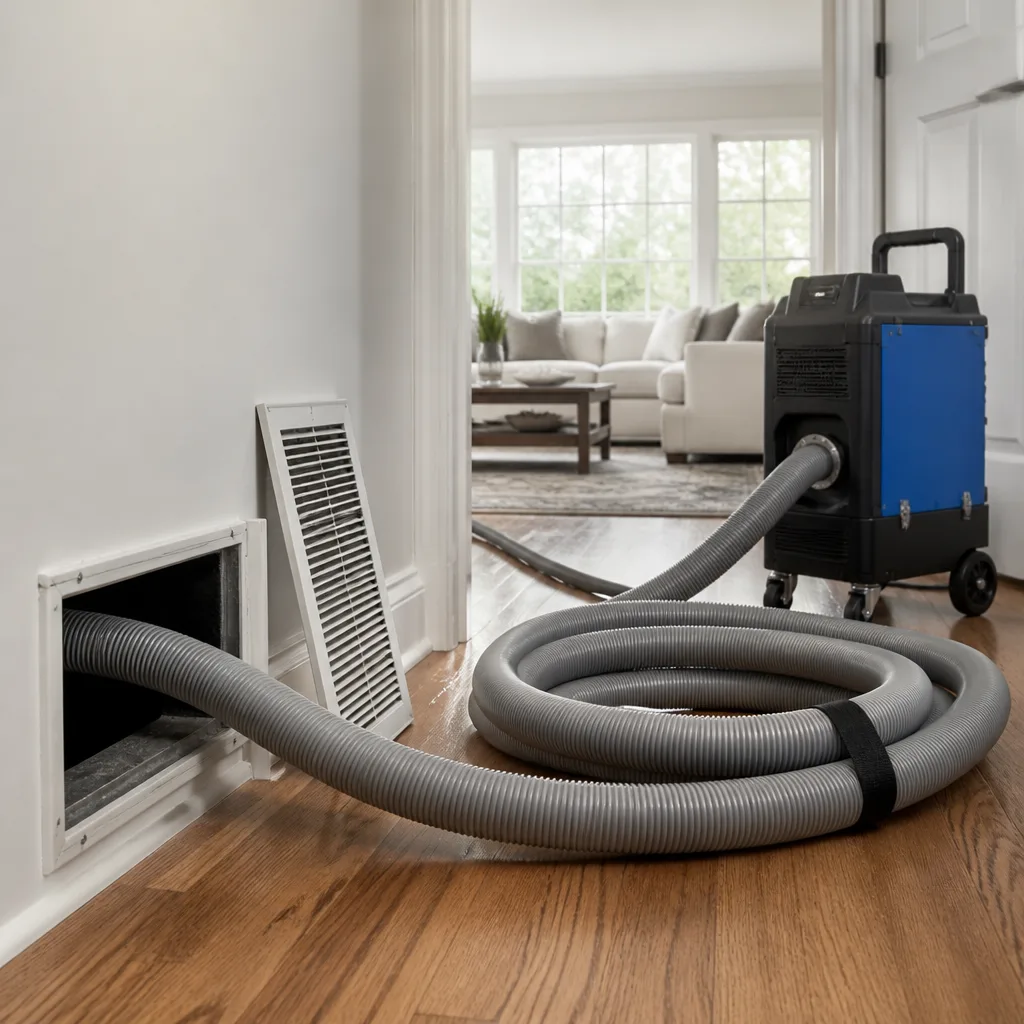 Whole-home duct cleaning
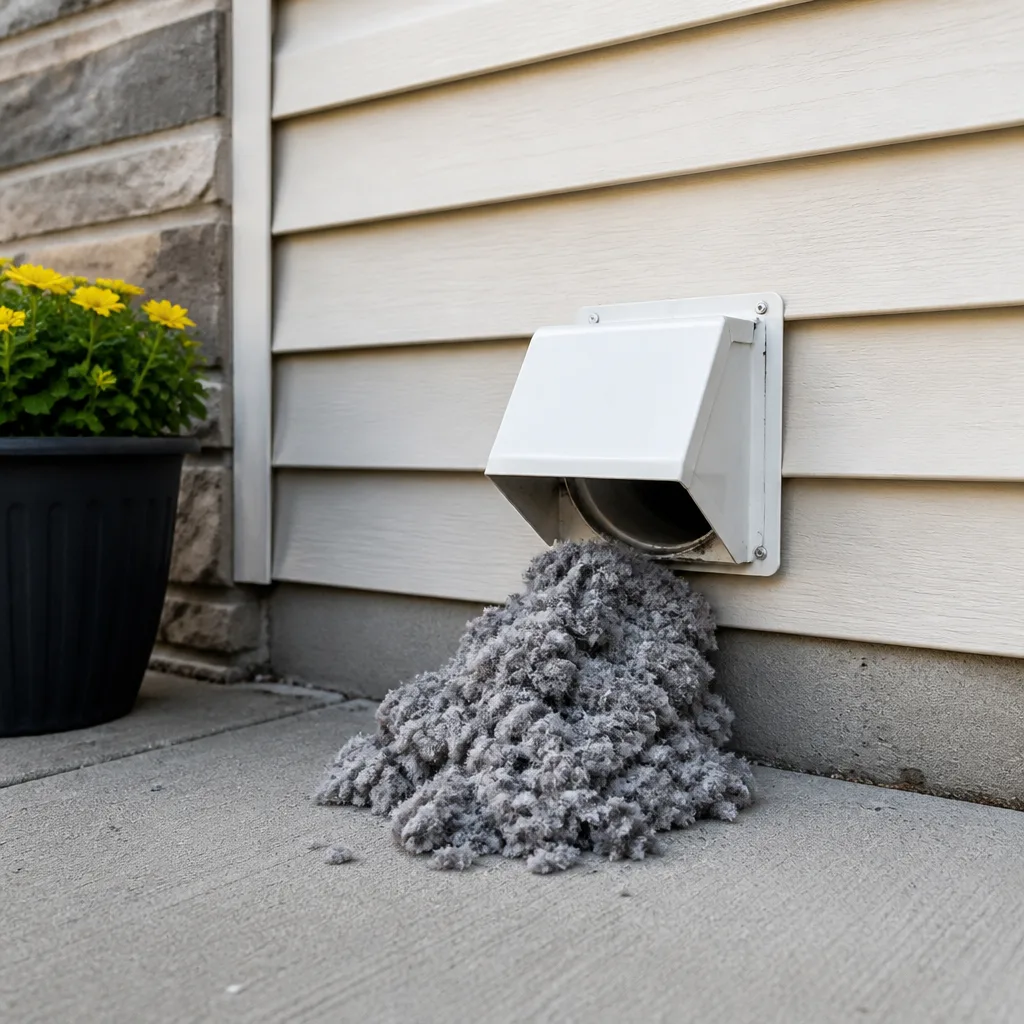 Dryer vent cleaning
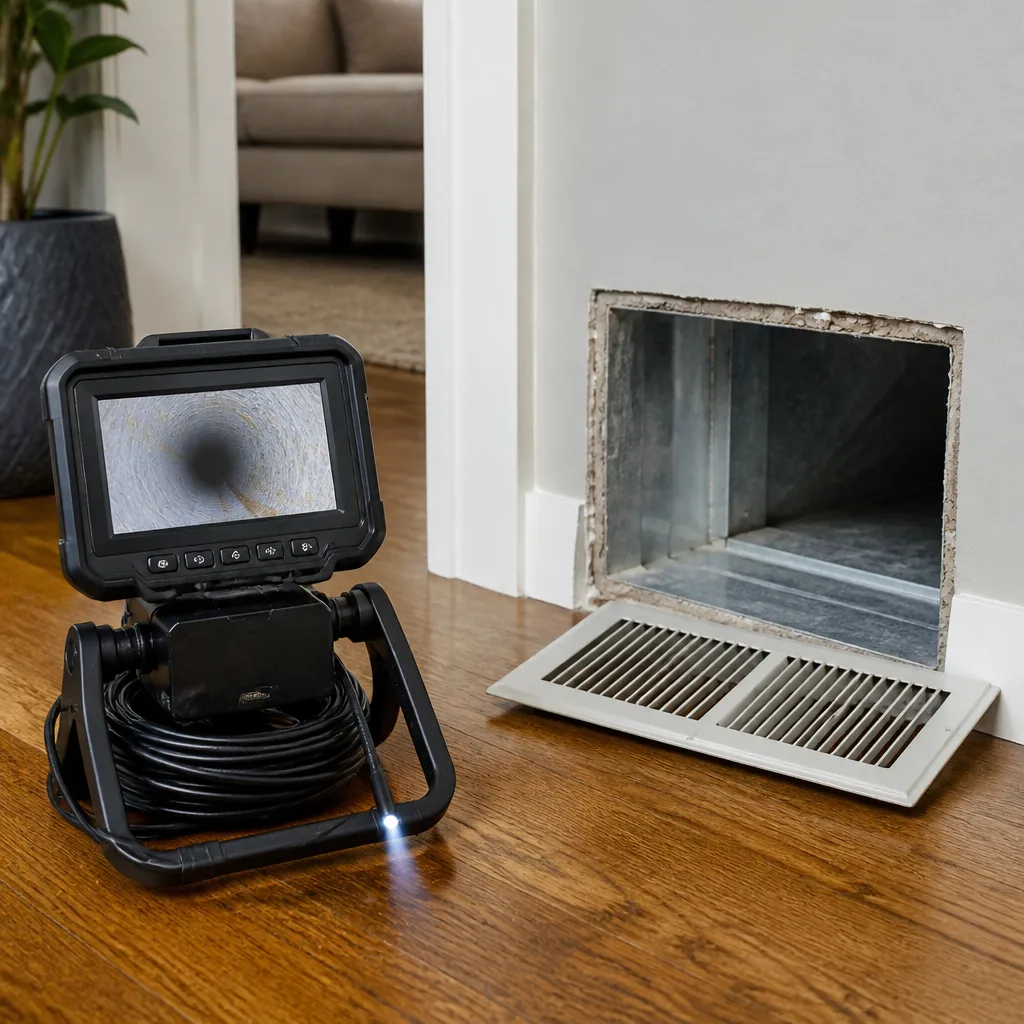 Camera inspection
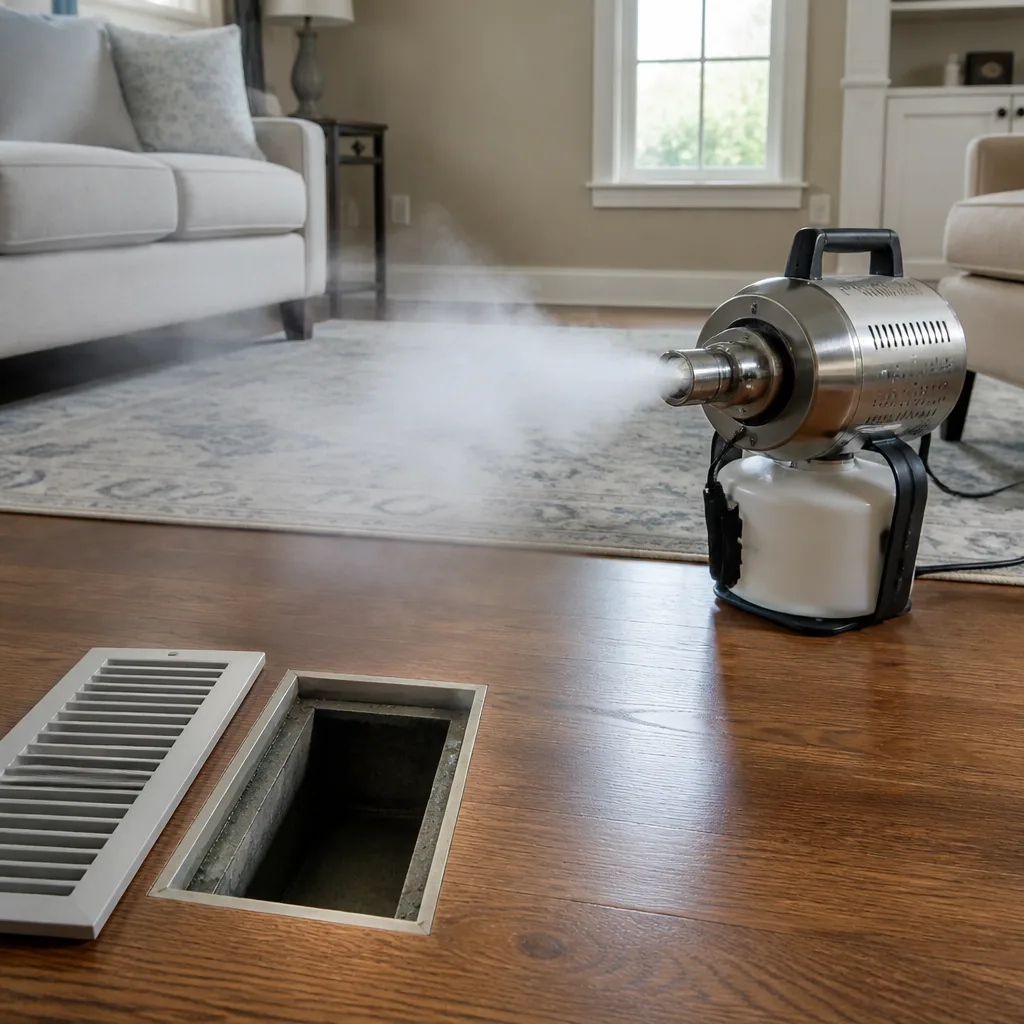 Sanitizing & deodorizing
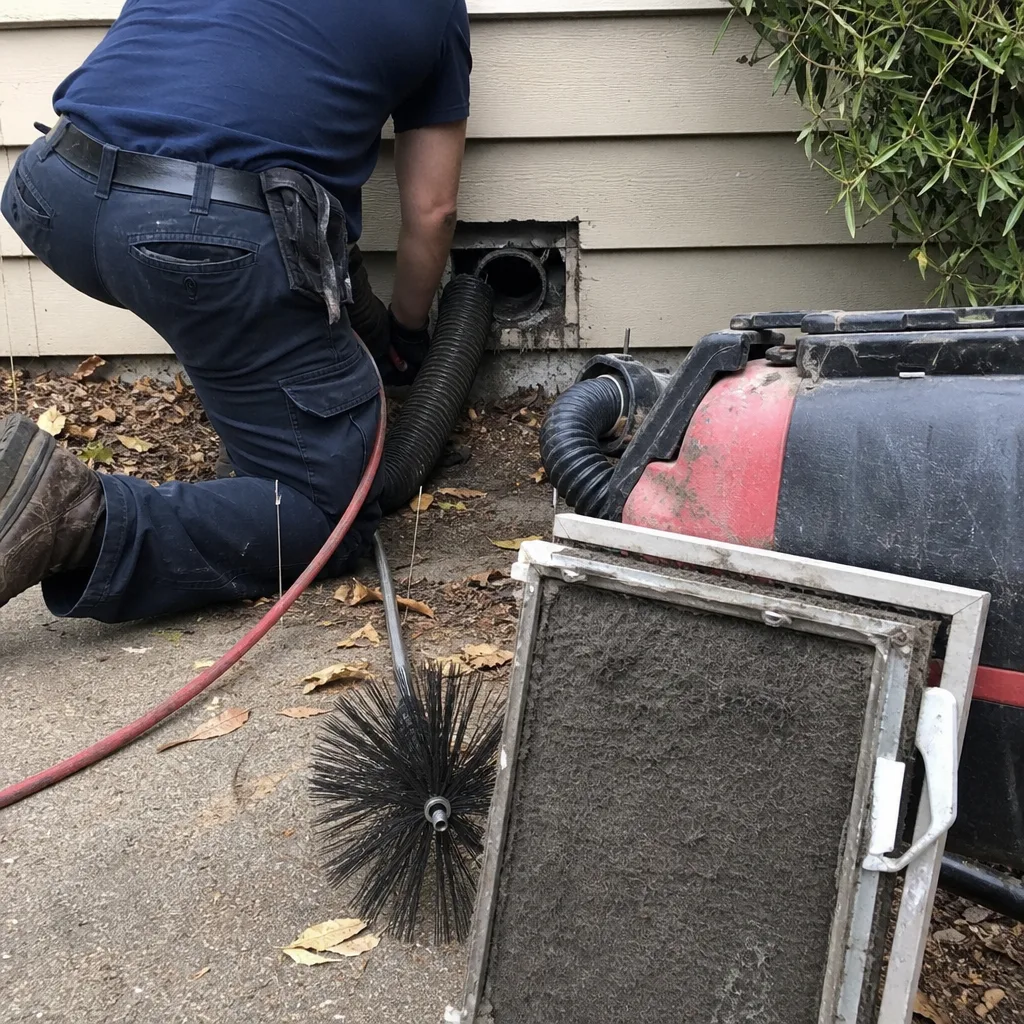
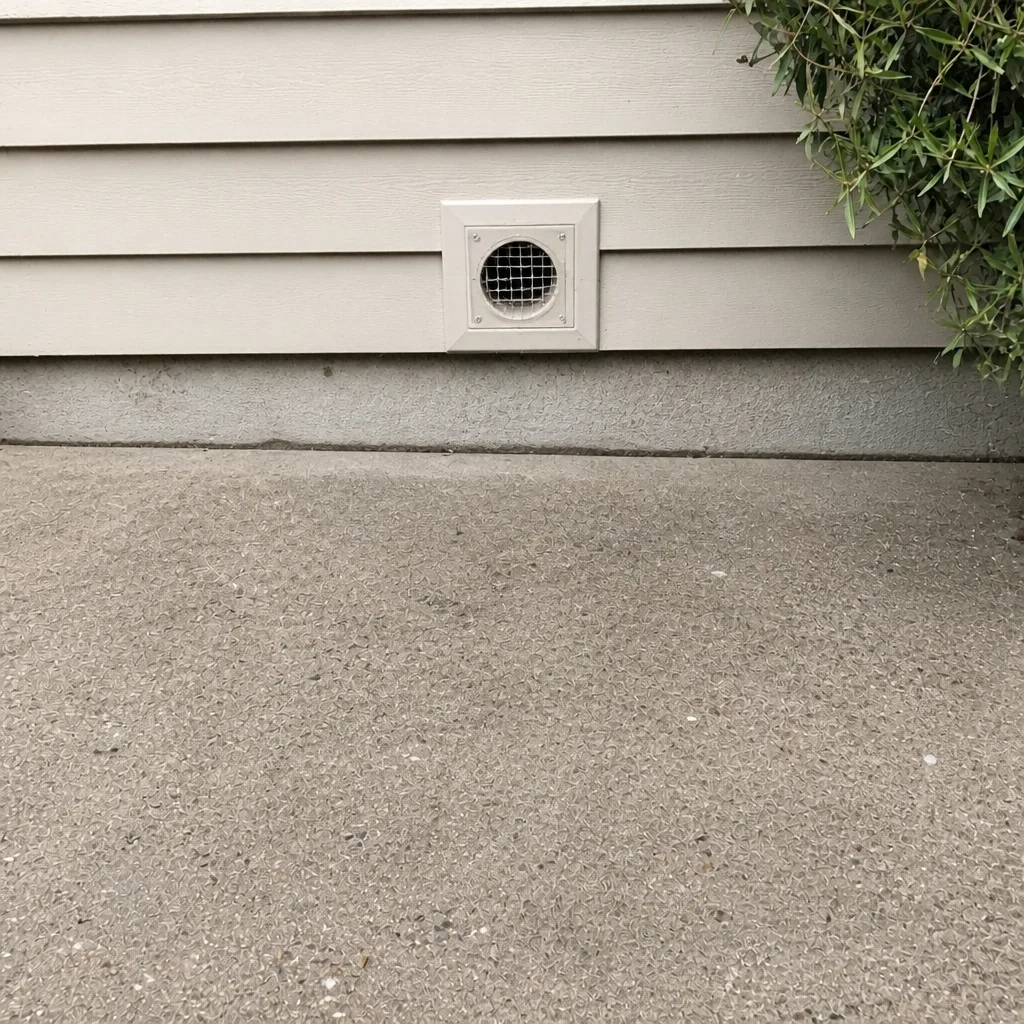
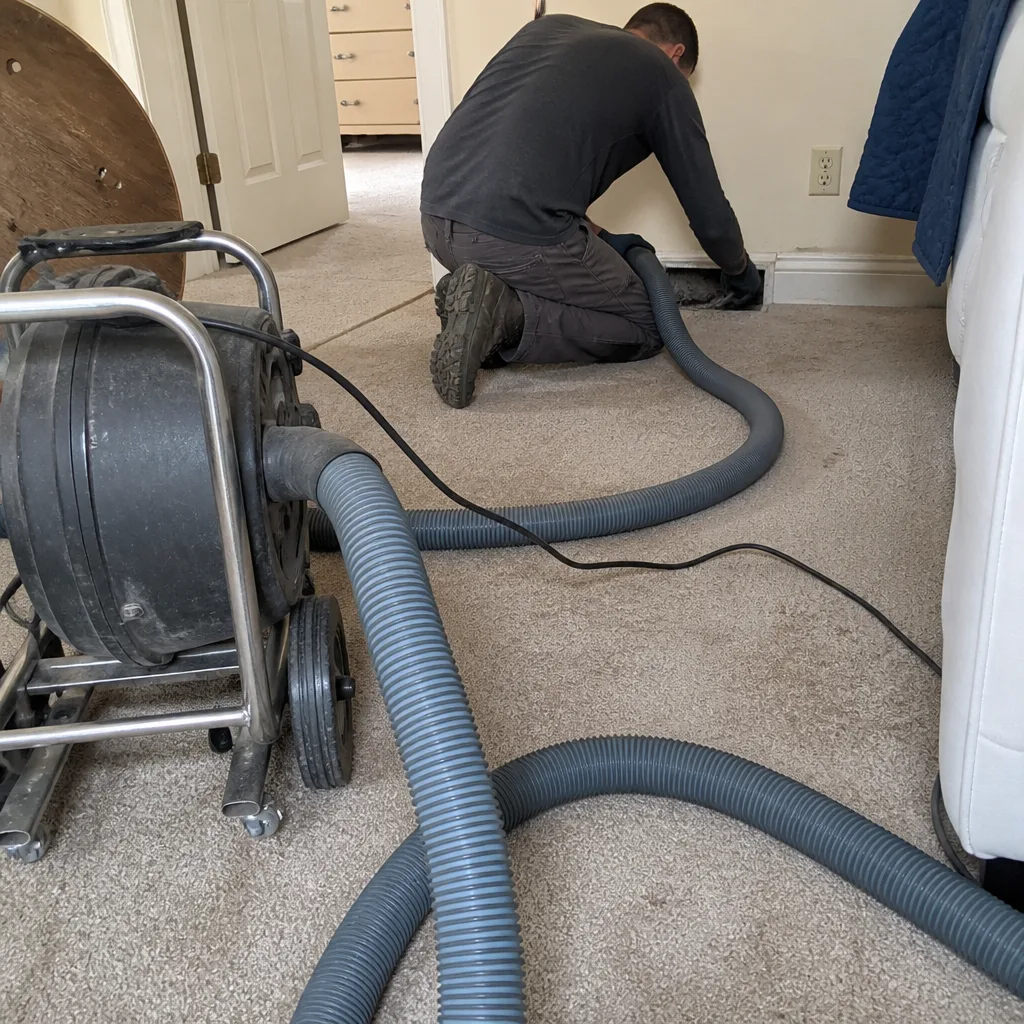
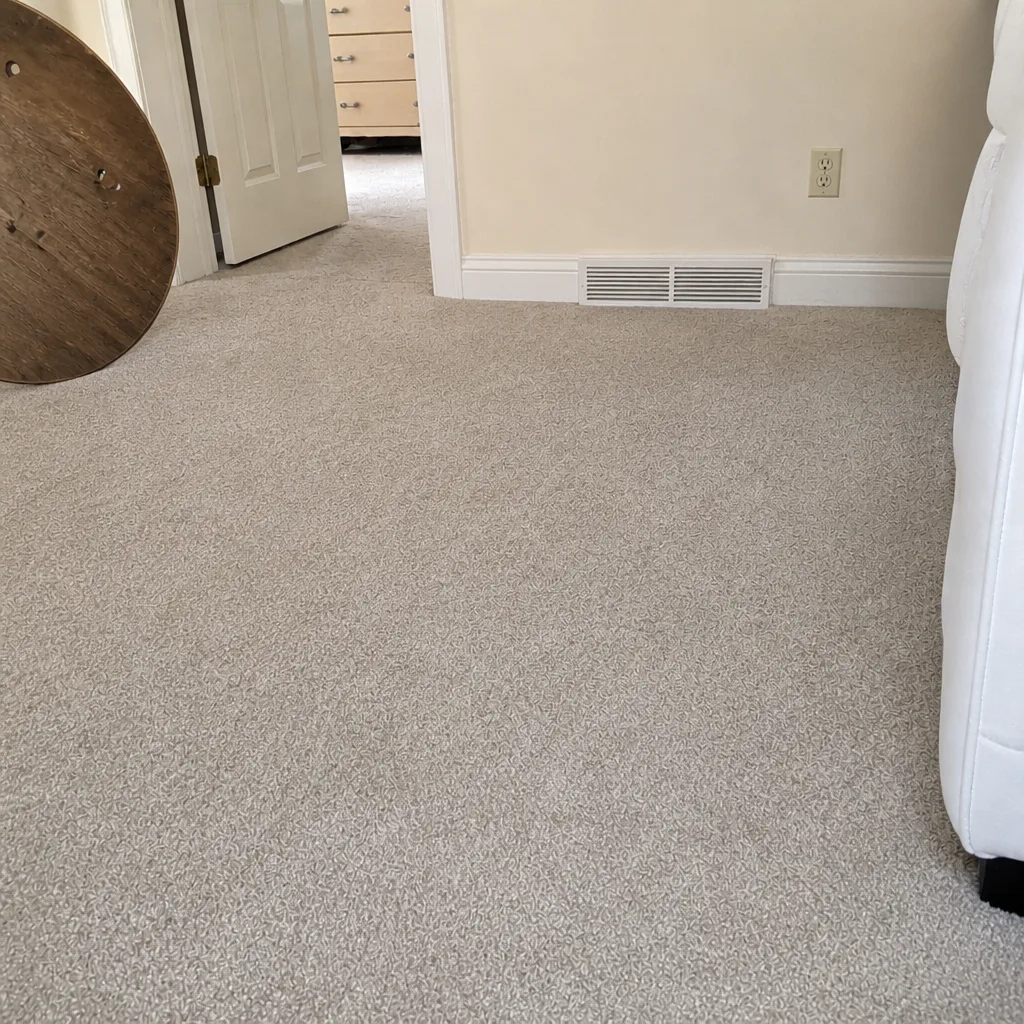
Whole-system duct and dryer vent check with before-and-after photos - you see exactly what came out of your vents
That "$99 whole-house special" is a bait ad - the real number appears once they are in your hallway, or the "clean" is a shop-vac at the register. We photograph the inside of your ducts before and after instead.
Air Duct Cleaning Emergency Preparedness Guide for Hillsboro Homes
Most homeowners treat duct cleaning as a maintenance item on a list they’ll get to eventually. That thinking falls apart the moment a discrete event hits: a week of wildfire smoke, a burst pipe that floods the return plenum, or a kitchen remodel that fills every return with drywall dust. The counterintuitive part is that the danger isn’t the smoke you see outside or the water you mop up. It’s what settles into the ductwork and stays there after the event is over. This guide lays out a pre-event and post-event protocol for Hillsboro homes, so you’re not improvising in the middle of a crisis. We’ll cover what to do before, what to inspect after, and why standard cleaning cycles often miss what an acute event leaves behind.
Quick Answer
Air duct cleaning after an acute contamination event in Hillsboro (wildfire smoke, flooding, or heavy renovation dust) needs a different approach than routine maintenance cleaning: you inspect first, confirm what type of contamination you’re dealing with, then use HEPA-rated extraction that captures sub-micron particles rather than blowing them back into living space. Standard shop vacuums and entry-level residential tools can’t capture the fine particulate that smoke and post-flood debris leave in duct linings, which is why a professional inspection and contamination-aware cleaning matters after an event.
Styles & brands we work with
- Whole-home duct cleaning
- Dryer vent cleaning
- Camera inspection
- Sanitizing & deodorizing
Table of Contents
- Pre-Event Protocol: Preparing Your Ducts Before Smoke or Flooding Hits
- Assessing Contamination After an Event vs. Gradual Accumulation
- Wildfire Smoke Particulate and Why Standard Vacuums Fall Short
- Post-Flood Duct Response: The 48-to-72 Hour Window
- Post-Renovation Dust Loading and What to Do Next
- Documenting the Cleaning for Insurance and Future Records
- Common Mistakes to Avoid
- When to Call a Professional
- Frequently Asked Questions
Pre-Event Protocol: Preparing Your Ducts Before Smoke or Flooding Hits
The biggest factor in how much contamination lands in your ducts during an event is what you did in the 24 to 48 hours before it. Homes that have a plan come out with drastically less debris in the system. Homes that run the HVAC as normal during a smoke event pull the smoke inside and distribute it through every supply register.
Here’s the pre-event sequence we recommend for Hillsboro homes, particularly on the west side and in the Tualatin Valley where smoke from regional fires can settle in the basin for days.
- Upgrade your filter before fire season, not during it. Step up to a higher MERV rating on your return filter when your system’s blower can handle it. A Honeywell or Aprilaire filter cabinet makes a higher-MERV filter easy to swap and keeps the pressure drop within your system’s design range. Ask a technician to confirm your system can handle the upgrade.
- Seal obvious return leaks. A return duct with a gap at a joint pulls unfiltered air from an unconditioned space straight into the system. During smoke, that means you’re bypassing the filter. Foil tape on accessible joints is a temporary stopgap; permanent sealing is a repair task.
- Know your system’s shutoff threshold. When local air quality index readings hit the “unhealthy” or “hazardous” bands and stay there, running the fan continuously circulates smoke particulate throughout the house. The safer approach is to run the system on low or shut it off and rely on a portable air cleaner in the room you’re using until the smoke clears. Know this threshold before the smoke arrives, not after.
- Budget a filter replacement after the event. Smoke events load filters fast. Expect to change the filter once the event clears regardless of the hours on it.
- For flood scenarios, know where your return grilles sit relative to floor level. A flooded room with low return grilles is a different problem than one with ceiling returns. Having that noted before anything happens shortens the response.
None of these steps are expensive. The point is to have them decided in advance. When a smoke event hits, hardware stores sell out of filters within hours. When a pipe bursts at 2am, you don’t want to be reading your HVAC manual.
Assessing Contamination After an Event vs. Gradual Accumulation
Routine cleaning addresses gradual accumulation: dust, hair, pet dander, and general debris that build up over years. Event-driven contamination is different in pressing and character. Smoke leaves fine soot and ash particulate that clings to duct walls and insulation. Flooding leaves moisture and organic material that can develop into mold within days. Renovation leaves gypsum dust and sawdust that’s often heavier than typical household debris and clings differently.
Inspection priorities shift accordingly:
- After wildfire smoke: Check return duct interiors for visible soot residue, check filter condition (loaded filters are a sign the system pulled smoke), and check for odor traveling through the system when the fan runs. Smoke odor inside the ducts is the clearest indicator that the system has been contaminated, not just the filter.
- After flooding: Check for moisture in the ducts first, then check for visible biological growth on duct interior surfaces and lining. Any evidence of moisture in the return plenum after flooding is an immediate inspection trigger. Drying the room is not the same as drying the ducts.
- After renovation: Check for construction dust settling in supply registers, check whether the contractor capped the registers during demo (many don’t), and check filter loading. Post-renovation ducts typically show dust concentration in the first few supply runs closest to the mechanical room.
- Gradual accumulation (no discrete event): Assess overall system cleanliness, airflow performance, and whether the ducts have been serviced in the past several years. This is a maintenance inspection, and the urgency is lower.
The assessment step matters because it determines which method gets used. A system loaded with fine smoke particulate needs HEPA-rated extraction that can capture fine particulate. A system with heavy renovation debris needs contact cleaning to agitate packed dust off the duct walls first, then extraction. If you skip the assessment and go straight to a cleaning, you’re guessing at which technique the job needs.
Wildfire Smoke Particulate and Why Standard Vacuums Fall Short
Wildfire smoke carries PM2.5, particles small enough that standard residential vacuums and entry-level cleaning tools can’t reliably capture them. Most shop vacuums capture to around 1 micron, and many of the particles in smoke are well below that. Running a standard vacuum on a contaminated duct during or right after a smoke event can actually make indoor air quality briefly worse, because the vacuum agitates fine particulate without a filter media fine enough to hold it.
This is where the equipment tier matters. Professional duct cleaning after a smoke event requires two things working together: a mechanical method that dislodges debris from duct surfaces, and a HEPA-rated capture method that holds the fine particulate while it’s airborne.
We use a two-step approach on every duct cleaning job:
- Rotobrush rotary contact cleaning agitates debris off the duct walls with a rotating brush head. This is the step that physically contacts the duct surface and lifts what’s clinging to it.
- Nikro HEPA vacuum extraction captures the debris that’s now airborne, at HEPA-rated filtration so it doesn’t recirculate into living space. For higher contamination-control standards, we bring in Abatement Technologies containment equipment, which is the same category of gear used in remediation work.
The combination is what makes post-smoke cleaning effective. Contact cleaning alone loosens debris without capturing it. HEPA extraction alone won’t dislodge smoke particulate that’s bonded to duct lining. Together they cover both sides of the problem.
If you’re cleaning after a smoke event, understand that the duct cleaning is only part of the response. The filter and the portable air cleaner in the main living space are the other two. Ducts are the delivery system; if the ducts are contaminated, the system is contaminated. Get all three handled, and indoor air quality recovers meaningfully faster than tackling one at a time.
Post-Flood Duct Response: The 48-to-72 Hour Window
Water in a duct system is a mold risk with a deadline. The 48-to-72 hour window after a flood event is the critical period. After that, a small amount of moisture in the return plenum can turn into visible biological growth on duct lining, and that’s a much harder problem than drying a duct that’s still moist.
Here’s the post-flood sequence for ducts:
- Shut the HVAC system off as soon as water is confirmed near the mechanical system. Running a blower through a wet plenum distributes moisture through the entire duct run. It’s the single most common mistake we see post-flood.
- Dry the room and the surrounding structure first. Drywall and subfloor drying is the priority, so the duct moisture has somewhere to go. A wet room keeps a wet duct wet.
- Inspect the duct interior within the window. Visual inspection of the return plenum and supply runs for moisture and biological growth. If the duct lining is wet, it needs to be dried or replaced, not just cleaned.
- Clean after drying, not before. Cleaning a still-wet duct can spread contaminants without removing the underlying moisture. Dry first, clean second.
- Repair compromised sections. Flooding often compromises duct sections at low points where water pooled. Duct repair capability means the compromised section is fixed on the same visit rather than referred to another contractor while the clock runs.
Drying alone is not enough without inspection. A homeowner can dry the room and think the problem is solved, when moisture is sitting in the return plenum and the system is running through it. When ducts are involved, inspection comes first, and the 48-to-72 hour window is where the inspection decision lives.
Homes in lower-lying areas of the Tualatin Valley and near creek drainages see higher flood stakes after heavy winter rain. If your home is in one of those areas, having a duct inspection on the post-flood checklist is worth the effort even if the water looks minor in the living space. Water travels.
Post-Renovation Dust Loading and What to Do Next
Renovation dust is an under-discussed contamination event, and it follows the same rules as smoke and flooding: act before the dust spreads. Gypsum dust from drywall work, sawdust from framing, and silica dust from concrete cutting all settle in different ways. Drywall dust is especially fine and tends to travel through a system quickly, depositing in supply runs and behind supply registers.
The step most homeowners miss is capping registers before demo. Many contractors seal off the work area with plastic but don’t seal the supply and return registers inside the work area. That means the system pulls all that fine dust into the plenum during the renovation, and it stays there after the plastic comes down.
After a renovation, this is the sequence:
- Replace the filter immediately. Renovation dust loads filters faster than anything else in a home’s normal life. A filter that was clean before demo is likely loaded afterward.
- Check supply registers for settled dust. Remove the covers and look inside. Heavy dust on the first few inches of the supply run is a sign that renovation dust went into the system.
- Look for dust in the return plenum. This is the highest-concentration spot. If dust is visible in the plenum, contact cleaning plus HEPA extraction is the right response.
- Address it within a few weeks. Renovation dust is heavy; it settles but doesn’t disappear. The longer it stays, the more thoroughly it bonds to duct surfaces, and the harder it is to remove.
For larger renovations, particularly full remodels or additions, the duct cleaning step is close to guaranteed as a needed service after the job. Plan it as part of the renovation close-out, not as something to get to eventually.
We repair what we find. A compromised duct joint or a torn flexible run discovered during post-renovation cleaning can be fixed on the same visit rather than scheduled separately. That keeps the airflow verification in a single step and avoids a second disruption to the house.
Documenting the Cleaning for Insurance and Future Records
Post-event cleaning is worth documenting, whether or not you expect to file an insurance claim. Documentation serves two purposes: it supports a claim if you’re making one, and it establishes a baseline for future HVAC service records. Both matter, and the time to capture it is during the cleaning, not weeks later.
Here’s what to capture:
- Before-and-after photos of your own ducts. A reputable cleaner can show you before-and-after images from your system, not from a stock gallery. Keep copies.
- The written estimate and the written invoice. Both should describe the work performed. For an insurance submission, an invoice that names the contamination event (smoke, flood, renovation) and describes the cleaning method carries more weight than a generic receipt.
- Filter model and MERV rating used. Useful if you’re upgrading filtration and want a record of what your system is running.
- Any duct repairs performed. Repairs to compromised sections should be documented with what was repaired and where.
- Airflow verification. A cleaning that claims to improve airflow should measure it. Airflow you can measure is the difference between a claim and a confirmation.
- Date and event reference. Note the date of the event (the specific smoke week, the day the pipe burst, the start of demo) alongside the cleaning date. This is the record that connects the cleaning to the event when a claim or an HVAC service log needs it later.
The documentation habit is what separates a cleaning from a service record. A future HVAC technician who services the system in three years will benefit from knowing a post-flood cleaning and repair happened, and what was found. It’s a small effort that pays off in less guesswork later.
For homeowners comparing quotes, ask a prospective cleaner how they document their work. A company with professional-grade equipment and a documentation protocol is a different category of service than a company offering a coupon-driven blowout. The coupons are cheap for a reason; the work they cover is often just the surface.
Common Mistakes to Avoid
- Running the HVAC during a smoke event with the fan on high. Circulating smoke through the system distributes particulate through every room. During a hazardous AQI stretch, low fan speed or system off, with portable air cleaning in the main room, is the safer play.
- Skipping the filter swap after a smoke event. A loaded filter is a sign the system pulled smoke. Skipping the swap lets restricted airflow stress the blower and leaves the particulate trapped in the ductwork.
- Drying a flooded room without inspecting the ducts. Water moves to low points, and ducting has low points. Drywall looks dry while the return plenum is wet. Inspection is the step that catches this.
- Letting renovation dust sit for months. Dust that stays bonded to duct lining is harder to remove later. Cleaning within a few weeks of renovation close-out is easier than a deep cleaning a year later.
- Hiring on price alone after an event. The cheapest post-event cleaning is often a blowout with entry-level equipment that can’t capture fine particulate. Ten minutes on the phone about equipment and method is worth more than the savings.
- Not asking for before-and-after photos of your own system. If a cleaning company won’t show you images from your ducts before and after, that’s a sign they do not document the work.
- Treating the dryer vent as a routine item rather than a fire-safety one. Post-event, the dryer vent is often the last thing on the list, but lint blockage is a measurable fire risk. If the home has been through a flood or renovation that affected the vent run, have the vent checked alongside the ducts.
When to Call a Professional
Some duct situations are DIY-friendly; event-driven contamination usually isn’t. Call a professional when smoke odor is traveling through the supply registers after a smoke event, when flooding reached the mechanical system or the return plenum, when renovation dust is visible inside the supply runs or the return plenum, or when a system has sat with water in it for more than 48 hours. Those situations include contamination finer or deeper than a shop vacuum can address, and the equipment required is HEPA-rated extraction, not a residential vacuum.
Duct Cleaning Hillsboro offers free estimates in Hillsboro. Call (866) 810-7564. We answer 24/7. Fast dispatch from 7am to 7pm, Sunday through Friday. Our technicians have up to 9 years of experience, and we use professional-grade air duct cleaning equipment on every job, including the two-step contact cleaning plus HEPA extraction approach that post-event cleaning requires.
Frequently Asked Questions
Schedule the cleaning within a few weeks of the smoke event clearing, once you’ve confirmed smoke odor is traveling through the registers or the filter is loaded with evidence the system pulled particulate. Immediate cleaning isn’t necessary while the smoke is still present, but delay beyond a few weeks lets the fine particulate bond more firmly to duct lining and makes the cleaning harder. Call (866) 810-7564 for an exact quote; estimates are free.
No. A standard shop vacuum captures debris down to roughly 1 micron, and the fine smoke particulate that matters is smaller than that. Running a standard vacuum on contaminated ducts can agitate fine particulate without holding it, which briefly worsens indoor air quality. Professional post-event cleaning relies on HEPA-rated extraction combined with contact cleaning, which is a different tier of equipment. Call (866) 810-7564 for an exact quote; estimates are free.
Yes, if water was anywhere near the return plenum or a low point in the duct run. Water reaches places in ducting that aren’t obvious from the room, and the 48-to-72 hour mold risk window means an inspection is worth doing even when the visible damage looks minor. Drywall drying and duct drying are two separate jobs. Call (866) 810-7564 for an exact quote; estimates are free.
Smoke odor traveling through supply registers when the fan runs is the clearest indicator of duct contamination rather than filter loading. A loaded filter is a filter change; smoke odor from the registers means the system itself needs cleaning. If the odor persists after a filter change, the ducts need an inspection. Call (866) 810-7564 for an exact quote; estimates are free.
It can reduce symptoms for people with respiratory sensitivity, because removing the settled smoke particulate removes an ongoing source of indoor air contamination. Many Hillsboro homes deal with lingering effects from regional smoke events that settled in the Tualatin Valley basin. Cleaning is one step in the response alongside filter upgrades and portable air cleaning. Call (866) 810-7564 for an exact quote; estimates are free.
Most post-event duct cleaning in Hillsboro falls into whole-system pricing based on the size and configuration of your system, not per-vent pricing. We agree on one flat price per system before work starts, and the written estimate sets the final price. Be wary of unusually cheap post-event quotes; they typically use entry-level equipment that can’t capture fine smoke or flood-associated particulate. Call (866) 810-7564 for an exact quote; estimates are free.
The Bottom Line
Event-driven duct contamination is a different problem than gradual accumulation, and it needs a different response. Wildfire smoke deposits fine PM2.5 that standard vacuums can’t capture, flooding starts a 48-to-72 hour mold clock in the duct system, and renovation dust loads the return plenum faster than anything else in a home’s life. The protocol is the same for all three: prepare in advance, inspect before cleaning, use HEPA-rated extraction combined with contact cleaning, and document the work for insurance and future HVAC records. Hillsboro homes in lower-lying areas and in the Tualatin Valley basin see the highest stakes on wildfire and flood events, so having the plan is worth the modest effort. When the event hits, the response is decided, not improvised.
If you’re weighing dryer vent cleaning against duct work or booking both after an event, we can quote both in one visit. We repair what we find, we document what we clean, and we confirm airflow at the end. Clean ducts, confirmed.
Call (866) 810-7564 for a free estimate. We answer 24/7. Fast dispatch from 7am to 7pm, Sunday through Friday. Closed Saturday.
Written by the team at Duct Cleaning Hillsboro.
See the difference
 Before
 After
 Before
 After
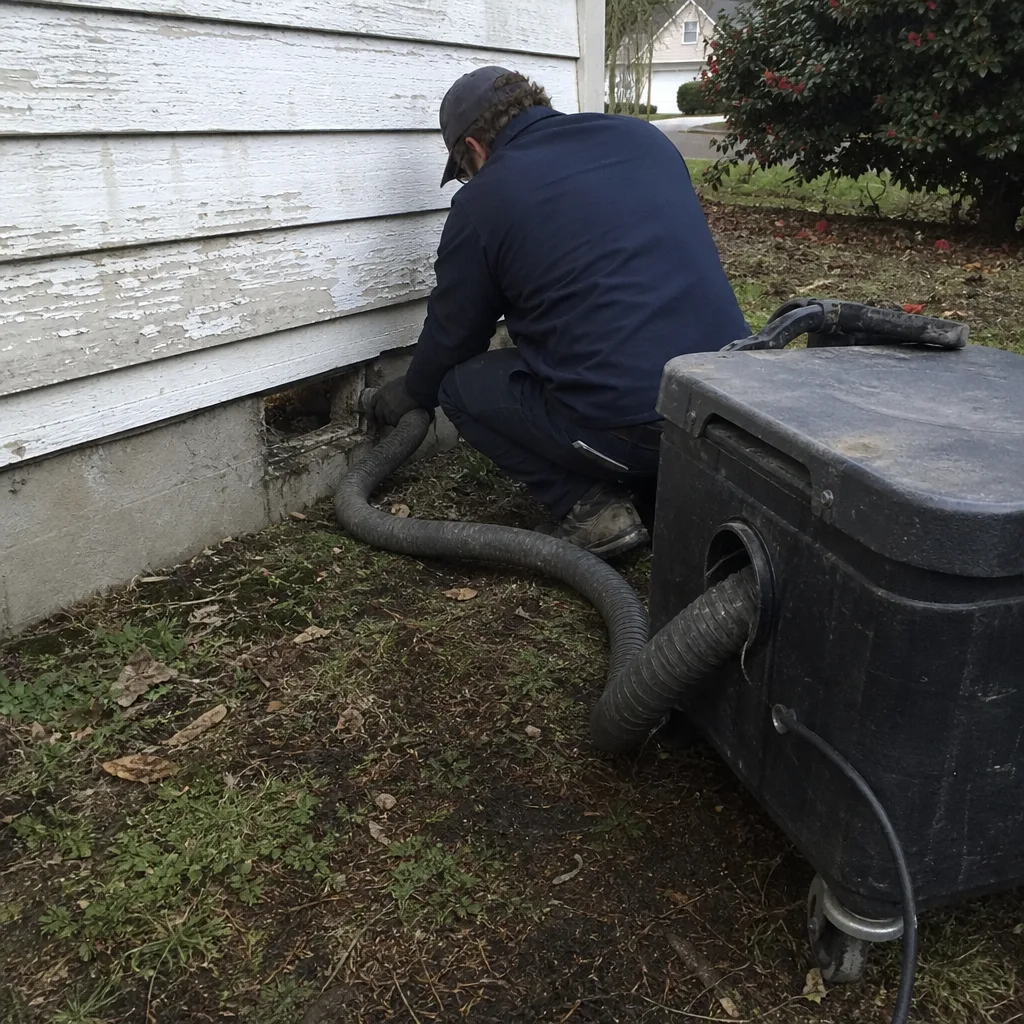 Before
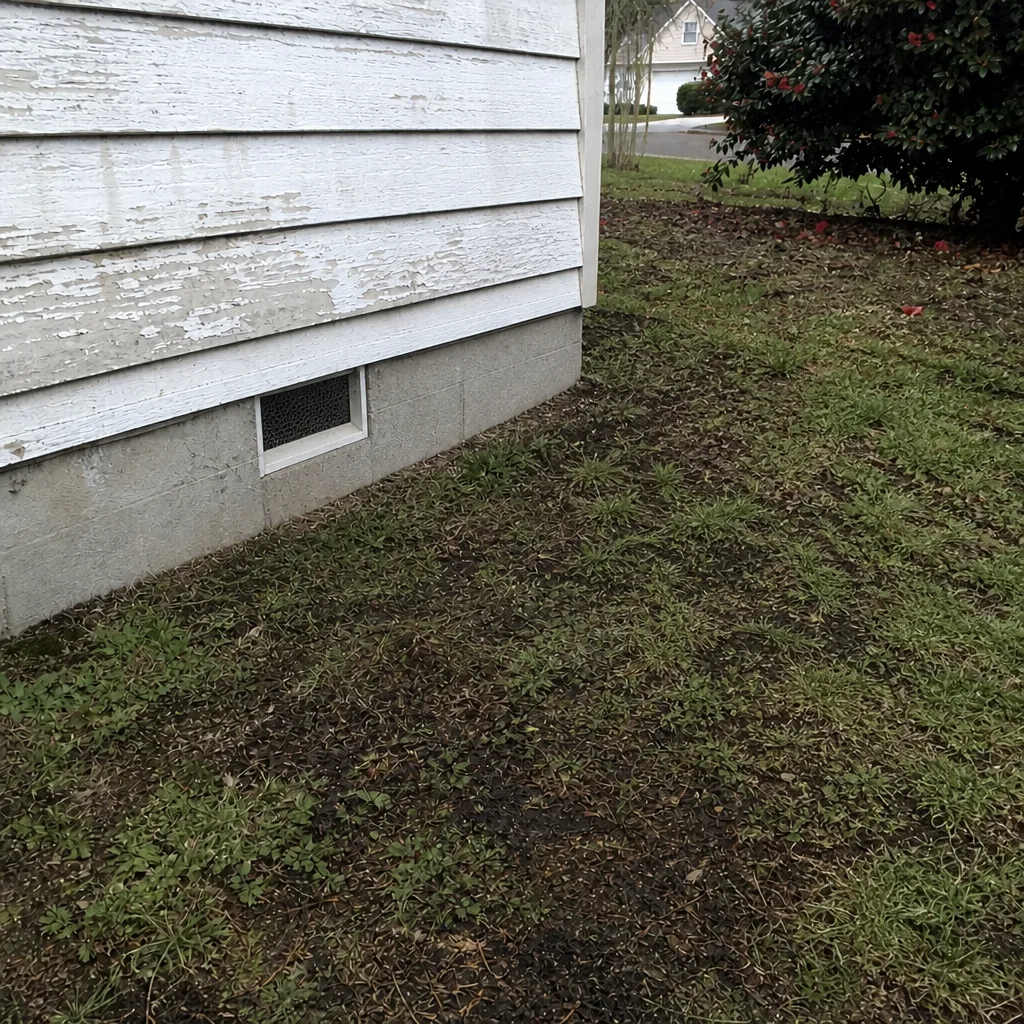 After