
Last updated November 14, 2026
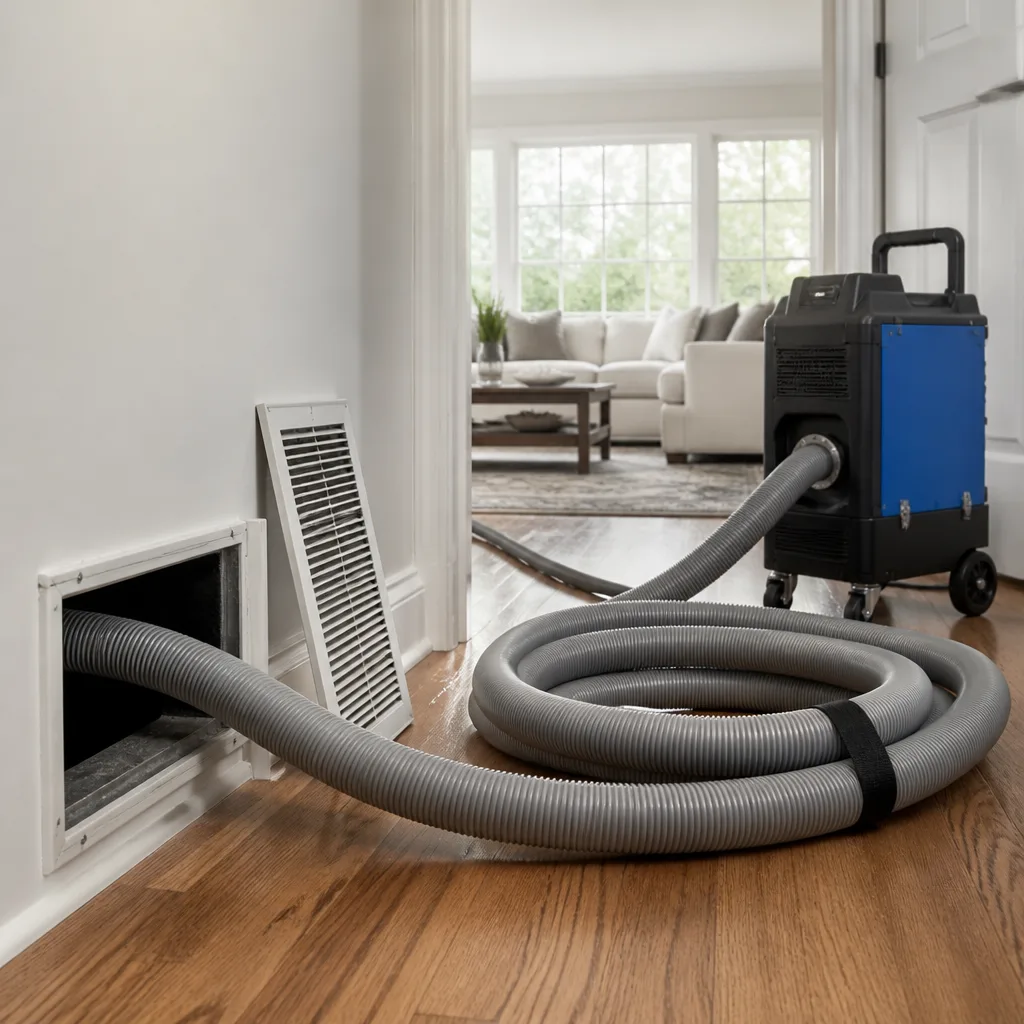 Whole-home duct cleaning
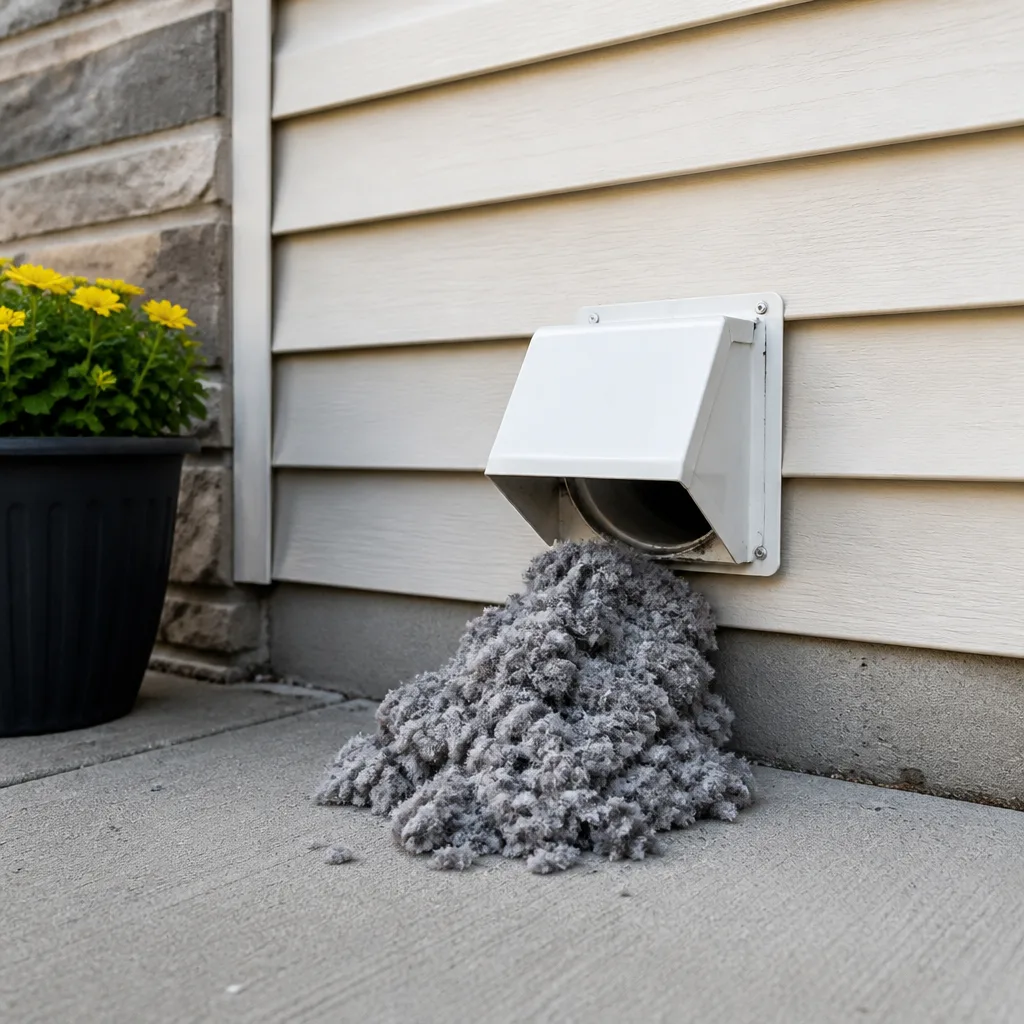 Dryer vent cleaning
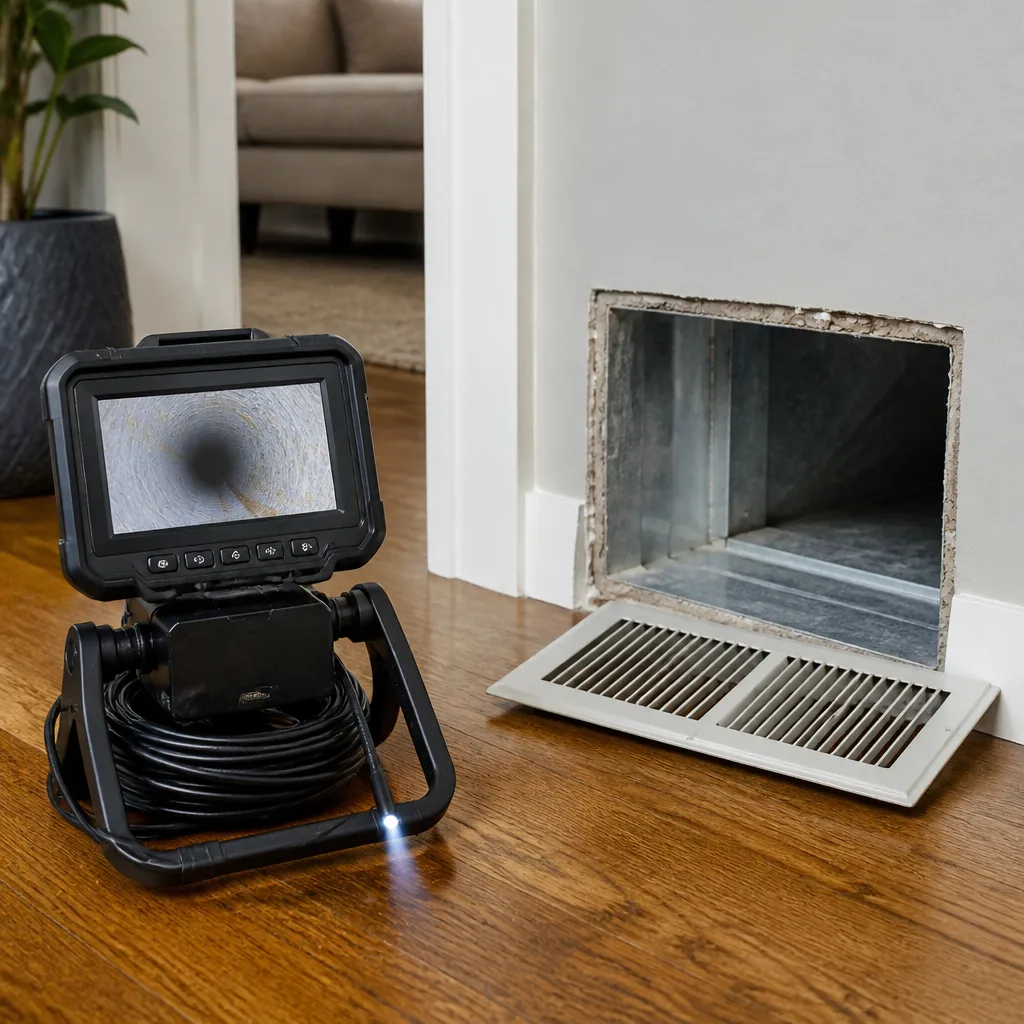 Camera inspection
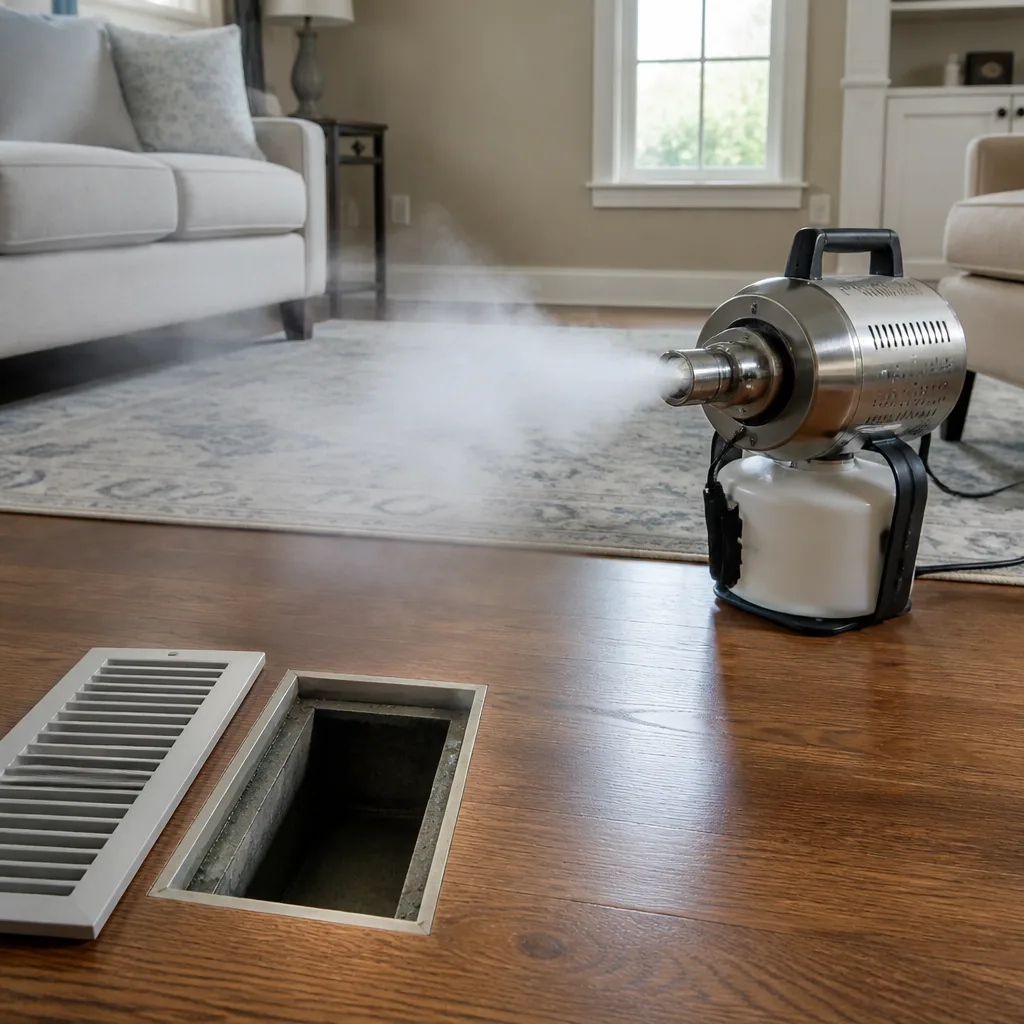 Sanitizing & deodorizing
Whole-system duct and dryer vent check with before-and-after photos - you see exactly what came out of your vents
That "$99 whole-house special" is a bait ad - the real number appears once they are in your hallway, or the "clean" is a shop-vac at the register. We photograph the inside of your ducts before and after instead.
Air Duct Cleaning Warning Signs: A Hillsboro Homeowner’s Reference Guide
Most people expect a duct problem to announce itself. A bang, a smell, something dramatic. In our experience, that’s rarely how it goes. Ducts fail quietly. A flex line sags and pinches off half a bedroom’s airflow. Dust builds on one side of a register until it forms a dark ring nobody looks twice at. The house slowly becomes “just how it is,” and everyone adjusts. This guide reframes those quiet cues as diagnostic signals. You’ll learn what each warning sign actually points to mechanically, how to test the correlation at home, and when a Hillsboro home needs a professional look inside the ductwork.
Quick Answer
The main warning signs of dirty or damaged air ducts are uneven room temperatures, visible debris patterns around registers, persistent odors tied to HVAC run time, allergy symptoms that worsen when the system runs, and filters that load up faster than they used to. In Hillsboro’s damp, cool climate, musty odors and moisture-related debris are especially common. Any two of these signals together usually mean it’s worth having the system inspected.
Styles & brands we work with
- Whole-home duct cleaning
- Dryer vent cleaning
- Camera inspection
- Sanitizing & deodorizing
Table of Contents
- Uneven Room Temperatures and Weak Airflow
- Reading the Debris Around Your Registers
- Odor Signatures: What Each Smell Points To
- Allergy Symptoms and HVAC Run Time: Testing the Link
- Filter Loading as a Measurable Proxy
- Condensation, Humidity, and Duct Sweating
- When to Call a Professional
- Frequently Asked Questions
Uneven Room Temperatures and Weak Airflow
If one room never matches the thermostat, the furnace or heat pump usually isn’t the culprit. The duct feeding that room is. In most homes we inspect in Hillsboro, temperature imbalance traces back to a partial blockage, a disconnected joint, or a collapsed section of flex duct that’s pinched or sagging. The air handler is pushing the right volume. The delivery path is choked.
Flex duct is common in residential construction around Washington County, and it has one failure mode worth understanding. When it’s poorly supported or crushed against framing, the inner liner collapses. That reduces the effective diameter, sometimes dramatically, and the room downstream gets a trickle instead of a flow. You can’t see this from the register. You have to look at the run.
Here’s how to check the correlation yourself before calling anyone:
- Close every register in the house except one, then feel the airflow at that single register. Repeat for each room.
- Note which rooms push strong air and which barely move a tissue.
- Compare that pattern to the room temperature readings you take at the same time of day over several days.
- If the weak-air rooms line up with the cold or warm rooms, the problem is in the duct run, not the equipment.
Weak airflow at a register doesn’t always mean blockage. It can also mean a leak. A leaking duct joint near the air handler loses conditioned air into a crawlspace or attic before it ever reaches the room. In our experience, Hillsboro homes with older ductwork often have both problems at once. That’s why proper air duct cleaning pairs well with a repair inspection, so you fix the leak or collapsed section the cleaning reveals. Our air duct cleaning includes that inspection as part of the job.
Reading the Debris Around Your Registers
The pattern of debris around a register tells you a lot about the source. It’s not just “dust.” Dark dust rings, fibrous material, and rust flakes each point to a different problem, and the difference matters for how the system gets cleaned and what needs fixing afterward.
Dark dust rings or soot-like staining
A dark ring around the grille or a shadow spreading on the ceiling near the register usually means fine particulate is being pushed out at the edges. That’s often the signature of a dirty duct interior where debris has built up enough that the airflow carries it to the register face. In Hillsboro’s wet months, that same fine dust can bind with elevated indoor humidity and stick harder to surfaces.
Fibrous or fuzzy material
Lint, fibers, or a gray fuzzy mat around the register points to deterioration inside the duct, usually a breaking-down flex liner or fiberglass duct board shedding. That material is not something you want moving through the air and landing on your filter and your furniture. It’s a repair signal, not just a cleaning signal, and it’s one reason we offer duct repair as a standalone service rather than referring it out.
Rust flakes or orange-tinted dust
Rust-colored debris or flakes near a register often trace back to a galvanized duct run that has taken on moisture, or a humid crawlspace environment causing condensation on cold duct surfaces. In our climate, this is worth flagging early. Where there’s persistent moisture, there’s a reason to look at the whole run, not just the visible section.
Uniform light dust
Light, even dusting around every register in the house is usually normal housekeeping. The concerning patterns are the ones that are concentrated at specific registers, dark, fibrous, or rust-colored. Those are the ones that tell you to look deeper.
Odor Signatures: What Each Smell Points To
Odors are some of the most reliable warning signs, and homeowners usually learn to ignore them first. “It always smells a little musty in here.” That’s not a personality trait of the house. It’s data. The type of smell narrows down the source quickly, and knowing which is which saves time and money when you call.
Musty or earthy smells
A musty odor that appears when the system kicks on and fades when it’s off usually means organic material is living somewhere in the air path. In Hillsboro, that’s frequently the combination of high outdoor humidity and dirt-lined flex duct feeding a mild biological growth pattern inside the ductwork. Duct cleaning with HEPA-rated extraction and proper containment is the first step. If the inspection finds an active moisture source, we’ll tell you what’s feeding it. We don’t perform mold remediation, and we won’t pretend to.
Burning or hot-dust smells
A dusty, hot smell when the furnace first runs is often dirt on the heat exchanger burning off, and it tends to clear after a few minutes. A persistent burning smell that doesn’t clear is different. Shut the system off and have a technician check the equipment. Duct cleaning doesn’t address a combustion or electrical problem, and treating it as a duct issue would be the wrong call.
Chemical or solvent smells
A smell like paint thinner, solvent, or a sharp chemical tang that’s new and tied to the HVAC system is worth investigating professionally. It might be a nearby source being pulled into the return, or a piece of equipment component degrading. Neither is something to diagnose from the register grille.
Stale, “closed-in” smells
A house that smells stale even with windows closed and no obvious source often points to a slow trickle of debris, filter bypass, or a return duct that’s under-performing and not cycling air effectively. It reads as a cleaning and airflow issue more than anything else.
Allergy Symptoms and HVAC Run Time: Testing the Link
Homeowners who suspect their ducts are making allergy symptoms worse are usually right to be suspicious, and there’s a clean way to check it. The trick is measuring against HVAC run time rather than trying to isolate every other variable at once.
In our experience, genuine duct-related sensitivity shows a specific pattern: symptoms that cluster inside the house, worsen during active heating or cooling, and improve on days the system isn’t running. That’s a different pattern from seasonal outdoor allergens that follow the calendar, not the thermostat.
Here’s a simple home test to build the correlation:
- Track symptom intensity for two or three weeks in a simple daily log.
- Note the HVAC run time for each day: normal, heavy, or off for part of the day.
- Flag the days symptoms intensified and compare them to the HVAC pattern.
- Also track a “control” room where you spend less time and compare your symptoms across rooms.
- Note any change when the filter is fresh versus mid-cycle.
A pattern that tracks HVAC run time is a meaningful signal. It’s not a diagnosis, and it’s not a substitute for medical advice. But it tells you whether the air coming out of your supply registers is worth having inspected. When homeowners in Hillsboro report this pattern, what we often find is a combination of a clogged return and a supply duct that hasn’t been touched in several years.
Filter Loading as a Measurable Proxy
If you trust only one proxy in this guide, trust this one: how fast your filter loads up. It’s the most objective signal you have, and it doesn’t require any reading between the lines.
A filter is designed to catch particles that make it into the return. When it’s loading faster than usual, that means one of two things: something upstream is releasing more debris into the return air, or the return path is under-performing and the filter is doing more work than it should. Both point back to the ducts, not the filter. Replacing a filter more often hides the problem rather than solving it.
Track it with this simple method:
- Note today’s date on the edge of the filter housing with a marker.
- Check the filter at one month and write down what you see: light gray, medium, or heavy dark buildup.
- If a filter that used to last several months is now visibly loaded in a few weeks, the duct interior is the likely driver.
- Compare the loading pattern across a full heating season and a full cooling season.
If you notice the pattern accelerating, our Duct Cleaning Hillsboro service begins with a full inspection to confirm the source. A heavily loaded filter combined with visible register debris and one cold room is what we look for as a classic duct-cleaning case. After cleaning, filter life is one of the outcomes most homeowners notice first. That’s the “airflow you can measure” part of what proper cleaning actually delivers.
Condensation, Humidity, and Duct Sweating
Hillsboro’s wet, moderate climate puts condensation on the shortlist of things worth watching, especially on duct runs that pass through crawlspaces, garages, or semi-conditioned spaces. Cold duct surfaces meeting warm, humid air form condensation, and condensation feeds everything that shouldn’t be growing in a house.
You’ll spot this most easily in cooling season or in a crawlspace. Look for dampness, darker staining on duct wrap or insulation, or a musty smell concentrated in one part of the house. Some homes also show condensation around the registers during heavy cooling, which usually points to an insulation gap on that section of duct rather than a system-wide problem.
Addressing condensation is rarely a cleaning job alone. If a duct run is soaked, cleaning without fixing the moisture source is a short-term fix. That’s why our method pairs professional-grade cleaning with containment using Abatement Technologies equipment, so debris isn’t scattered during service and moisture-related residue gets properly extracted rather than blown around.
See the difference
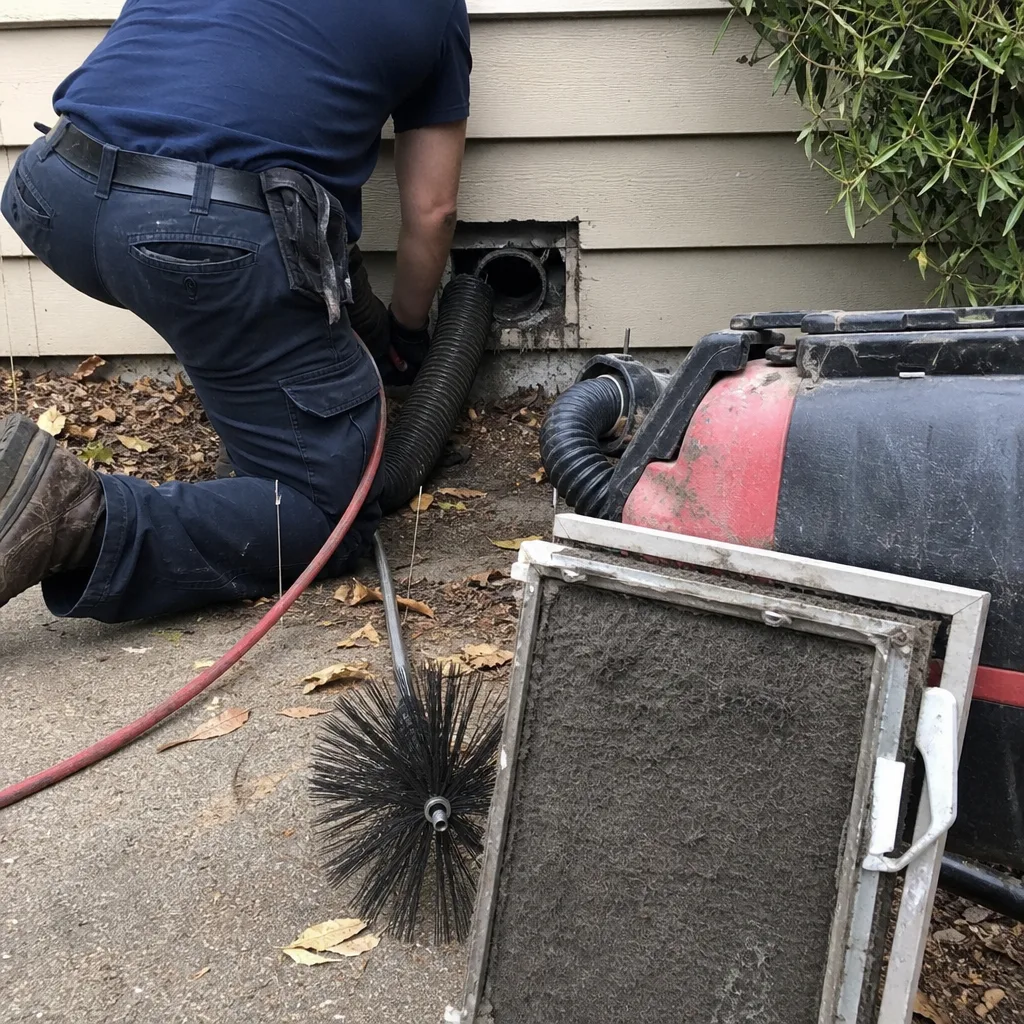 Before
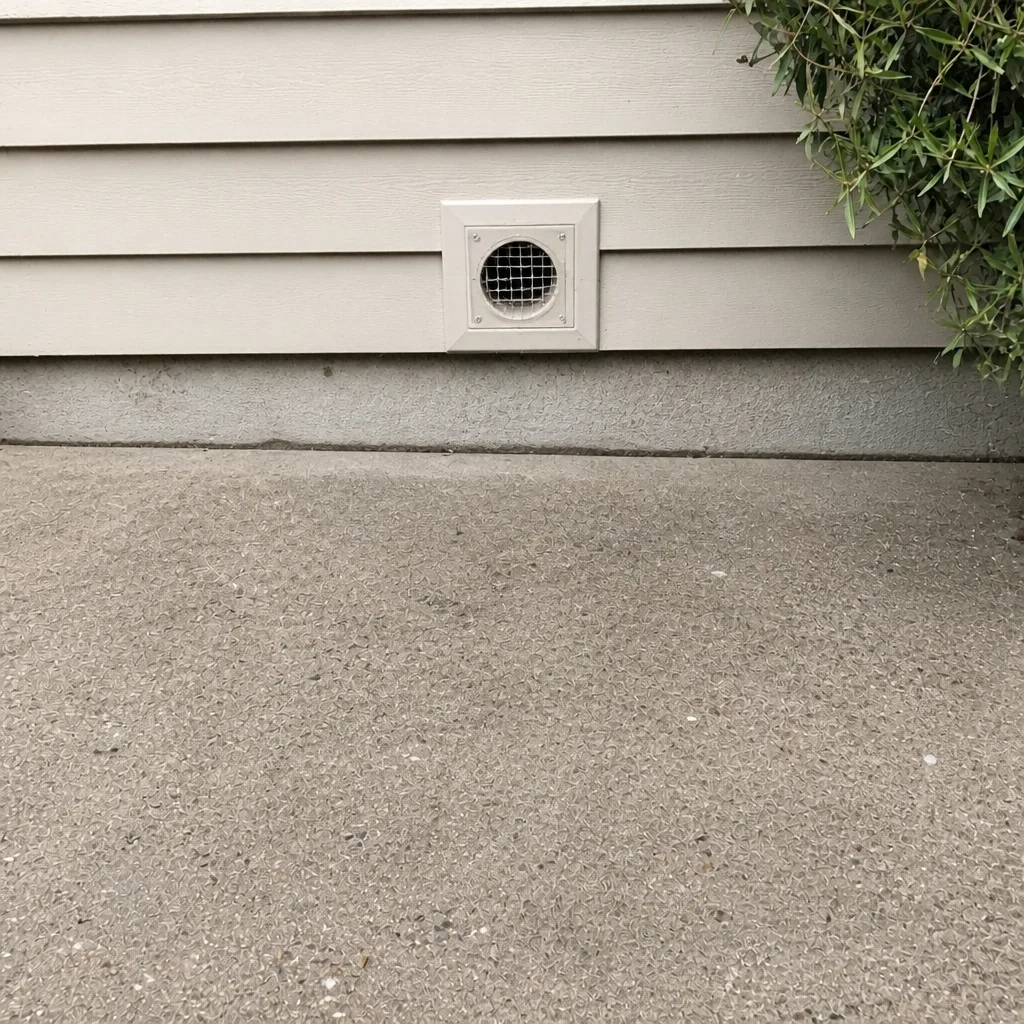 After
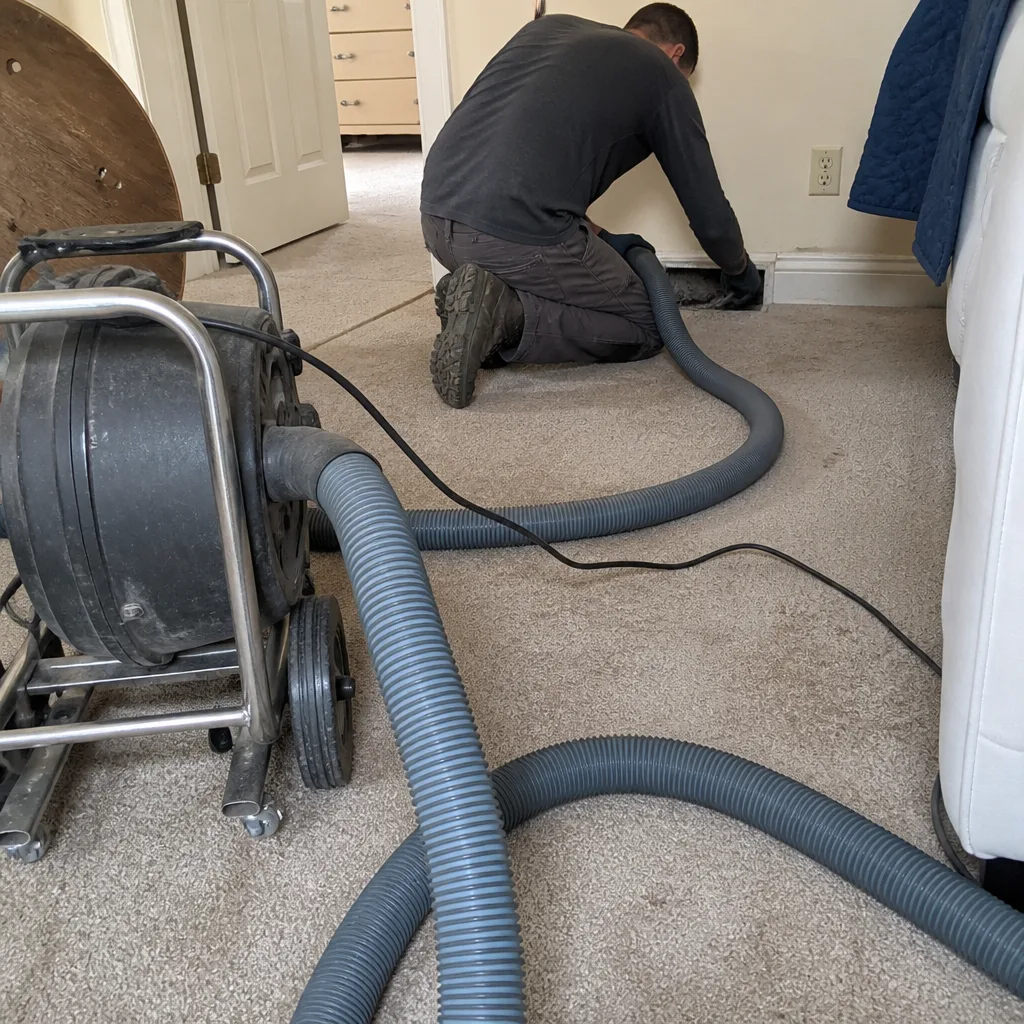 Before
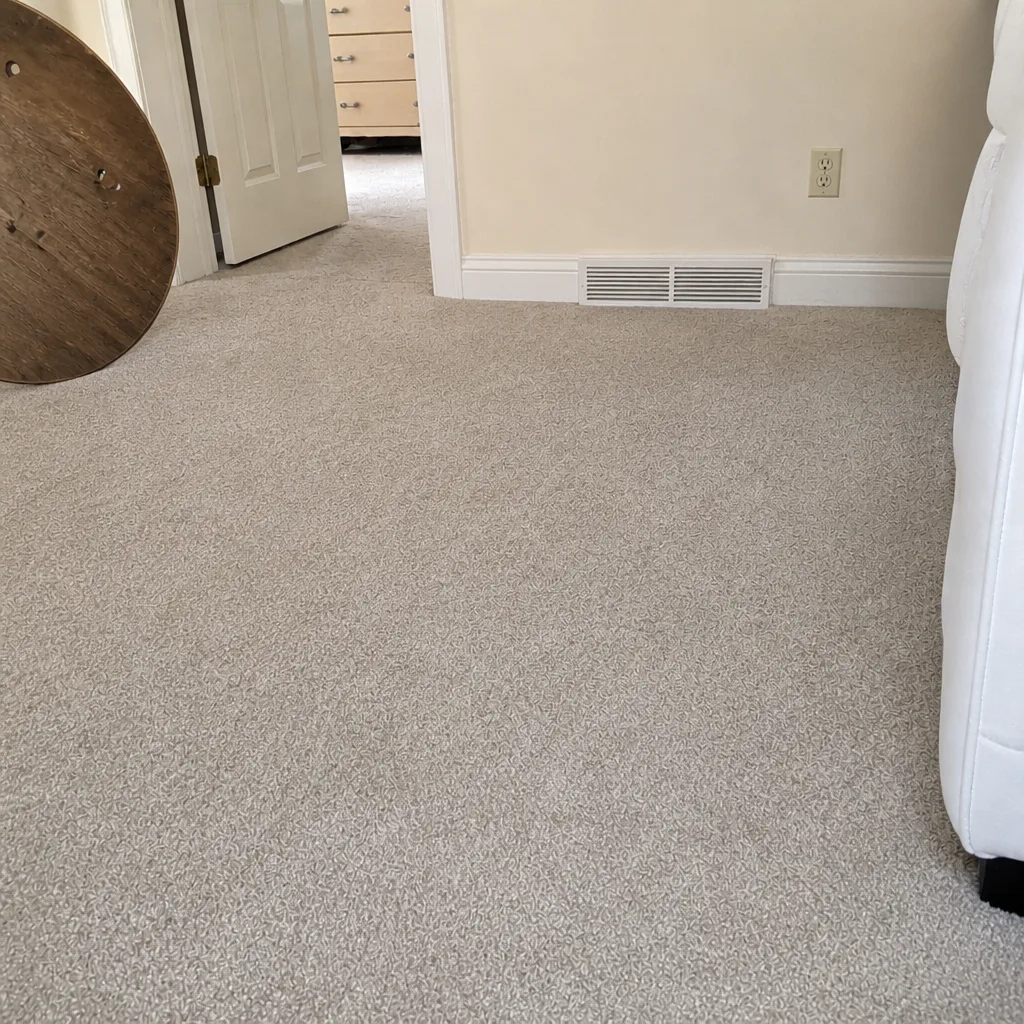 After
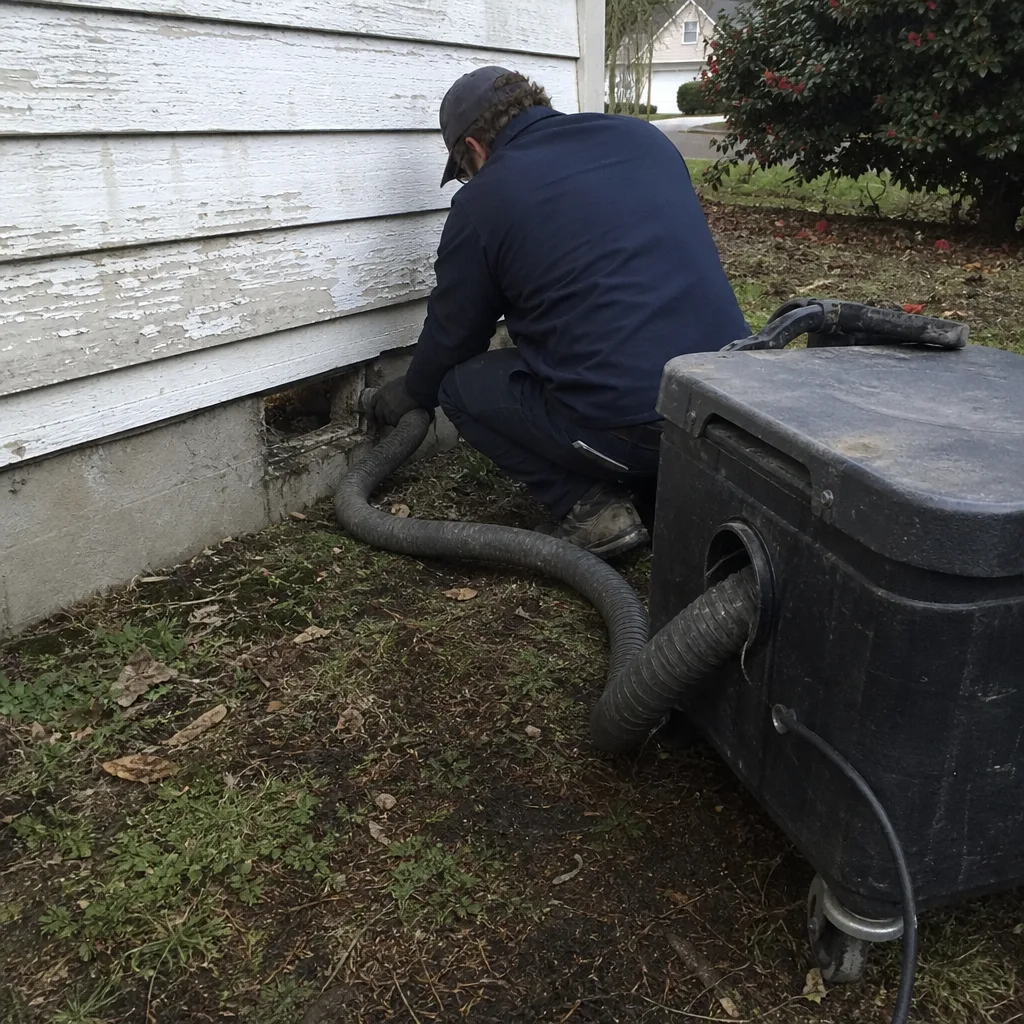 Before
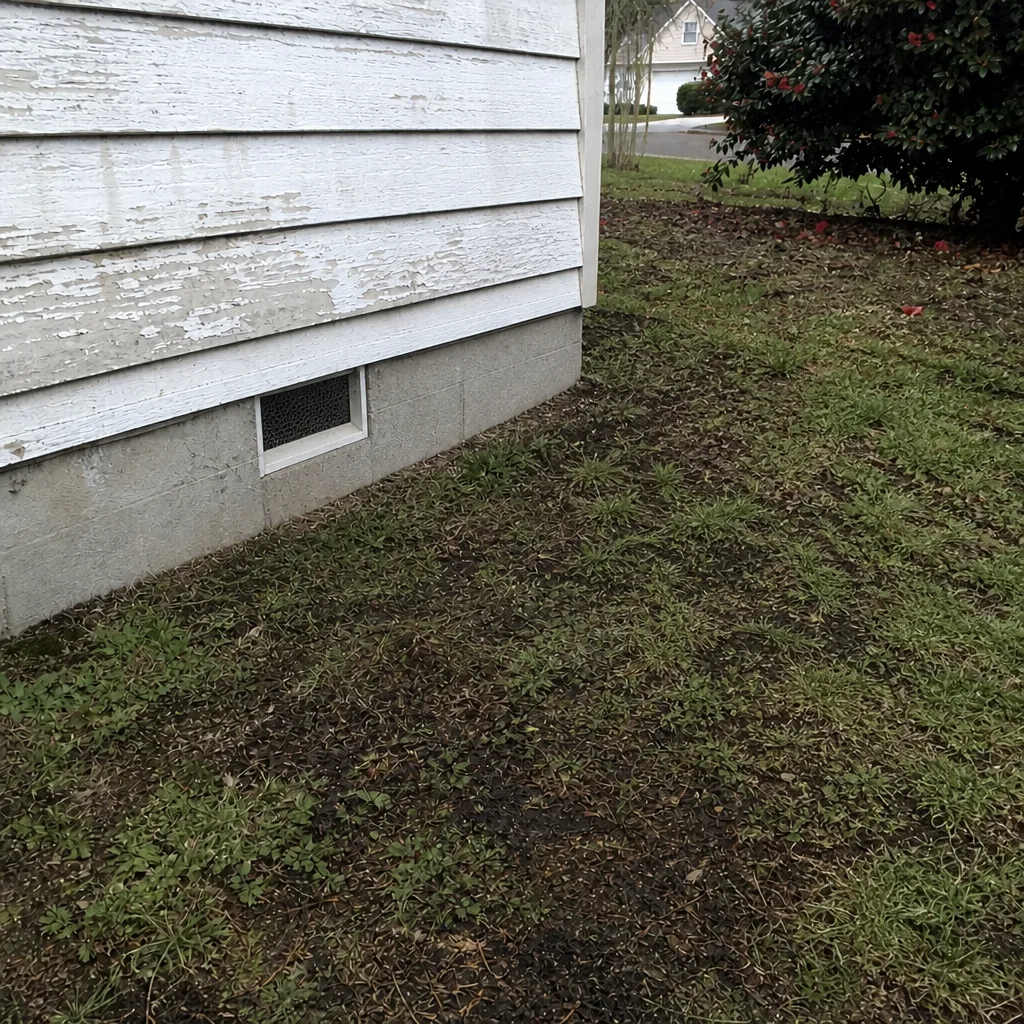 After
Common Mistakes to Avoid
- Chasing a cheap coupon price. A very low advertised price is often a per-vent teaser or a blow-through with minimal containment. In Hillsboro’s small market, a quote that’s dramatically lower than the rest is usually lower for a reason. Ask what equipment is used and whether the price covers the whole system.
- Assuming a fresh filter fixes the problem. A new filter improves the air at the return but doesn’t remove what’s already settled inside the ducts. If your filter is loading in weeks, the filter is the symptom, not the fix.
- Ignoring the cold-room problem because “the furnace is old.” A cold room doesn’t require a new furnace. It almost always requires someone to look at what’s inside the duct feeding that room.
- Letting a musty smell become background noise. A smell you can’t smell anymore is still a signal. Visitors notice what you’ve adapted to. If guests comment on the smell in a Hillsboro home, treat it seriously.
- Scheduling cleaning when a repair is what’s needed. A collapsed flex section or a disconnected joint doesn’t get fixed by cleaning. It gets worse. Make sure whoever inspects your system can repair what they find. We repair what we find, on the same visit.
- Treating dryer vent lint as routine. It’s a fire-prevention issue, and airflow verification after cleaning is a task, not a checkbox. Book it as a safety service, not as an “add-on.”
- Judging results by a before-and-after smell. The honest test is airflow, filter life, and whether the room temperatures evened out. Ask for before-and-after photos of your own ducts.
When to Call a Professional
Call a professional when you’ve identified two or more warning signs together, or when any single sign is severe. Uneven airflow plus fast-loading filters. A musty smell tied to HVAC run time plus visible debris at the registers. A dark dust ring you can’t explain. A musty smell that intensifies when the system runs. A filter that’s loading in weeks. Any of those alone is worth a look; two together is a strong case for an inspection.
Also call when you’re not sure. Our technicians have up to 9 years of experience reading these systems, and a trained eye picks up what homeowner observation can miss. Duct Cleaning Hillsboro offers free estimates in Hillsboro. Call (866) 810-7564. We answer 24/7. Fast dispatch from 7am to 7pm, Sunday through Friday. We’ll come out, inspect the system, and give you a written estimate before any work begins.
Frequently Asked Questions
You need to look for two or more of these signals together: uneven room temperatures, visible dark or fibrous debris at the registers, musty or stale odors tied to HVAC run time, allergy symptoms that worsen during heating or cooling season, and filters that load faster than they used to. Any one severe sign is also worth a professional look. In Hillsboro’s wet climate, musty odors are especially common and often follow a moisture issue in the duct run. Call (866) 810-7564 for a free estimate and a proper inspection.
Pricing is set per job by written estimate, and the estimate is free. Because the cost depends on system size, duct configuration, and what the inspection finds, we quote based on your specific home rather than advertising a per-vent price. The dishonest route in this industry is a teaser price that becomes a bigger invoice on site. We quote the whole system, agree the price before work starts, and hold to it. Call (866) 810-7564 to schedule an estimate.
Cheap quotes often reflect less equipment or less scope. A blow-through with minimal containment doesn’t remove what’s loosened; it redistributes it. Professional-grade cleaning uses contact agitation plus HEPA-rated extraction and containment, which is a bigger job to do properly. In our case, that means Rotobrush rotary contact cleaning combined with Nikro HEPA vacuum extraction, and Abatement Technologies containment equipment where contamination is higher. Comparing quotes is fine. Compare the process too. Call (866) 810-7564 for an honest explanation of what we’d do in your home.
Ask for before-and-after photos of your own ducts and for an inspection of the system before and after. You should see the method, not just the invoice. If we clean using rotary contact agitation and HEPA extraction, the visible result is what the system’s registers and duct interiors look like afterward, and you should be able to look inside a register and see the difference. Call (866) 810-7564 to book a job where you can see what’s been done.
There’s no single right number. Homes with pets, recent remodeling, or ongoing allergy complaints benefit from more frequent service. Homes with steady filters, no odors, and no airflow complaints can go longer between cleanings. The better question is whether your warning signs are present. If none are, you can wait. If several are, schedule it. We encourage homeowners to call (866) 810-7564 for an honest read on whether their system needs cleaning at all.
Dirty ducts can recycle fine particulate and hold moisture-related odor, which can aggravate sensitivity in some people, especially when the system is running a lot in heating and cooling season. It’s not a medical diagnosis, and if symptoms worsen you should see a doctor. But if you notice a pattern that tracks HVAC run time in your home, the ducts are worth inspecting. Call (866) 810-7564.
The Bottom Line
The most useful warning signs in this guide are the quiet ones. Uneven room temperatures, dark or fibrous debris at particular registers, musty or burning odors tied to HVAC run time, allergy patterns that track heating and cooling season, and filters that load up faster than they used to. Each one has a mechanical reason behind it, and reading them as data rather than as “just how the house is” usually saves money and time. If two or more of these signs are present in your Hillsboro home, get a proper inspection. The Hillsboro market has plenty of quick-cleaning offers; a real inspection, with professional equipment and repair capability behind it, is worth more than the cheapest coupon you’ll see.
Contact Duct Cleaning Hillsboro for a free estimate. Call (866) 810-7564. We answer 24/7. Fast dispatch from 7am to 7pm, Sunday through Friday. We’ll inspect your system, walk you through what we find, and give you a written estimate before any work begins. For dedicated fire-prevention work on your dryer vent, see our dryer vent cleaning service. Clean ducts, confirmed.
Written by the team at Duct Cleaning Hillsboro.