
Last updated November 14, 2026
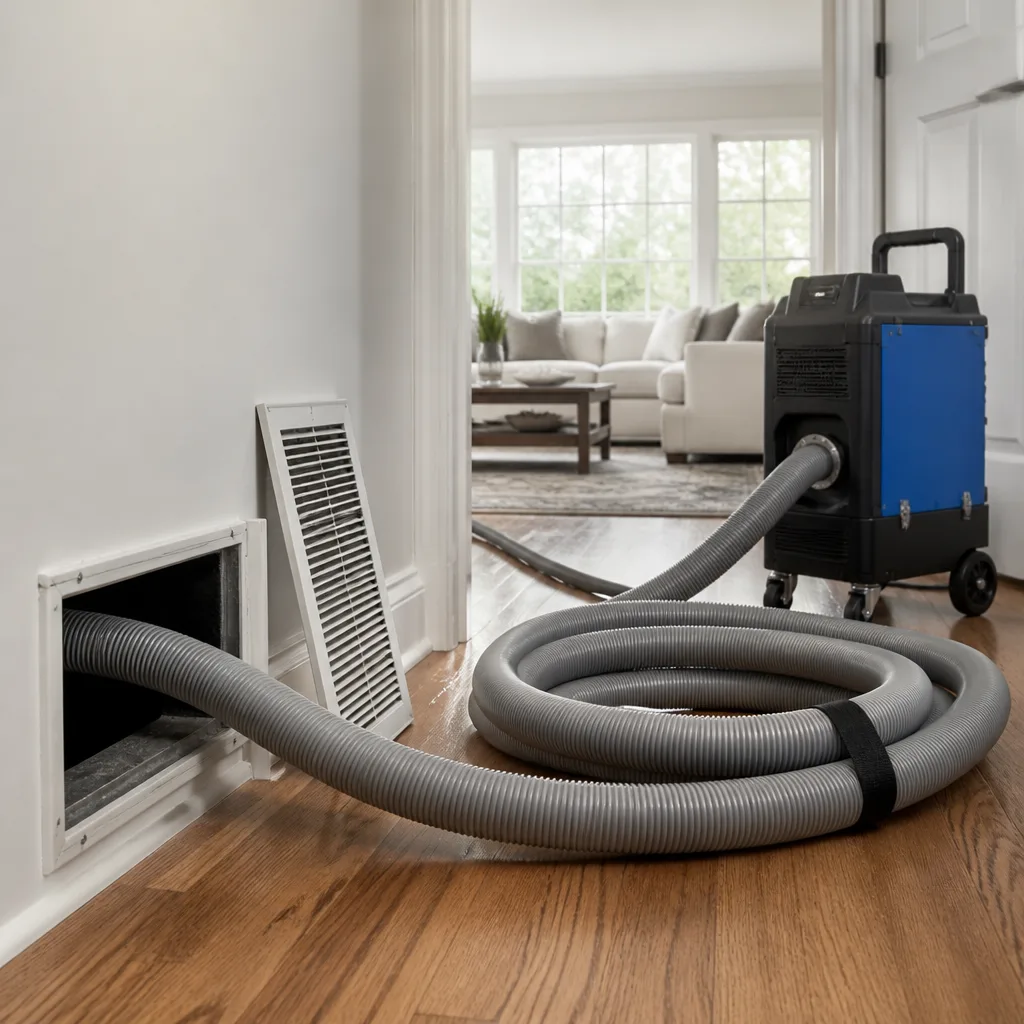 Whole-home duct cleaning
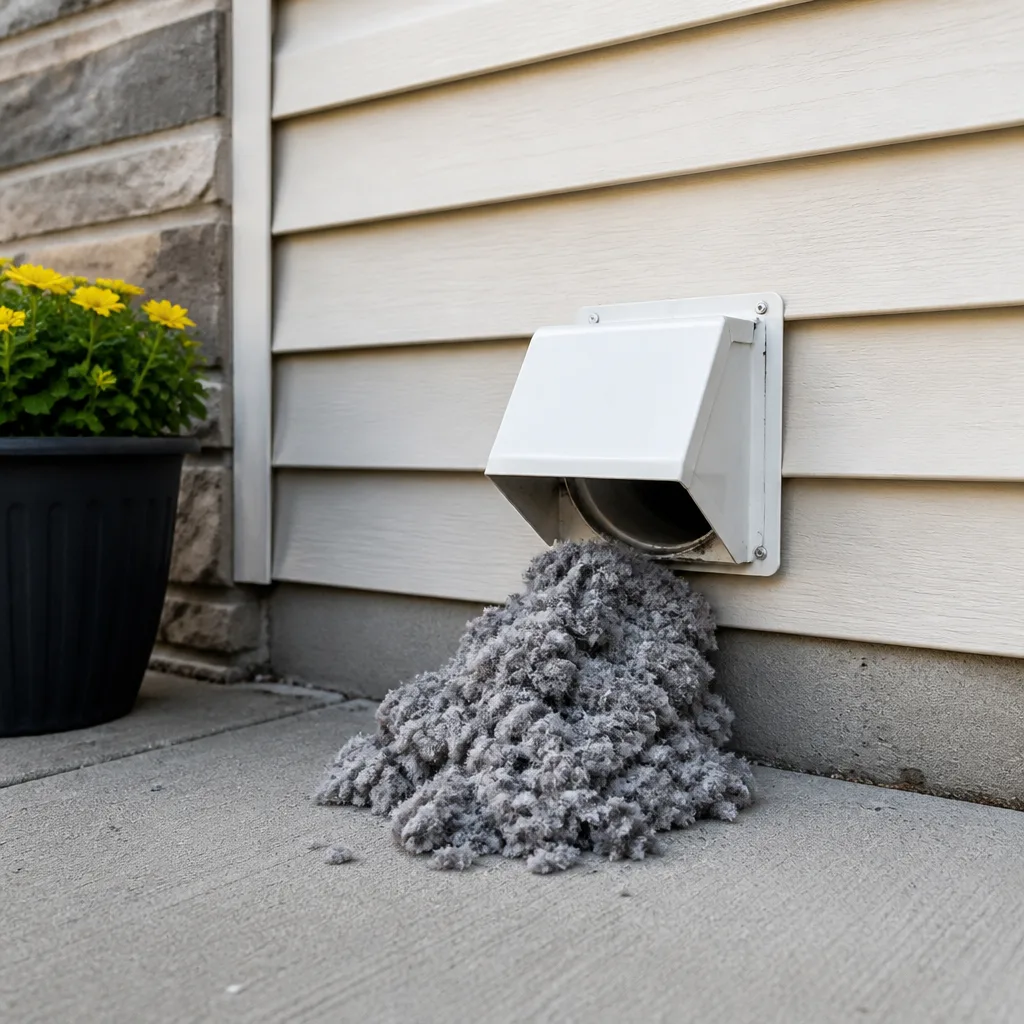 Dryer vent cleaning
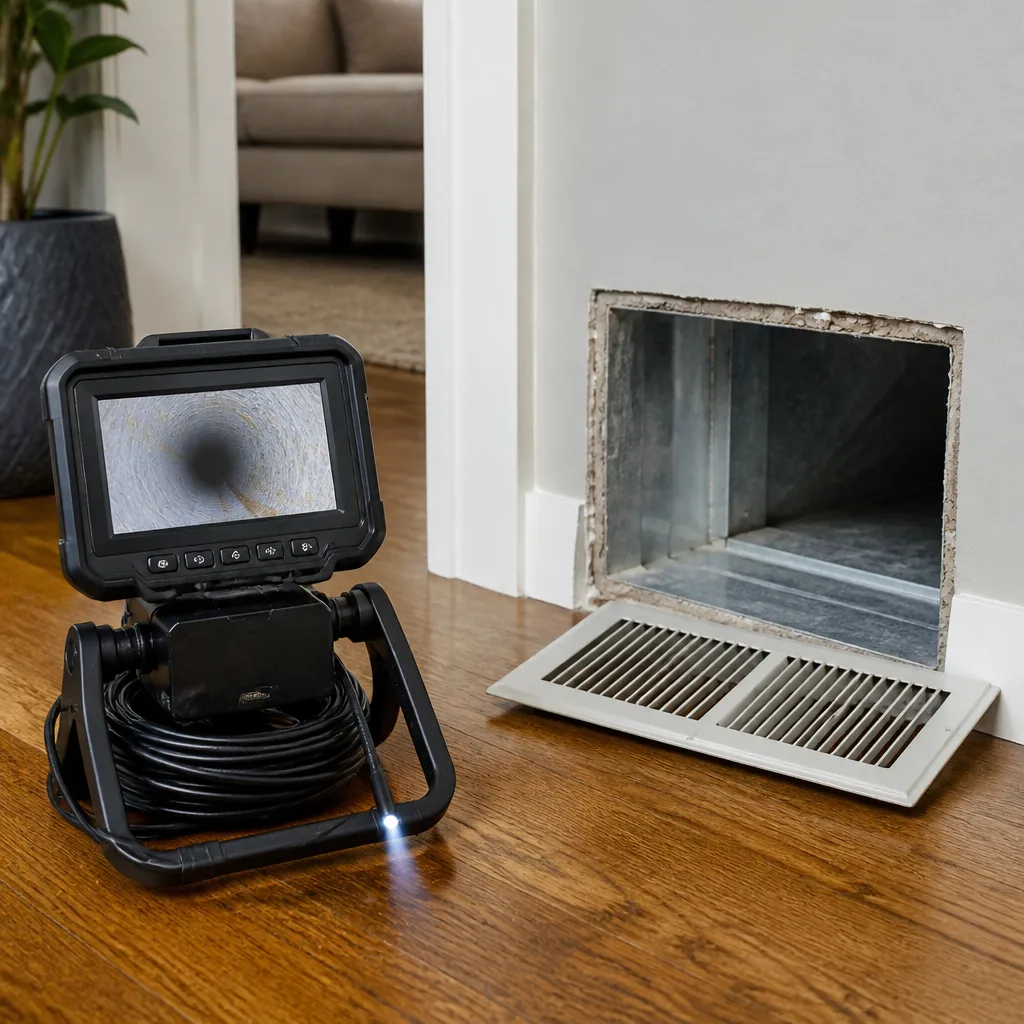 Camera inspection
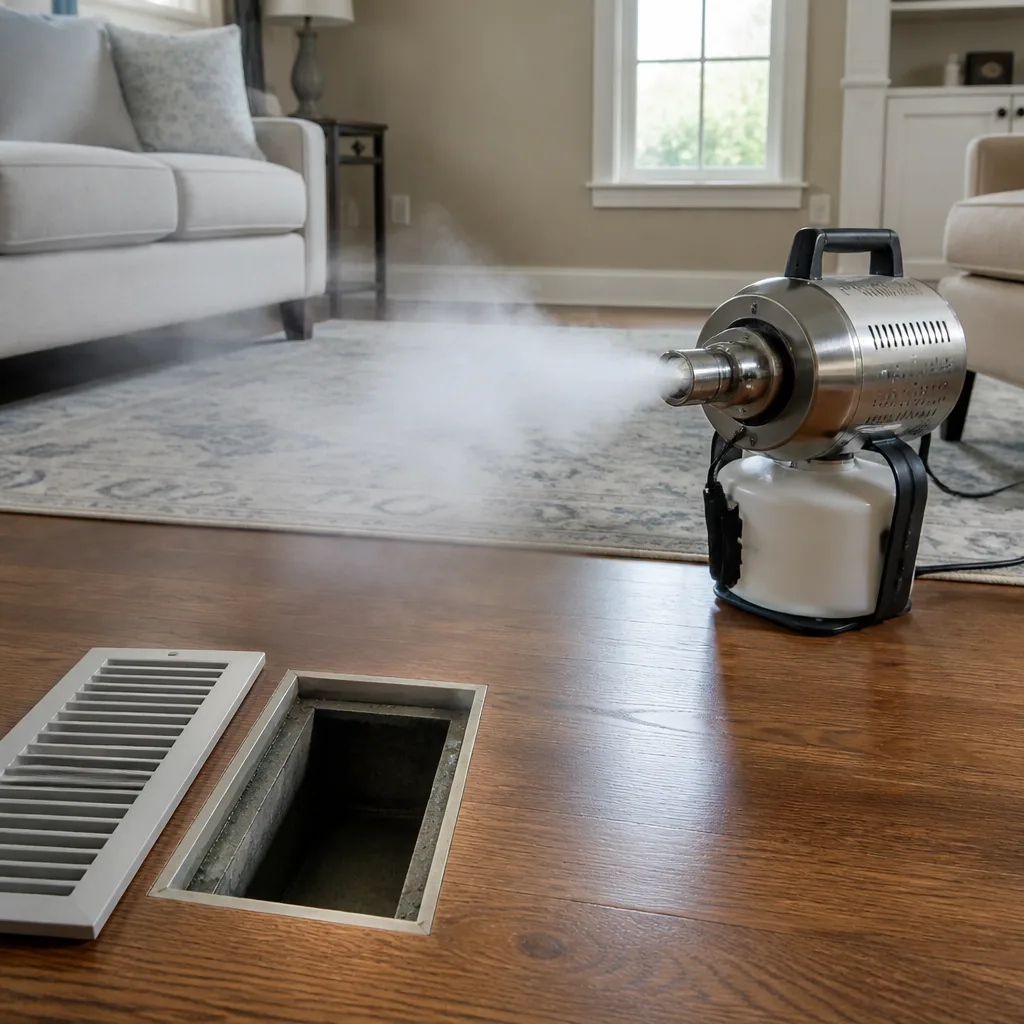 Sanitizing & deodorizing
Whole-system duct and dryer vent check with before-and-after photos - you see exactly what came out of your vents
That "$99 whole-house special" is a bait ad - the real number appears once they are in your hallway, or the "clean" is a shop-vac at the register. We photograph the inside of your ducts before and after instead.
DIY vs Professional Air Duct Cleaning: The Hillsboro Homeowner’s Decision Guide
A $30 dryer vent brush and a household vacuum will move debris inside your ducts. It will also push a portion of that debris straight back into the air you’re breathing, which is the exact opposite of what a HEPA-rated negative pressure system is built to do. That’s the whole reason this decision matters more than most homeowners expect. DIY duct work isn’t usually dangerous. It’s just mechanically limited in ways that aren’t obvious from the outside. This guide maps where DIY actually earns its place, where it can’t compete, and what the real cost of each path looks like for a Hillsboro homeowner.
Quick Answer
You can clean register grilles, vacuum visible surface dust, and maintain a dryer vent yourself with the right tools. You cannot replicate rotary contact cleaning or HEPA-rated negative pressure extraction without professional equipment. If your ducts have never been serviced, show mold or rodent signs, or sit in a multi-zone system, DIY won’t get you where you need to go.
Styles & brands we work with
- Whole-home duct cleaning
- Dryer vent cleaning
- Camera inspection
- Sanitizing & deodorizing
Table of Contents
- What DIY Air Duct Cleaning Actually Accomplishes
- Why Containment and Negative Pressure Matter
- When DIY Is a Legitimate First Step
- When DIY Falls Short No Matter How Hard You Try
- The Real Cost of DIY vs Professional Cleaning
- Contact Cleaning vs Blowouts: What the Equipment Does
- What Happens When Cleaning Uncovers a Broken Duct
- Common Mistakes to Avoid
- When to Call a Professional
What DIY Air Duct Cleaning Actually Accomplishes
DIY duct cleaning is useful for a narrow set of tasks, and those tasks matter. You can remove dust and debris from register grilles, wipe down the visible portion of the supply boot where it meets the floor or ceiling, and clean the flexible or rigid connection behind the grille. That’s surface work, and it does reduce the dust load entering a room.
Where DIY reasonably fits:
- Register grilles and covers. These pull off easily on most systems. A soft brush and warm soapy water remove years of dust film. Dry them fully before reinstalling.
- Visible boot surfaces. A vacuum with a crevice tool handles the first several inches of duct where it meets the register.
- Return air grilles. These load up faster than supply grilles because they pull room air back in. A quick wipe and vacuum keeps the flow path clear.
- Dryer vent maintenance. A dedicated dryer vent brush kit is genuinely useful here. Disconnect the vent from the dryer, brush out the interior, and clear the exterior hood and damper.
What DIY does not touch: the main trunk line, branch runs behind walls, HVAC coil faces, and any duct section with turning vanes or flex collapse. That’s the bulk of the system, and that’s where the real debris load lives. A household vacuum won’t produce enough sustained suction to pull debris from a 20-foot branch run, and it certainly won’t agitate it off the duct wall. Our technicians have up to 9 years of experience with professional extraction equipment, and every one of them will tell you the same thing: the main trunk is where the problem hides. If you’re curious what a full cleaning scope covers, our air duct cleaning page lays out the complete process.
Why Containment and Negative Pressure Matter
When you agitate dust inside a duct without real suction, that dust has to go somewhere. Some of it drops back down. Most of it circulates into the living space. That’s the core mechanical limitation of DIY duct cleaning, and it explains why a cheap “blowout” from an unqualified service can actually worsen indoor air quality.
Professional duct cleaning works on a two-step principle that you can’t replicate with a shop vac: contact cleaning plus HEPA extraction. Contact cleaning agitates debris off the duct wall using a rotary brush system. HEPA extraction simultaneously pulls that debris out of the system under negative pressure, capturing it in a fine enough filter to hold particles you can’t see. Rotobrush rotary contact cleaning is the agitation step. Nikro HEPA-rated vacuum extraction is the capture step. If either step is missing, the other step becomes less effective. Without negative pressure, loosened debris simply redistributes.
Containment adds another layer. Abatement Technologies air scrubbing and containment equipment is the same category of gear used in remediation work. It creates a controlled zone around the work area, pulls airborne particulates through filtration, and keeps the surrounding living space from getting loaded with what comes out of the ducts.
What this means for a homeowner:
- Dislodged debris has to be pulled into a HEPA-rated filter, not pushed into a room.
- Suction needs to be established at the main trunk, not just at a single register.
- Contamination control means containing the work zone, not just aiming a hose at it.
- Results need verification, not assumptions.
DIY covers none of these four points. It’s a mechanical gap, not a skill gap.
When DIY Is a Legitimate First Step
There are real situations where a homeowner should do some duct work themselves before deciding on professional service. DIY isn’t wrong; it’s just the wrong tool for the whole job.
Three situations where DIY earns its place:
New construction dust. A newly built or newly remodeled home has drywall dust, sawdust, and construction particulate settled in the ducts. Vacuuming registers and wiping boots removes a chunk of the surface load. You’ll still want a professional cleaning to clear the trunk and branch runs, but the DIY pass genuinely reduces the mess before the pro visit.
Single-event contamination. Maybe a one-time puff of dust from a remodeling project, or a brief construction event near an intake. A surface cleanup is reasonable. If the event was larger, a full cleaning is the right call.
Pre-inspection prep. If you’re about to call for an estimate and want to understand the layout, register locations, and visible condition of what you can reach, doing a visual walkthrough yourself saves time. You’ll be able to point out problem registers and describe what you’ve noticed. That makes the professional visit more efficient.
Hillsboro’s new construction pace in the South Hillsboro and Reed’s Crossing areas has meant a steady stream of homeowners calling about construction dust after a final walkthrough. In those cases, DIY register cleaning is a reasonable first move. It’s just not the final move. Airflow you can measure comes from clearing the full system, not from the visible registers.
When DIY Falls Short No Matter How Hard You Try
Some duct conditions need a professional cleaning for reasons that no amount of effort fixes. These aren’t judgment calls; they’re situations where DIY can’t produce a safe outcome.
Situations where DIY is insufficient regardless of effort:
- Post-remediation verification. After mold remediation or water damage work, ducts need verified cleaning, not a quick vacuum. The remediation standard holds the contractor accountable for what remains inside the HVAC system.
- Visible mold in the system. If you can see mold growth on duct surfaces, on the coil, or near the plenum, DIY agitation can spread spores into the living space. A professional assessment and proper containment are the right first move. We flag this clearly: duct cleaning does not treat active mold growth on building materials. That’s remediation work, and it belongs with a remediation contractor.
- Rodent intrusion. Droppings, nesting material, and carcasses in ducts carry real health concerns. A household vacuum won’t safely contain what comes loose.
- Multi-zone systems. A system with multiple trunk branches, zoning dampers, or long runs to a second floor has too many branch points for household equipment to service.
- Compromised flex duct. If a section is crushed, torn, or separating at a connection, cleaning may make it worse without a repair step. We can repair the duct on the same visit, which is the difference between “cleaned” and “actually fixed.”
Hillsboro’s damp winters and long shoulder seasons keep HVAC systems running through mild weather that many other regions skip. That longer run time means more accumulation. Homes near Jackson Bottom or along the Tualatin River corridor see more seasonal humidity swings that can encourage growth in poorly sealed duct runs. Those homes especially benefit from a professional assessment before anyone touches the system.
The Real Cost of DIY vs Professional Cleaning
The DIY-to-professional cost gap is smaller than most homeowners assume once labor and equipment rental get added up. DIY looks cheap at the cash register and gets expensive at the hour mark.
What a serious DIY effort actually requires:
- A high-CFM shop vac or rental unit ($60-$120 per day at a rental yard)
- Dryer vent brush kit ($25-$60)
- Flexible duct brush attachment ($30-$80)
- Respirator with fine particulate cartridges ($35-$75)
- Drop cloths and containment plastic ($20-$40)
- 4-8 hours of your time per zone, realistically
That’s $170 to $375 in supplies and rentals before you’ve spent the weekend. And the result still doesn’t produce HEPA-captured extraction, containment control, or a repair capability if you find a broken connection. A full day of labor on a multi-zone system is a real cost.
Professional duct cleaning in Hillsboro varies based on system size, number of zones, and whether repair work is needed. We quote the full scope before we start, so you know what the job includes before we open a single register. For a comparable scope, call for an estimate. The free estimate line is the fastest way to compare the two paths honestly.
Contact Cleaning vs Blowouts: What the Equipment Does
Not all professional duct cleaning is the same. The term gets used for services ranging from a cheap pass with a leaf blower to a full containment and extraction operation. Understanding the difference matters if you’re going to pay for one.
How professional duct cleaning actually runs:
- Inspection. We map the system, identify register locations, and look for visible damage or contamination sources.
- Containment setup. Abatement Technologies air scrubbing and containment equipment establishes a controlled work zone.
- Negative pressure. Nikro HEPA-rated vacuum connects at the main trunk, creating sustained negative pressure through the system.
- Rotary contact cleaning. A Rotobrush rotary brush agitates debris off duct walls from register to trunk, pulling it toward the extraction point.
- Capture and verification. Debris goes into the HEPA filter. Registers are reinstalled, and airflow is checked before we leave.
A blowout skips step 2 and step 3. It agitates debris without capturing it. In our experience, the seal on a return air drop matters more than the size of the vacuum, and neither one helps if the extraction point isn’t set up correctly. When you’re comparing quotes, ask what equipment will actually be on site. The answer separates two very different service categories.
What Happens When Cleaning Uncovers a Broken Duct
A duct cleaning often turns up a compromised section: crushed flex, a separated joint, an unsealed boot, or a dent that’s held together for years by nothing more than dust. What happens next determines whether the cleaning actually improves your system.
Some companies refer that repair to a separate contractor. That means a second appointment, a second invoice, and a stretch of time where the cleaned system has a hole in it. We treat duct repair as a standalone service and can fix what we find on the same visit. That’s not a sales angle; it’s a mechanical completeness argument. A cleaned system that leaks at the boot loses airflow every time the system runs.
What the repair scope might include:
- Sealing separated joints with mesh and mastic
- Replacing a crushed or torn flex section
- Reconnecting a boot that’s separated from the register opening
- Sealing the plenum connection
If you’re also thinking about filtration upgrades, the cleaning visit is the right time to plan them. Honeywell and Aprilaire filter and humidity control systems integrate cleanly into an HVAC system after ducts are clean. Adding filtration before cleaning traps debris behind the filter media. Adding it after cleaning gives you clean air to start from. Clean ducts, confirmed, is the state you want before making any other air quality investments.
Common Mistakes to Avoid
- Using a household vacuum on the main trunk. A standard vacuum doesn’t produce enough sustained suction to pull debris from a branch run. It can agitate dust that then drifts into the living space. Rent or borrow a shop vac only if you’re staying at the register face.
- Skipping the respirator. Drywall dust and settled particulate can be irritating to breathe. Any DIY duct work should include eye protection and a fine particulate respirator.
- Cleaning the dryer vent with a vacuum only. A vacuum removes lint you can reach. The inside of the vent run needs a brush to loosen packed lint. If you find a blocked dryer vent in an older Hillsboro home, this is a fire-safety issue worth taking seriously.
- Assuming a coupon blowout is the same as a cleaning. A $79 blowout typically skips containment and HEPA extraction. It’s the opposite of what you want. The low price reflects what’s not included.
- Cleaning before active mold is addressed. Agitating a system with visible mold growth spreads spores. Get the growth source addressed first.
- Assuming the job is done because the room smells better. Odor improvement is a first signal, not proof. Verify airflow by checking register pressure at each vent, or ask for a before-and-after walkthrough.
- Treating “no dust on the register” as “no dust in the system.” The registers are the part you can see. The trunk is where the load accumulates.
When to Call a Professional
Call a professional if any of the following apply: you can see visible mold in the system, a register is blowing noticeably weaker than the others, you’ve had a rodent problem, you’re post-remediation or post-renovation, your system has multiple zones, or it’s been several years since the last cleaning. In those situations, DIY can worsen the problem or leave it only half-solved.
Duct Cleaning Hillsboro offers free estimates in Hillsboro. Call (866) 810-7564. We answer 24/7. Fast dispatch from 7am to 7pm, Sunday through Friday. If you’re not sure which service you actually need, that’s what the estimate is for. We’ll look at the system and tell you what’s there. If it’s a dryer vent safety concern or a standalone repair, our dryer vent cleaning and duct repair services are scoped separately.
Frequently Asked Questions
Pricing varies based on system size, number of zones, and whether repair work is needed. We don’t quote teaser prices because the job scope is different for every home. A full cleaning with containment and HEPA extraction costs more than a surface blowout, for obvious mechanical reasons. Call (866) 810-7564 for a free estimate – the number reflects a real scope for your system, not a number designed to get us in the door.
You can clean registers and visible boot surfaces with a shop vac, and that’s worth doing. You cannot clean the main trunk or branch runs with a household or shop vacuum because the suction isn’t strong enough and there’s no way to establish negative pressure. Agitating dust in ducts without extraction pushes it into the living space. Stick to surface work on the register end, and call a professional for the trunk and branch runs.
For a typical home, every 3-5 years is a reasonable baseline. Homes with pets, recent renovations, allergy concerns, or higher-than-average dust load benefit from a shorter interval. A home that has never had a cleaning since it was built needs one regardless of age. Call (866) 810-7564 for an exact recommendation based on your system.
Low-cost quotes typically skip containment, skip HEPA extraction, or use a high-velocity blower that redistributes debris rather than capturing it. The low number reflects what’s not in the scope. When you compare quotes, ask specifically about containment equipment, HEPA filtration, and whether contact cleaning is included. Those three items are the difference between a real cleaning and a dust shuffle.
Cleaning removes accumulated dust and debris from ducts. Repair fixes a compromised duct section, such as a crushed flex run or a separated joint. Remediation addresses active contamination sources like mold growth or biohazards and requires specialized protocols. We provide cleaning and repair. We do not perform mold remediation, and we’ll tell you that clearly when the problem calls for it. Call (866) 810-7564 for guidance on which one you actually need.
No, but winter is a good time to schedule it. Hillsboro’s damp winters mean the HVAC system runs more, and any existing dust load circulates more often. A late-fall or winter cleaning puts the system in the best shape going into the wet season. Windows and humidity control (Aprilaire units are a common upgrade) pair well with winter scheduling. Call to book the estimate before the season gets busy.
The Bottom Line
DIY air duct cleaning is a real option for surface work: registers, boots, and dryer vent maintenance. It won’t clear the main trunk, and it can’t replicate rotary contact cleaning or HEPA-rated negative pressure extraction. The honest arithmetic on a serious DIY effort is $170-$375 in rentals and supplies, a weekend of your time, and an outcome the household vacuum can’t verify. The professional route costs more but delivers containment, contact cleaning, and a repair path if something’s broken. If you’re in Hillsboro and you’re not sure which side of that line your system sits on, that’s the question a free estimate answers. Call (866) 810-7564. We answer 24/7. Fast dispatch from 7am to 7pm, Sunday through Friday. Free estimates, every time.
Written by the team at Duct Cleaning Hillsboro.
See the difference
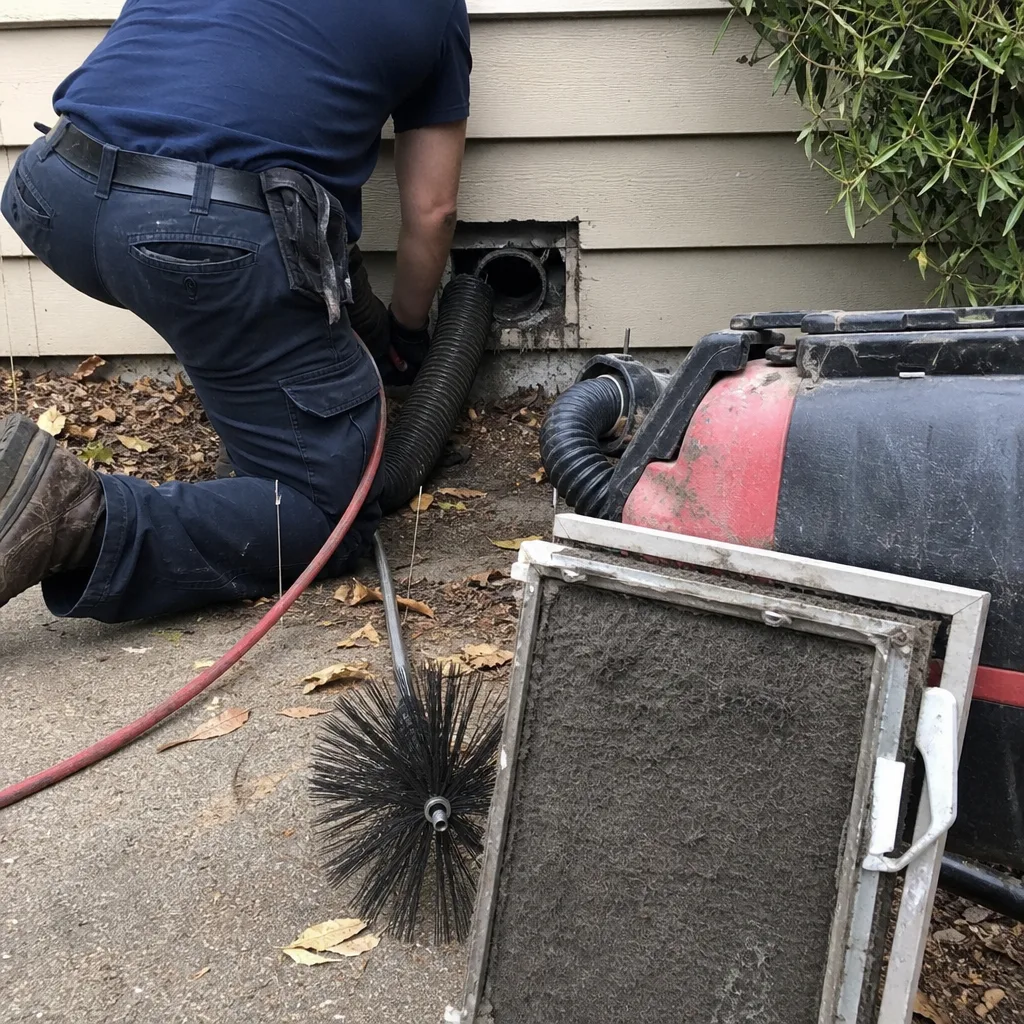 Before
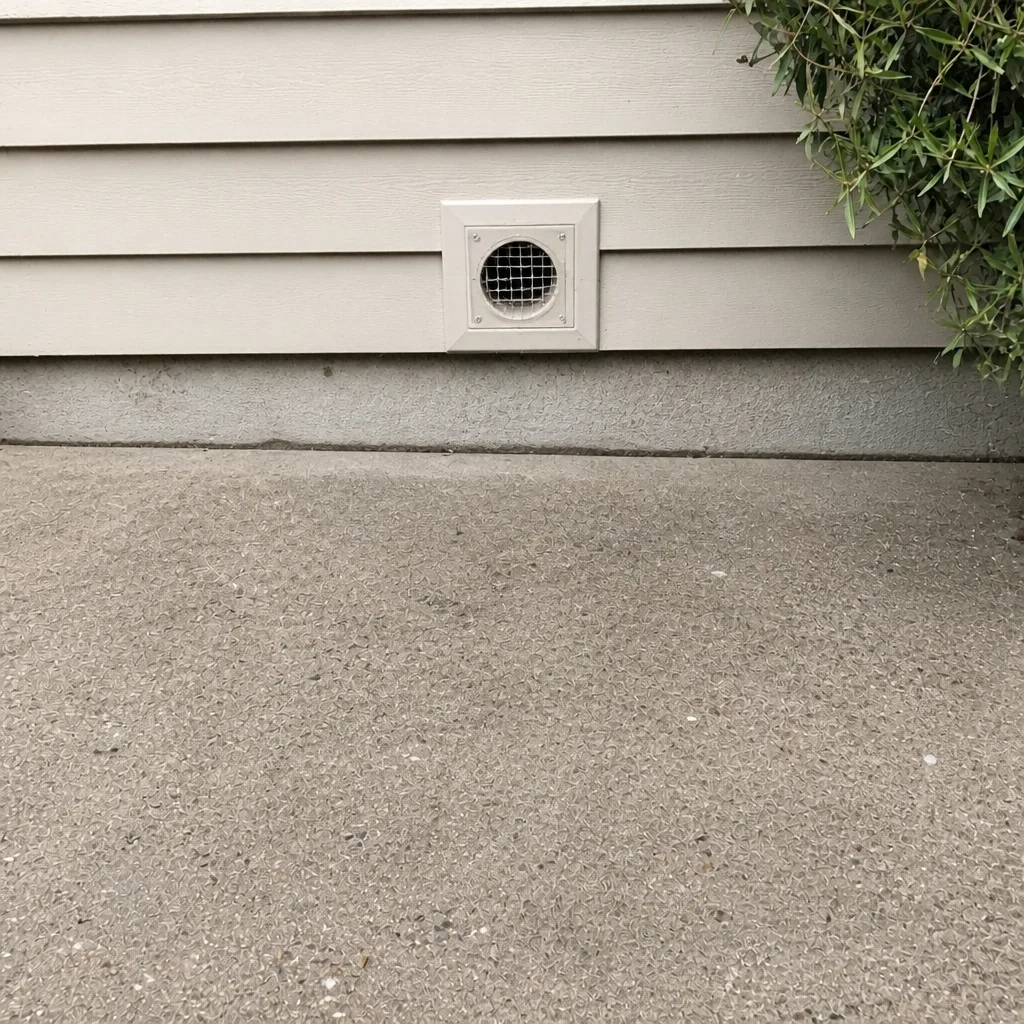 After
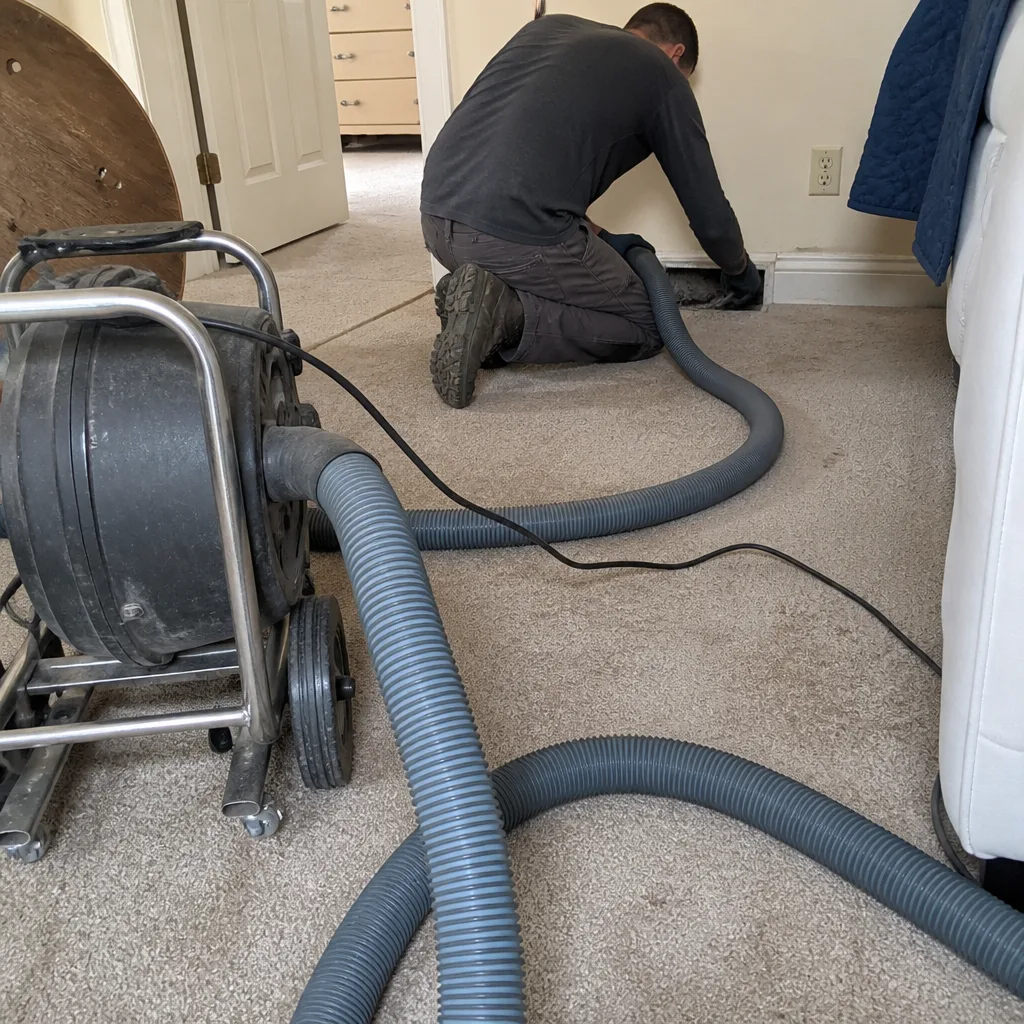 Before
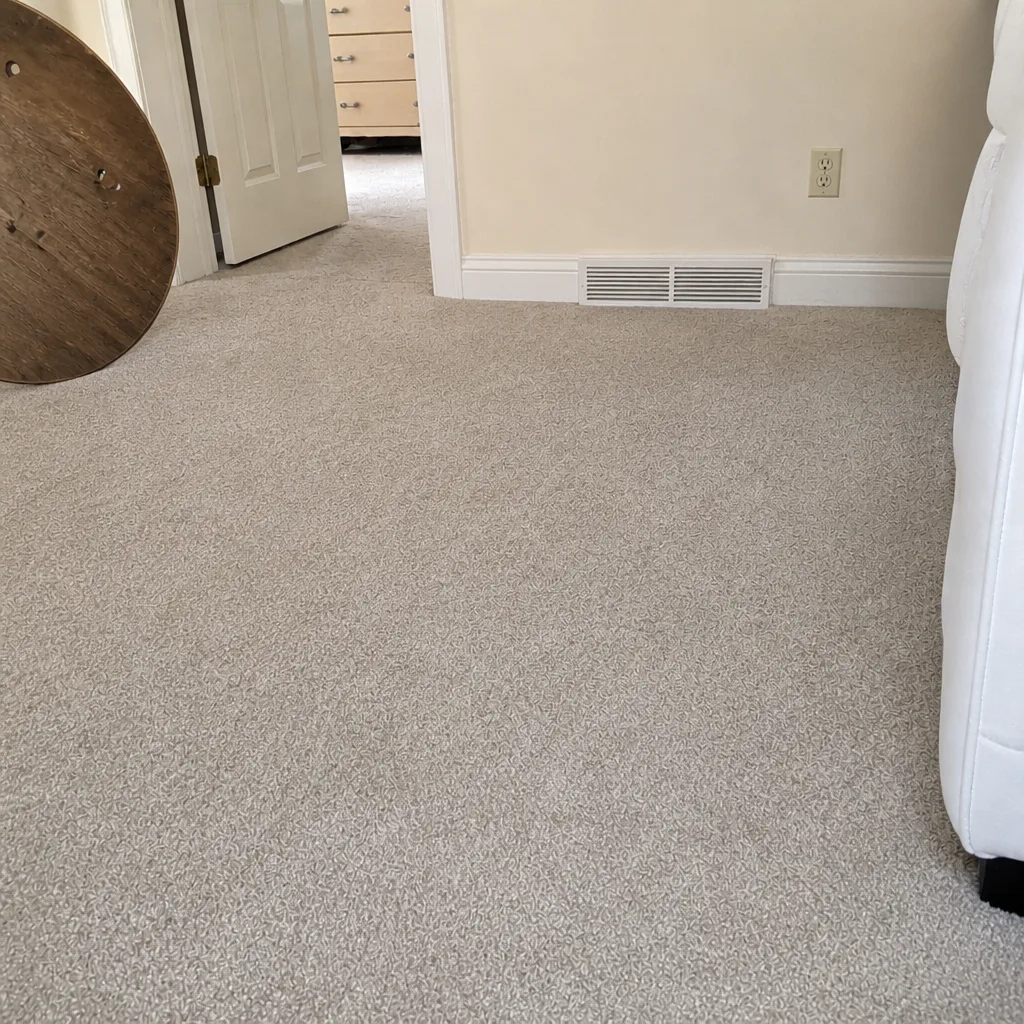 After
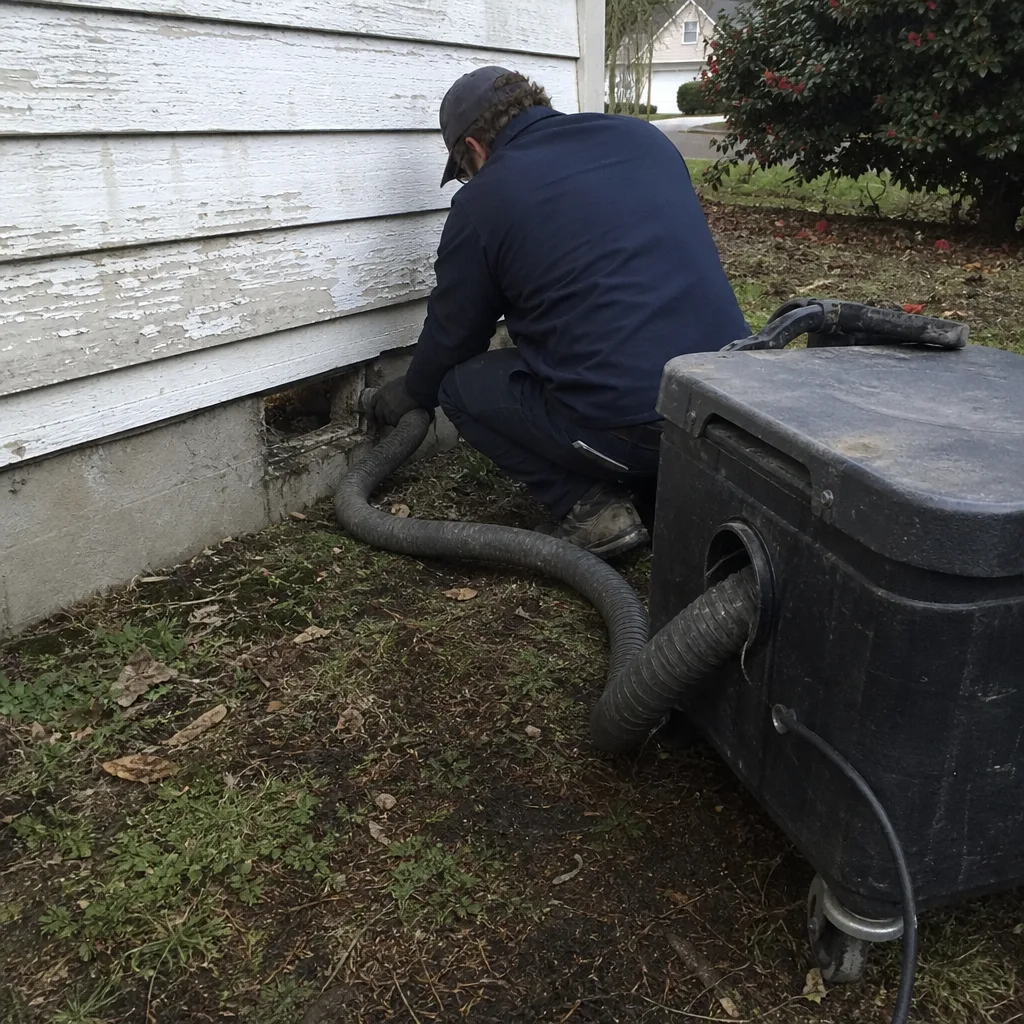 Before
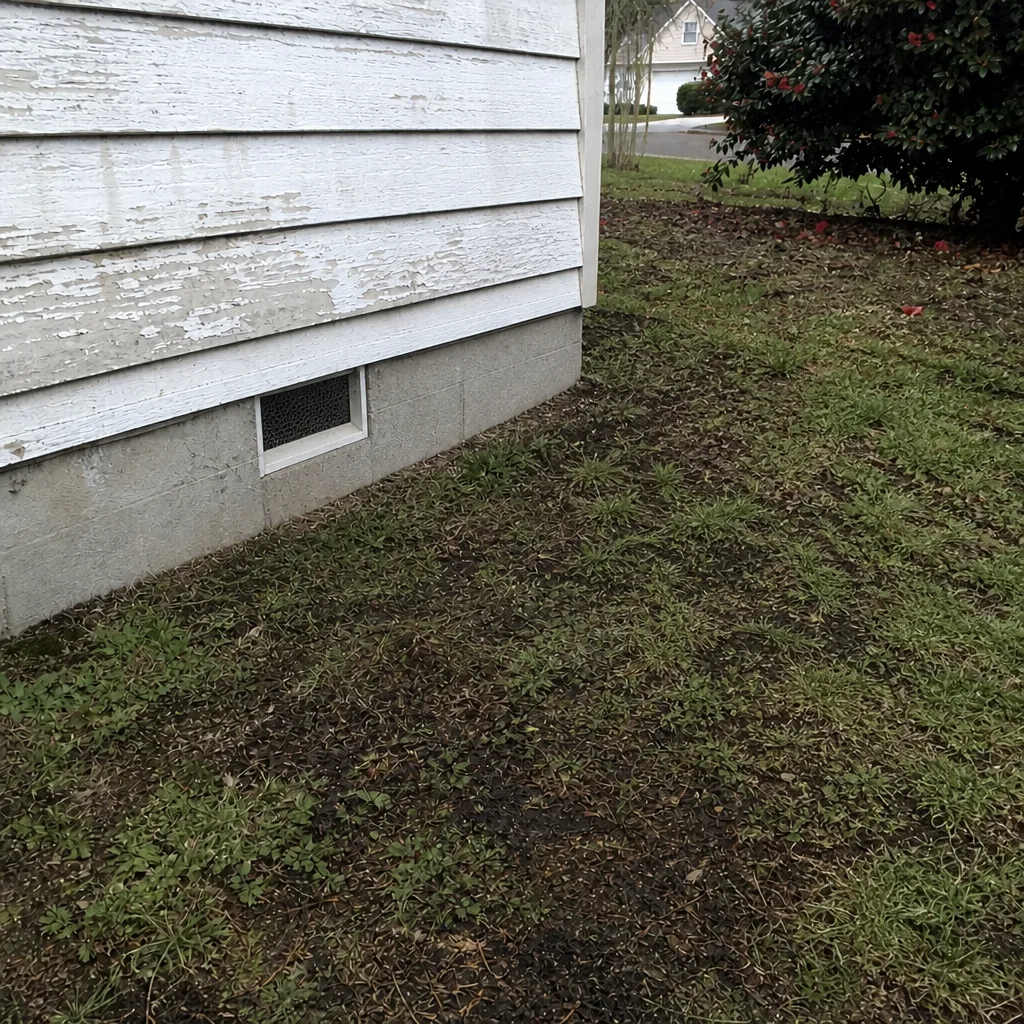 After