
Last updated November 14, 2026
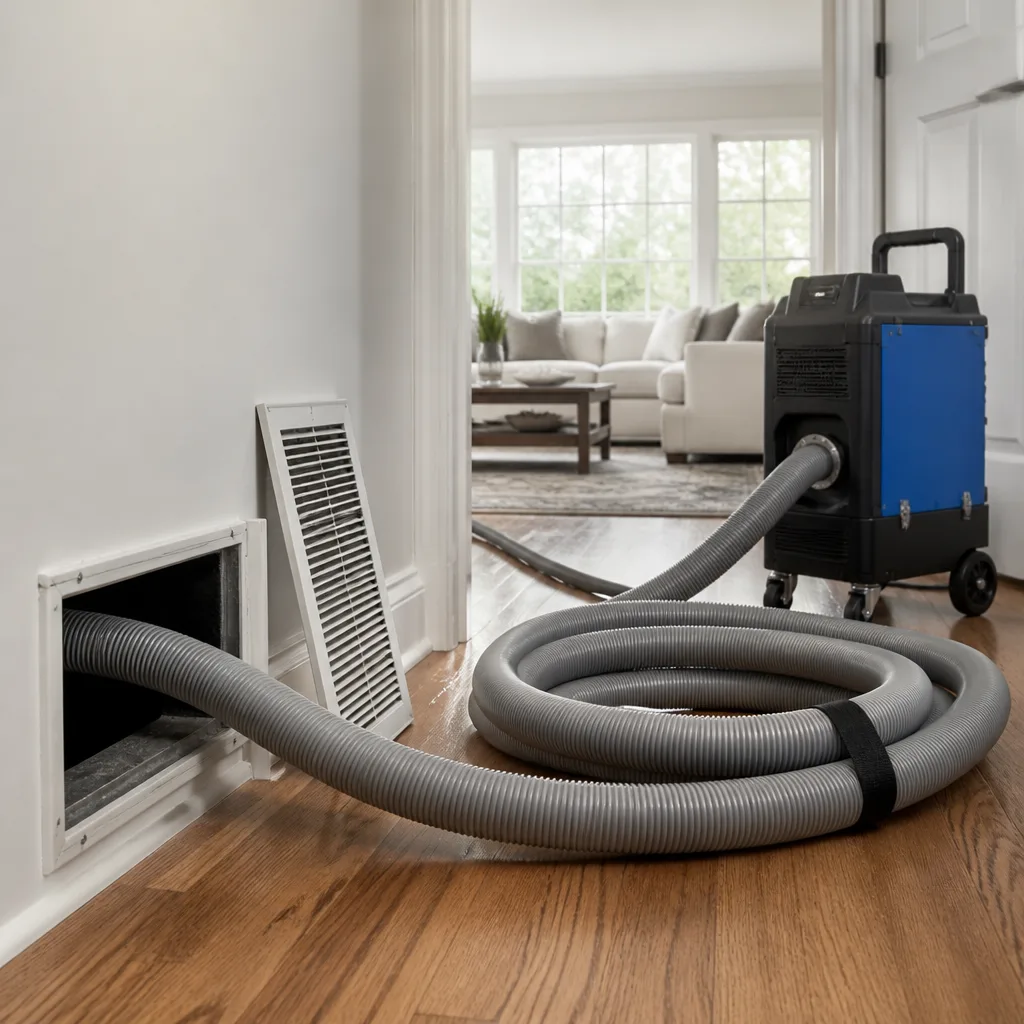 Whole-home duct cleaning
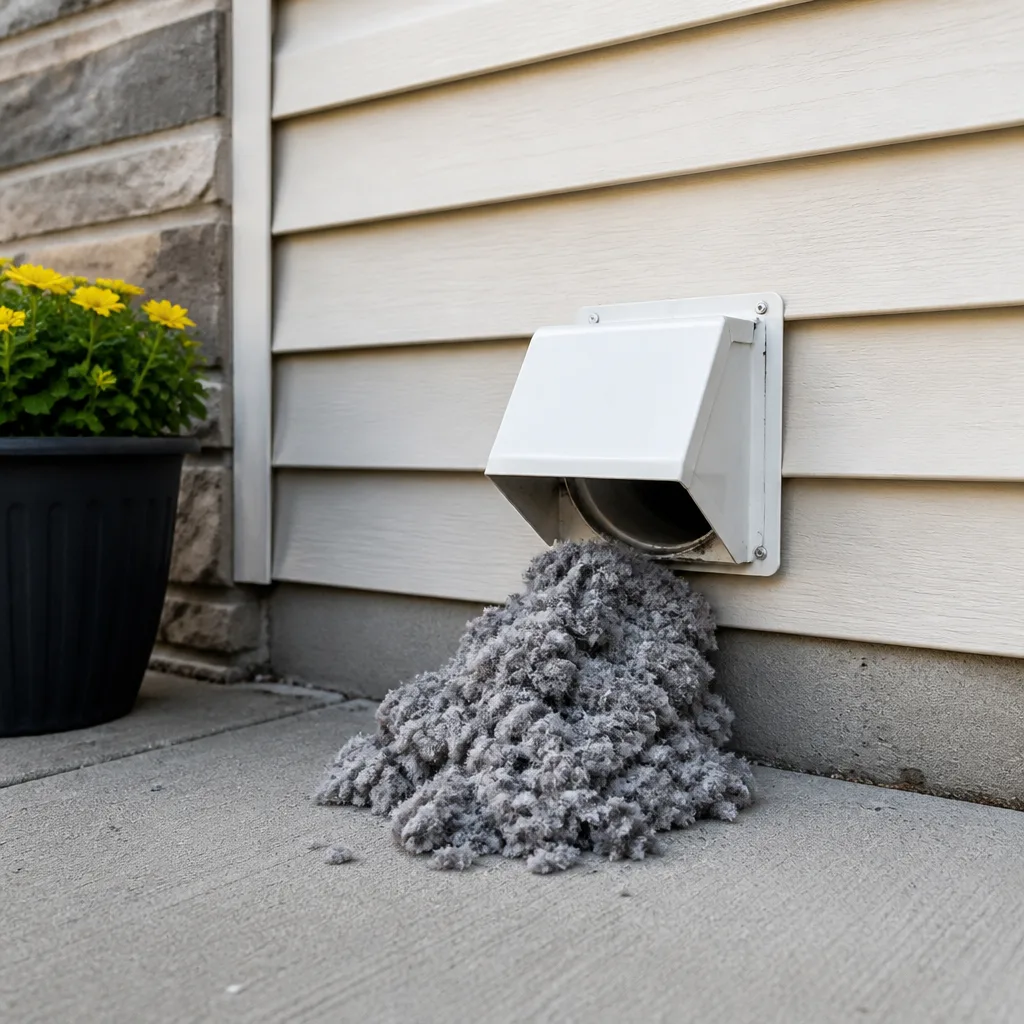 Dryer vent cleaning
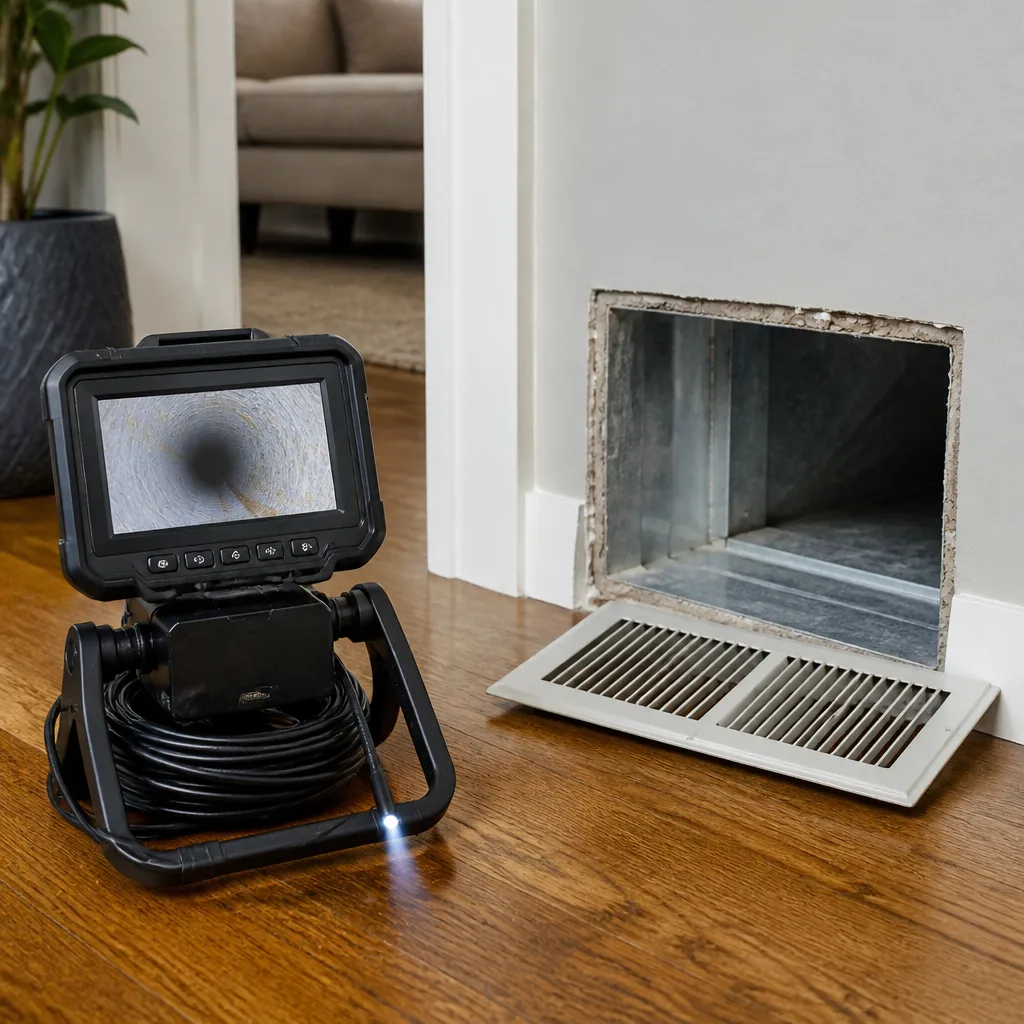 Camera inspection
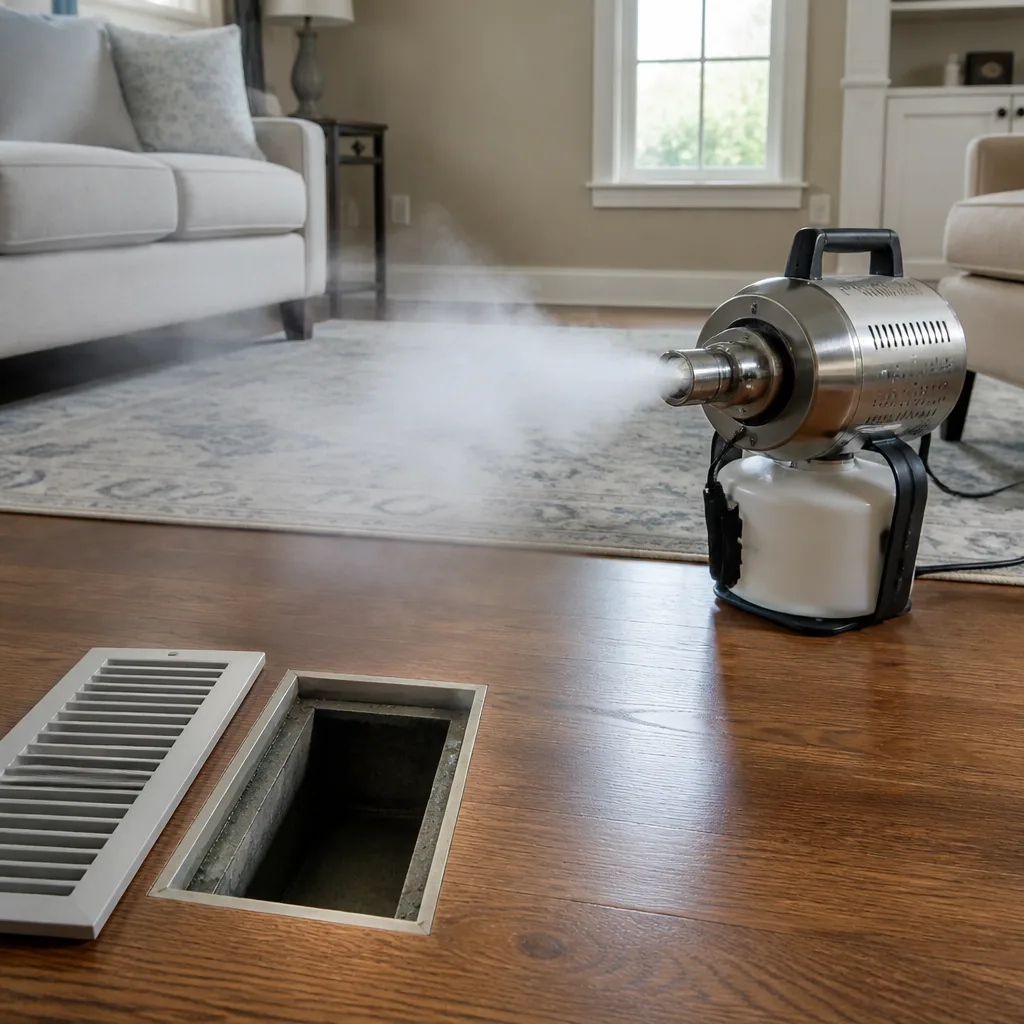 Sanitizing & deodorizing
Whole-system duct and dryer vent check with before-and-after photos - you see exactly what came out of your vents
That "$99 whole-house special" is a bait ad - the real number appears once they are in your hallway, or the "clean" is a shop-vac at the register. We photograph the inside of your ducts before and after instead.
The Complete Guide to Air Duct Cleaning in Hillsboro
A shop-vac and a leaf blower can dislodge debris in your ducts. What they can’t do is tell you why the debris is there, or whether cleaning alone is enough to fix it. In our experience across Hillsboro, most homes don’t have a simple dust problem. They have a dust problem plus a secondary issue – a sagging flex run, a moldy liner, a joint that’s been leaking for years – and surface cleaning does nothing for the second half. This guide treats duct cleaning as a diagnostic process rather than a one-time errand. You’ll learn how wet-climate conditions here accelerate buildup, what source-removal actually means, what a full-scope visit covers, when repair is the real answer, and how to read the report afterward.
Quick Answer
Air duct cleaning in Hillsboro removes accumulated dust, debris, and biological growth from your ductwork using contact agitation combined with HEPA-filtered extraction, and it works best when it starts with an inspection rather than a brush. In this climate, the job is often partly a repair job: ductwork that stays damp, flex runs that have collapsed, and joints that leak will reintroduce debris no matter how well the system was cleaned. A thorough visit includes pre-inspection, containment, rotary cleaning, HEPA extraction, and a documented verification of what came out.
Styles & brands we work with
- Whole-home duct cleaning
- Dryer vent cleaning
- Camera inspection
- Sanitizing & deodorizing
Table of Contents
- Why Hillsboro’s climate makes duct cleaning different
- Blow-and-go vs. source removal: what actually gets cleaned
- What a full-scope cleaning visit actually involves
- When cleaning isn’t enough and repair is the answer
- Dryer vents: the fire-safety side of the same problem
- How to read your post-cleaning report
- What air duct cleaning costs in Hillsboro
- How often ducts really need cleaning here
Why Hillsboro’s climate makes duct cleaning different
Hillsboro sits in the Tualatin Valley, and that geography does something specific to ducts: it keeps the ambient air humid for a large stretch of the year while homes stay closed up. Cooler, damp air meets warm interior surfaces, and moisture condenses in the places you never see – the inside walls of flex duct, the joints near a crawlspace, the liner of a plenum that runs through an unconditioned space. That’s the setup for biofilm, the thin microbial film that forms on dust when it stays damp, and for dust-mite activity, which spikes in the same conditions.
This is the single biggest difference between cleaning ducts in Hillsboro and cleaning ducts somewhere dry. In arid climates, duct dirt is mostly mineral dust that brushes loose easily. Here, dust binds to slightly damp surfaces and clings. A dry brush pass over a humidified duct wall knocks off the loose layer and leaves the adhered layer intact. That’s exactly why inspection has to come first: a technician needs to know whether they’re dealing with ordinary dry dust, damp biofilm, or a moisture source that will keep feeding the problem.
We see the same pattern in certain house types more than others. Older homes with unsealed, uninsulated flex running through crawlspaces and unconditioned attics tend to run cooler and damper inside the duct than the room it serves. Homes with a leaky return in a garage or crawlspace draw humid outside air straight into the system. Neither of those is a dirt problem. Both show up as one.
- Damp, closed-up months build condensation inside duct walls, especially in unconditioned runs.
- Crawlspaces and vented attics in the valley stay humid longer than the living space does.
- Returns that draw from garages or crawlspaces pull moist outside air into the system.
- Biofilm and dust-mite activity thrive in exactly that moisture-plus-dust combination.
- Dry brushing alone leaves the adhered layer on a damp duct wall.
The practical result: in Hillsboro, cleaning is diagnostic first. We look inside before we open a single vacuum hose.
Blow-and-go vs. source removal: what actually gets cleaned
The single most useful thing you can learn about this trade is the difference between blowing debris loose and actually removing it. These are not the same service, and they’re often sold under the same name.
Blow-and-go (or “air-whip only”) cleaning uses compressed air or a spinning whip to knock debris off the duct walls, then relies on the furnace fan or a weak shop vacuum to carry it away. The problem is where it goes. Much of what gets dislodged simply settles downstream, blows out of the registers the moment you turn the system back on, or ends up redistributing through the rooms you just cleaned. It’s fast, it looks productive, and it can leave the system dirtier in the spots you can’t see.
Source removal (contact cleaning plus HEPA extraction) is a two-step method. First, a rotary contact tool mechanically agitates debris off the duct wall – the kind of contact cleaning an air duct cleaning visit is supposed to deliver. Then, simultaneously, a HEPA-rated vacuum held under negative pressure pulls that loosened material out of the system and traps it before it can recirculate. On our jobs, that means a Rotobrush rotary contact-cleaning system agitating the debris while a Nikro HEPA vacuum extracts and captures it. The two run together, not one after the other. If the debris is loosened before the vacuum is capturing it, you’ve just moved the problem.
The two-step method in plain terms
- Agitate: rotary contact tools brush the duct walls, breaking the bond between debris and metal or flex liner.
- Capture: HEPA extraction holds negative pressure on the run and pulls dislodged material out of the system entirely.
For heavier contamination, we bring out Abatement Technologies containment and air-scrubbing equipment – the same category of gear used in remediation work – to keep the surrounding air clean while the work happens. That matters in a home or a property you’re managing, where a cloud of dislodged dust in the hallway is a failure of the job, not a side effect.
The bottom line: contact cleaning plus HEPA extraction is the method that actually removes the debris. Blowing it around is not cleaning. Clean ducts, confirmed – not just “looked cleaner than before.”
What a full-scope cleaning visit actually involves
A properly run visit has a sequence to it, and if a company skips the first step or the last one, the middle is worth less. Here’s what a full-scope visit looks like, in order.
- Pre-inspection. A camera goes into the trunks and the main runs to establish what’s actually in there: dust, debris, biofilm, collapsed sections, or a moisture source. We look at the air handler, the plenum, and the registers. What we find decides how the rest of the visit is scoped.
- Containment and negative pressure setup. Registers get sealed, a vacuum connection goes on the main trunk, and the system is put under negative pressure before any agitation begins. This is what prevents loosened debris from spilling into the living space.
- Rotary brushing and contact cleaning. The rotary tool runs each branch and the main trunk, mechanically lifting adhered debris – including the damp biofilm that builds up on duct walls in Hillsboro.
- HEPA extraction. HEPA-rated vacuum pull captures the loosened material and traps it. The extraction runs during the cleaning, not as an afterthought.
- Component cleaning. Registers, grilles, and the accessible portions of the air handler get cleaned. If the blower compartment is caked, that’s noted and discussed.
- Post-verification. Before-and-after photos of the duct interiors, a check of airflow at the registers, and a written summary of what was found and what was done.
That’s the template. What changes from house to house in Hillsboro is step one: what the camera finds. A clean, well-sealed system in a newer build gets a straightforward cleaning. A home with a persistently damp crawlspace and a decade of dust gets the same cleaning plus a conversation about why the moisture is there. The job isn’t done when the equipment shuts off; it’s done when the report explains what was found.
When cleaning isn’t enough and repair is the answer
Here’s the part most cleaning companies won’t tell you: sometimes cleaning is the wrong service. If the ductwork itself has a structural problem, cleaning is a temporary fix dressed up as a permanent one. You’ll pay for a good cleaning, and within a season the same dust load comes back, because the system is still pulling in new debris and moisture.
The most common structural problems we find in Hillsboro are the ones you’d expect from age plus local conditions:
- Sagging or collapsed flex runs. Flexible duct sags over time, especially when it’s holding humid air in a crawlspace. A collapsed run cuts airflow to a room and traps debris in the low point.
- Unsealed joints and leaky connections. Every gap draws air – and everything in that air – into the system. A leaky return in a garage or near a crawlspace draws the worst of it.
- Damp or compromised liner. The interior liner of flex duct can tear or take on moisture. A liner that stays damp is a biofilm source, and cleaning won’t cure what keeps it damp.
When we find one of these, the fix is repair, not another cleaning. Duct repair is a standalone service we offer, which means compromised sections can be repaired on the same visit rather than referred out and left unaddressed. We repair what we find. The point of the inspection isn’t to sell you a repair – it’s to know whether the cleaning will actually hold. Sometimes the honest answer is yes, clean it and we’re done. Sometimes it’s clean it, then fix the run that’s putting the moisture back in. If you suspect the ductwork itself is the problem and need a service page for it, the main Duct Cleaning Hillsboro page is a good place to start. For a broader look at how duct cleaning is verified elsewhere, our related guides go deeper.
Dryer vents: the fire-safety side of the same problem
Dryer vent cleaning belongs in this guide because it’s the same physics and a much higher stake. Lint is highly combustible. When a vent accumulates lint, airflow drops, the dryer runs hotter, and heat that can’t escape is a fire risk. This isn’t an upsell tacked onto a duct cleaning; it’s a dedicated safety service, and in a humid climate it has a second failure mode.
Hillsboro’s damp months make dryer vents worse in a specific way. Lint catches moisture from the air, clumps, and sticks to the vent walls instead of passing through. A vent that would stay clear in dry air can close down faster here. The signs are easy to miss: clothes that take two cycles to dry, a dryer that feels hot to the touch, or a vent flap outside that barely moves when the dryer runs.
What a proper visit looks like:
- The full vent run is cleaned from the dryer connection to the exterior termination, not just the first accessible section.
- Airflow is verified after cleaning, so you know the vent is actually clear rather than just “cleaned.”
- Any crushed or disconnected sections in the run are flagged – a vent that’s collapsed behind the wall isn’t fixed by cleaning.
- Exterior vent hoods and flaps are checked for blockage.
Airflow you can measure is the whole point. If you want to fold this into a single visit with your duct work, our dryer vent cleaning service covers the safety side in detail. In a house that’s been closed up for a damp season, it’s worth doing.
How to read your post-cleaning report
A cleaning you can’t verify is a cleaning you have to take on faith, and faith is exactly what this industry has spent years exhausting. So here’s what to look for in the paperwork afterward – the things that prove the job was done correctly and not just described convincingly.
- Before-and-after photos of the duct interiors. Not stock photos of a shiny duct, and not a photo of the register. Actual interior shots of your runs, taken from the same place on both sides. The before and after should show the difference, not just tell you about it.
- A written list of the components cleaned. Main trunks, branches, air handler, registers, dryer vent if included. If a component was cleaned, it’s listed. If it wasn’t, the report should say so.
- What was found. Debris type, any biofilm or moisture observed, any collapsed flex or leaky joints seen on camera. This is where a report earns its keep – it’s the record of the secondary problem.
- What was repaired or flagged. Any duct repair done on the visit, and any section recommended for repair that wasn’t addressed.
- Airflow verification. A check at the registers before and after. Measurable improvement, not a verbal “looks great.”
If a company hands you a receipt that says “duct cleaning performed” and nothing else, that’s the whole report. The documentation is the difference between a service and a claim. Ask for photos of your own ducts and a written summary before you pay.
What air duct cleaning costs in Hillsboro
Air duct cleaning pricing in Hillsboro is set per system, not per vent and not by coupon. The honest way to quote it is after an inspection, because the scope depends on what’s in the system and whether repair is needed. A clean, simple system and a system with collapsed flex and a damp crawlspace return are not the same job, and pricing them the same is how surprises happen. Call (866) 810-7564 for a free estimate on your specific system – the written estimate sets the final price, and the price is agreed before any work starts.
Here’s how the ranges typically break down, as estimates, not as a coupon figure:
| Service | Typical estimated range | What drives the price |
|---|---|---|
| Air duct cleaning, standard home | $300 – $600 | Number of runs, system size, accessibility |
| Air duct cleaning, larger or heavily contaminated system | $600 – $900 | Debris load, damp or biofilm contamination, containment needs |
| Air duct repair (per compromised section) | $150 – $400 | Collapsed flex, leaky joints, liner condition |
| Dryer vent cleaning | $100 – $200 | Run length, accessibility, blockage level |
Those ranges are estimates for a typical Hillsboro home. The final number comes from the written estimate after the inspection. If you’ve been quoted a teaser price over the phone by a company that hasn’t looked at the system, treat it as a starting point that will almost certainly move once they’re on site.
How often ducts really need cleaning here
The honest answer is that there’s no fixed schedule that applies to every house. The interval depends on the system, the household, and the climate – and in Hillsboro, the climate is a real factor. Homes that stay closed up through the damp months, homes with pets, homes with allergy-sensitive occupants, and homes with a crawlspace or garage return all tend to need cleaning sooner than the average. The general guidance of every few years is a starting point, but it’s not a rule written for your house.
Rather than watching the calendar, watch the signals. Any of these means it’s time for an inspection:
- Visible dust or debris blowing out of registers when the system starts.
- Musty or “damp basement” odor in rooms the system serves.
- Allergy symptoms that get worse indoors, especially in the closed-up months.
- Uneven airflow between rooms, or a room that never gets enough.
- Filter clogging much faster than usual.
- Recent renovation, water intrusion, or a crawlspace that stays humid.
An inspection-first approach means you don’t pay for a cleaning you don’t need, and you don’t skip one you do. If the camera finds a clean system, we’ll tell you it’s clean. If it finds a secondary problem that means cleaning alone won’t hold, we’ll tell you that too – and repair it on the same visit rather than leaving you to schedule someone else. That’s the whole reason we treat this as a diagnostic process. For a full picture of what a Hillsboro service visit includes, the local pages go into the specifics.
Common Mistakes to Avoid
- Hiring on coupon price alone. A teaser price that balloons on the invoice once the technician is on site is the bait-and-switch pattern that gives this trade its reputation. Ask for a written per-system estimate before anyone starts.
- Skipping the inspection. A company that starts brushing without first looking inside is guessing. In Hillsboro, where damp biofilm and collapsed flex are common, the inspection is what tells you whether cleaning will hold.
- Accepting blow-and-go cleaning. Agitating debris without HEPA extraction just redistributes it. Ask directly whether the method is contact cleaning plus extraction, and what equipment they bring.
- Believing a per-vent price. Pricing by the vent encourages a company to count vents rather than clean the system. The honest unit is the whole system, priced per job.
- Not checking the report. No before-and-after photos of your own ducts and no written component list means no proof. A receipt that says “performed” is not documentation.
- Ignoring the dryer vent. It’s the fire-safety side of the same airflow problem, and in a humid climate it clogs sooner. Have it inspected on the same visit rather than waiting for a problem.
- Treating cleaning as a cure for a structural issue. If a flex run has collapsed or a joint is leaking, cleaning is temporary. The secondary problem has to be identified and repaired or the dust comes back.
See the difference
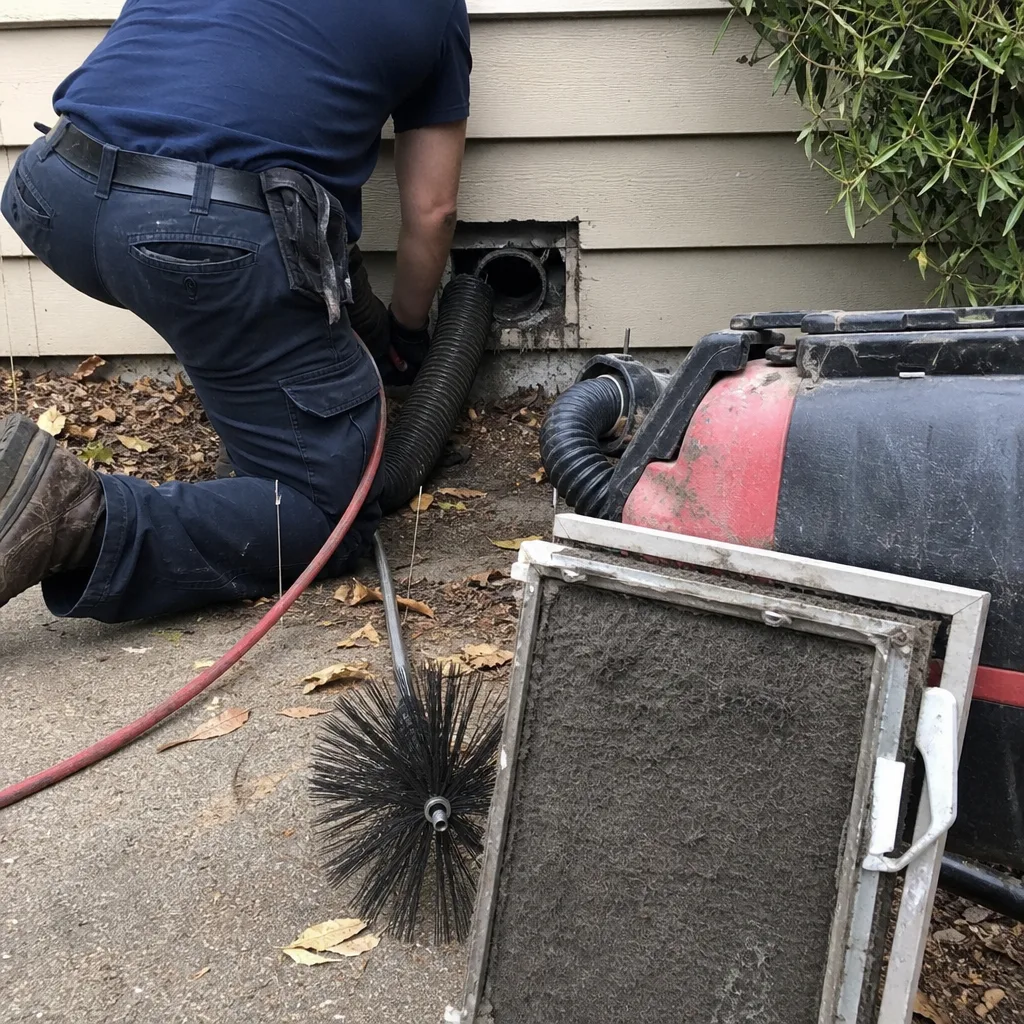 Before
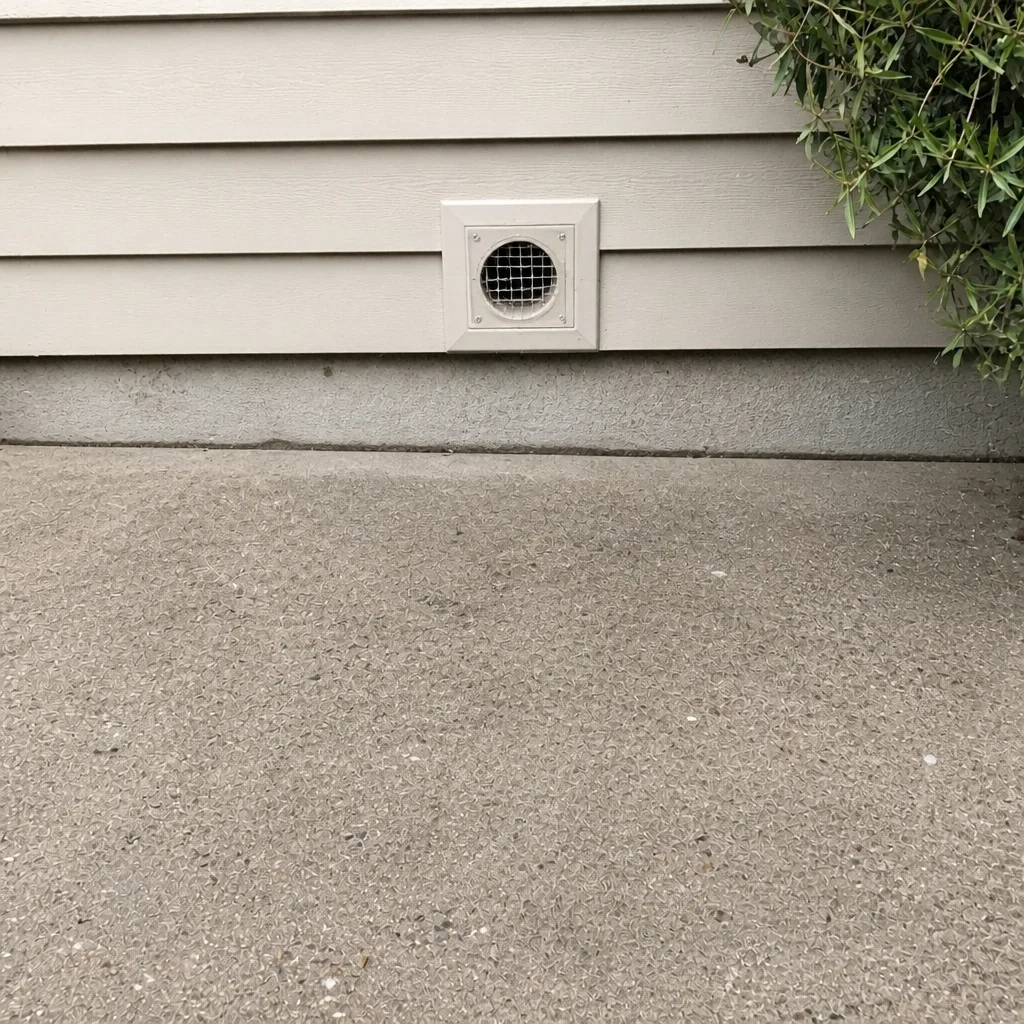 After
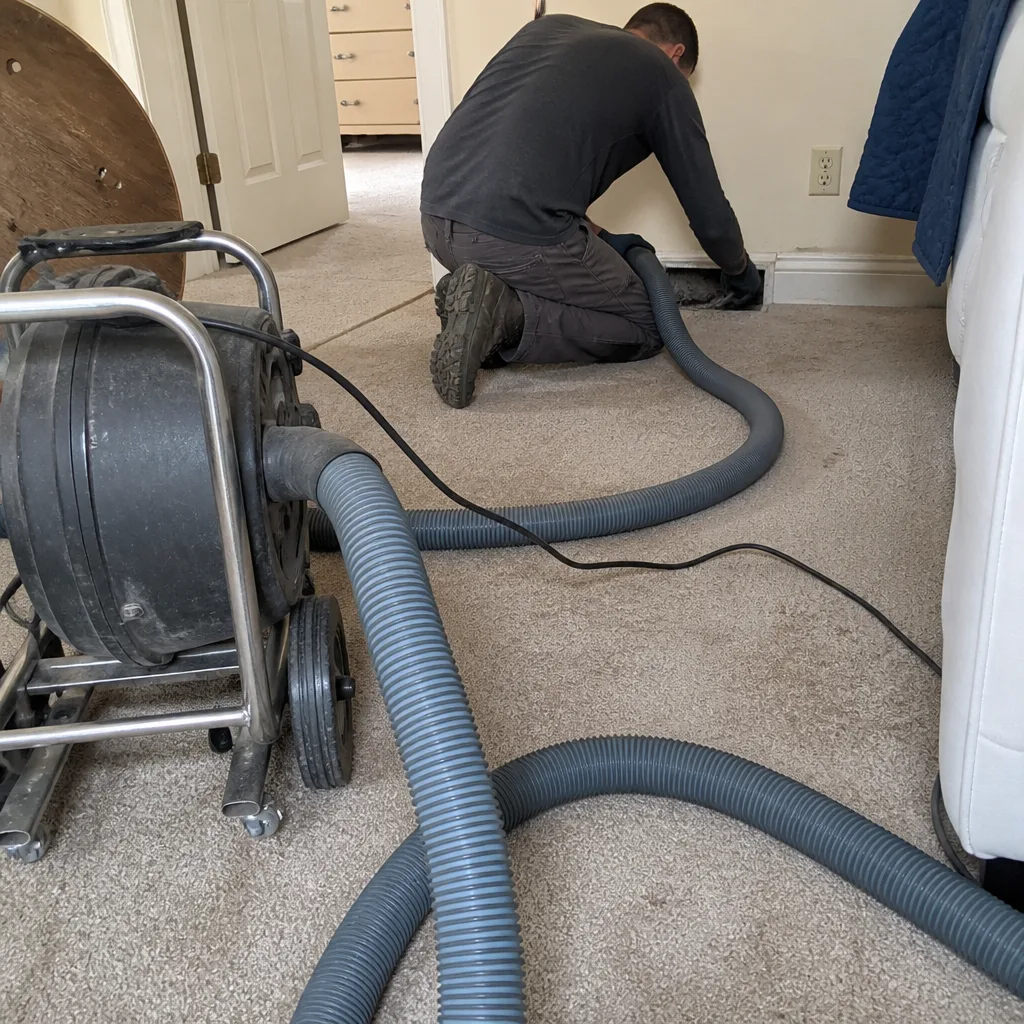 Before
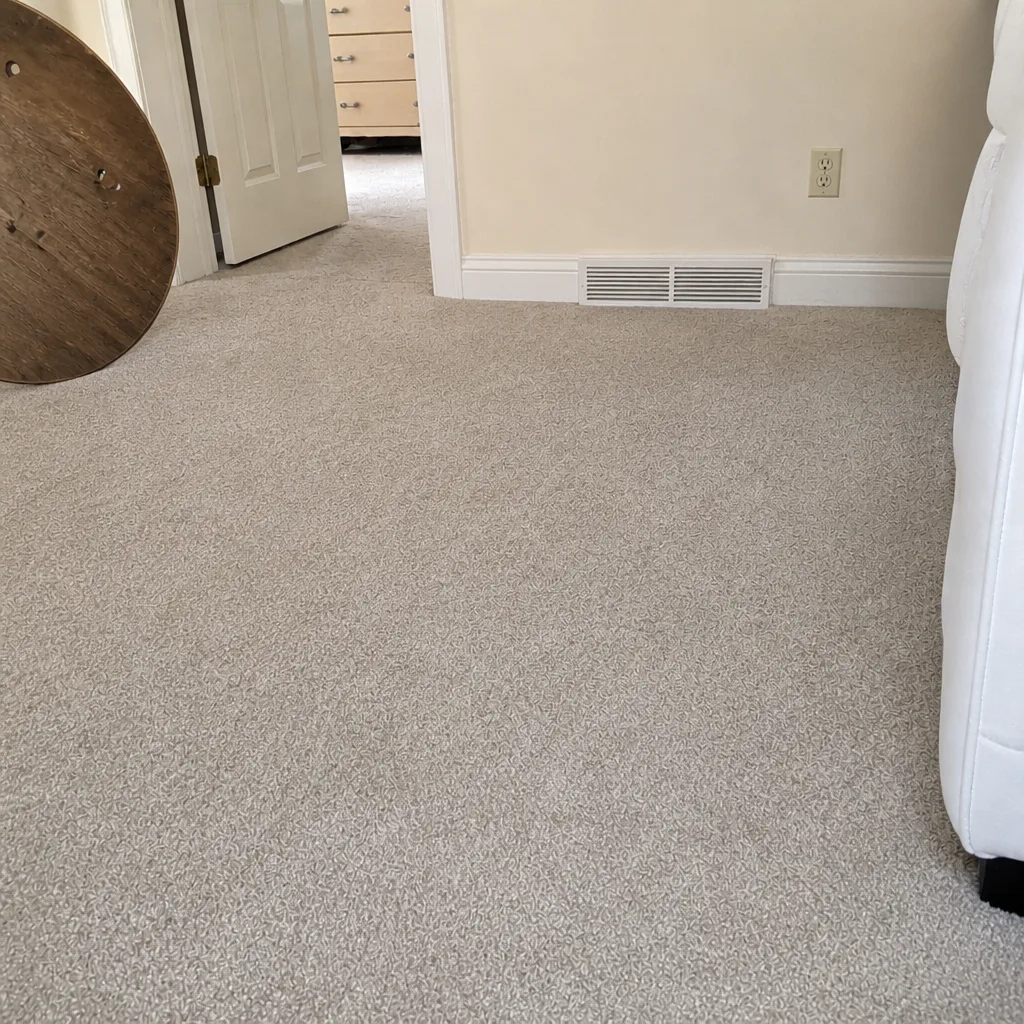 After
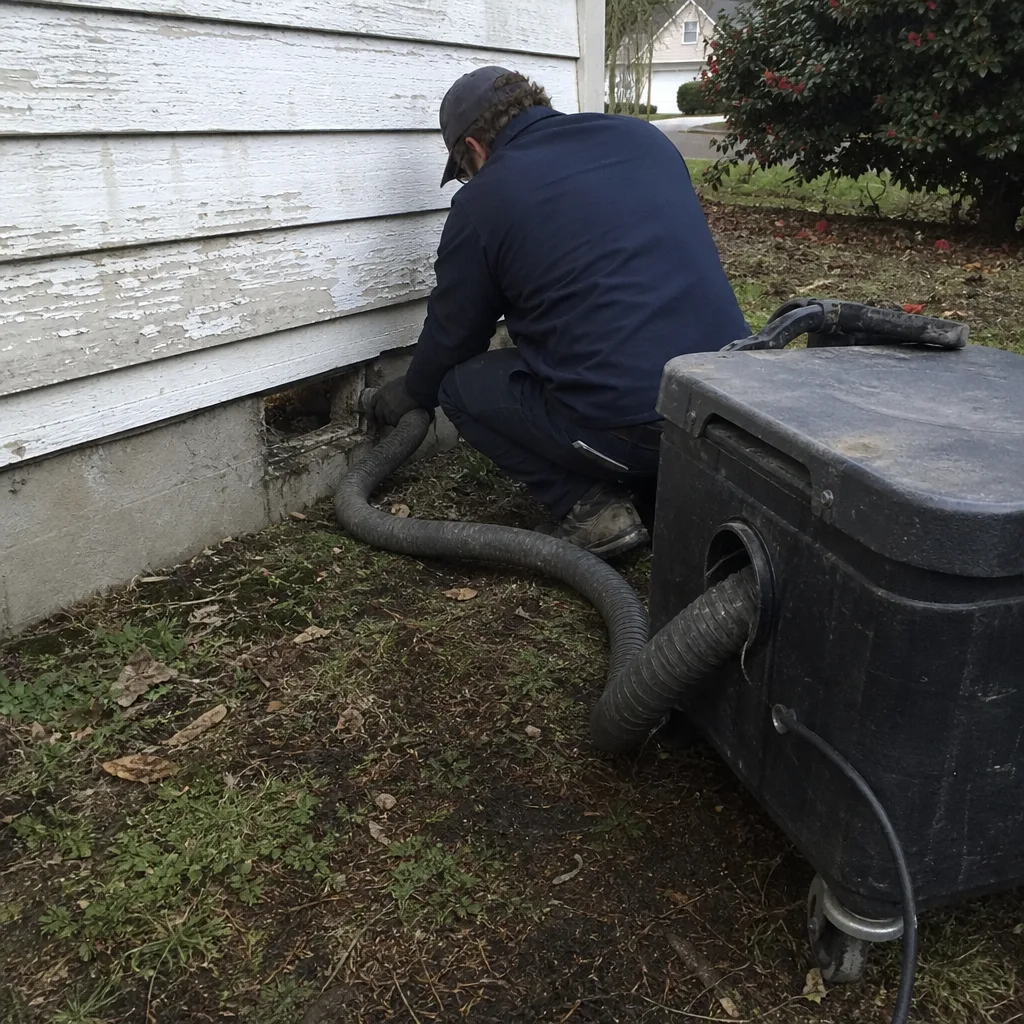 Before
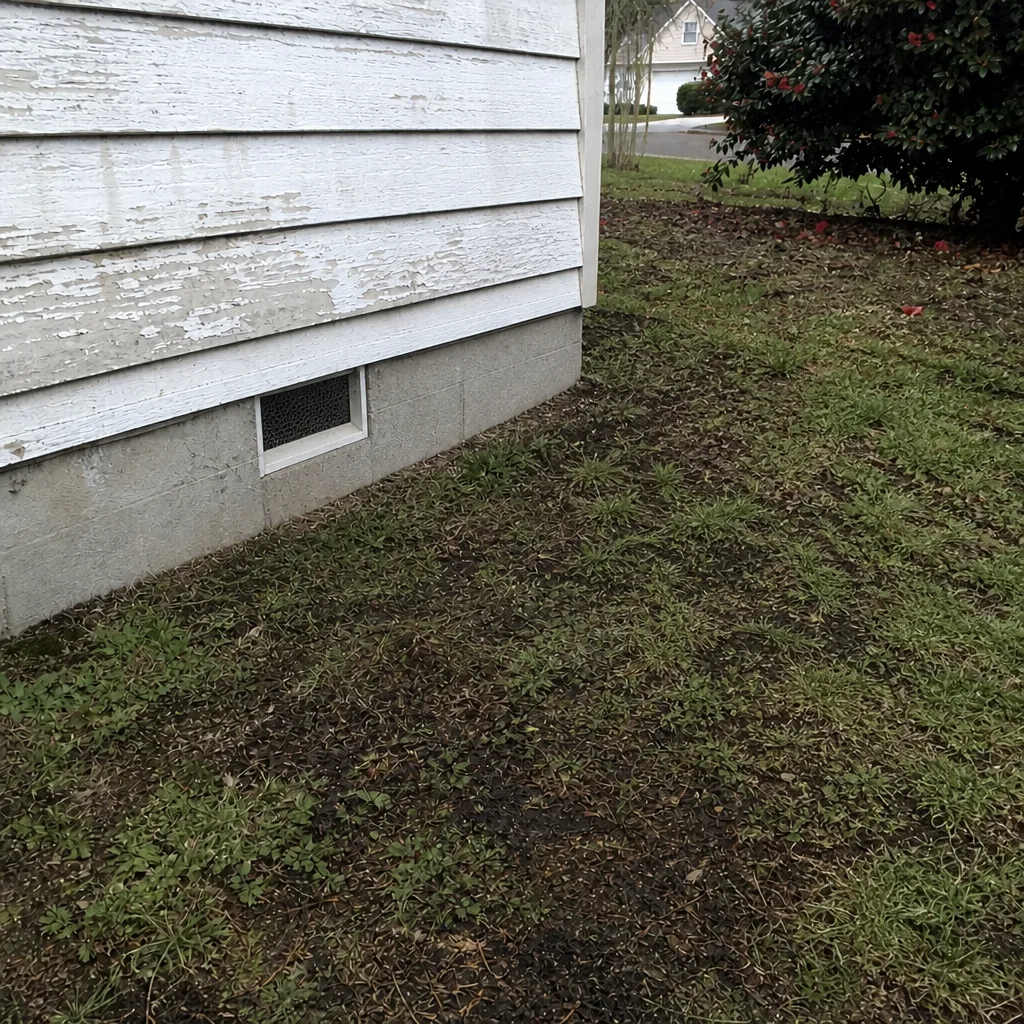 After
When to Call a Professional
Call a professional when the signs point to more than surface dust: visible debris blowing from registers, a musty odor you can’t place, a room that never gets enough airflow, a filter that clogs fast, or allergy symptoms that worsen indoors. Call sooner if you’ve had water intrusion or renovation work, or if a crawlspace return is pulling in humid air. And call if it’s simply been several years since the system was serviced – an inspection tells you whether you need cleaning or repair, and it’s better to know than to guess. Duct Cleaning Hillsboro offers free estimates in Hillsboro – call (866) 810-7564. We answer 24/7. Fast dispatch from 7am to 7pm, Sunday through Friday. Our technicians have up to 9 years of experience, and every visit starts with an inspection and ends with before-and-after photos of your own ducts.
Frequently Asked Questions
Air duct cleaning in Hillsboro typically runs about $300 to $600 for a standard home and $600 to $900 for a larger or heavily contaminated system, as an estimate set per job by the written estimate after inspection. The final price depends on the number of runs, accessibility, debris load, and whether any repair is needed. There’s no per-vent pricing and no coupon teaser; the number you agree to is the number on the invoice. Call (866) 810-7564 for an exact quote – estimates are free.
Cheap quotes are usually cheap because of what’s missing: no inspection, no HEPA extraction, or a price that’s deliberately low to get a technician to your door where it grows on the invoice. A real source-removal job takes equipment and time – a rotary contact tool, a HEPA vacuum, containment setup – and that cost doesn’t disappear. Ask what equipment they bring, whether they inspect first, and whether the quote is per system. If the answers are vague, the cheap price is the warning. Call (866) 810-7564 for an honest estimate from the start.
You know it was done when you get before-and-after photos of your own duct interiors, a written list of the components cleaned, a summary of what was found, and a check of airflow at the registers. If a company can’t show you your own ducts, before and after, you have no proof beyond a verbal claim. Documentation is the whole point of asking for photos of your specific system. Call (866) 810-7564 to book a visit where the report comes standard.
There’s no fixed interval that fits every home; the general “every few years” guidance is a starting point, and in Hillsboro’s damp climate the timing depends on the system and the household. Homes with pets, allergy-sensitive occupants, a crawlspace or garage return, or a history of moisture tend to need service sooner. Watch for signals – musty odors, blowing debris, uneven airflow, fast-clogging filters – and get an inspection rather than guessing. Call (866) 810-7564 for a free estimate.
It can, when the source of the problem is actually in the ductwork and the cleaning removes it rather than agitating it. Hillsboro’s damp months promote biofilm and dust-mite activity inside ducts, and a source-removal cleaning – contact cleaning plus HEPA extraction – removes the debris those organisms feed on. If moisture or a leaky run keeps feeding the problem, repair is part of the answer. An inspection tells you which case you’re in. Call (866) 810-7564 to schedule one.
Cleaning is enough when the ductwork is structurally sound – no collapsed runs, no leaky joints, no compromised liner holding moisture. When one of those problems is present, cleaning is temporary and repair is the fix that makes it last. The inspection is how you find out which case applies: the camera shows collapsed flex, damp liner, or leaky connections, and repair happens on the same visit rather than referred out. Call (866) 810-7564 and we’ll inspect before we quote, so you know the answer before you commit.
The Bottom Line
In Hillsboro, duct cleaning is a diagnostic process before it’s a service. The wet climate builds biofilm and dust-mite activity on duct walls, so the right question isn’t “when was this last cleaned” but “why is the debris there, and will cleaning it hold?” Source removal – contact cleaning plus HEPA extraction – clears what a blow-and-go job leaves behind. When the inspection turns up collapsed flex, leaky joints, or a damp liner, repair on the same visit is what makes the cleaning last, and a written report with before-and-after photos is what proves it was done. Clean ducts, confirmed. Call (866) 810-7564 for a free estimate. We answer 24/7. Fast dispatch from 7am to 7pm, Sunday through Friday. Related guides cover dryer vent cleaning and the broader Hillsboro service pages if you want to compare what each visit involves.
Written by the team at Duct Cleaning Hillsboro.