
Last updated November 14, 2026
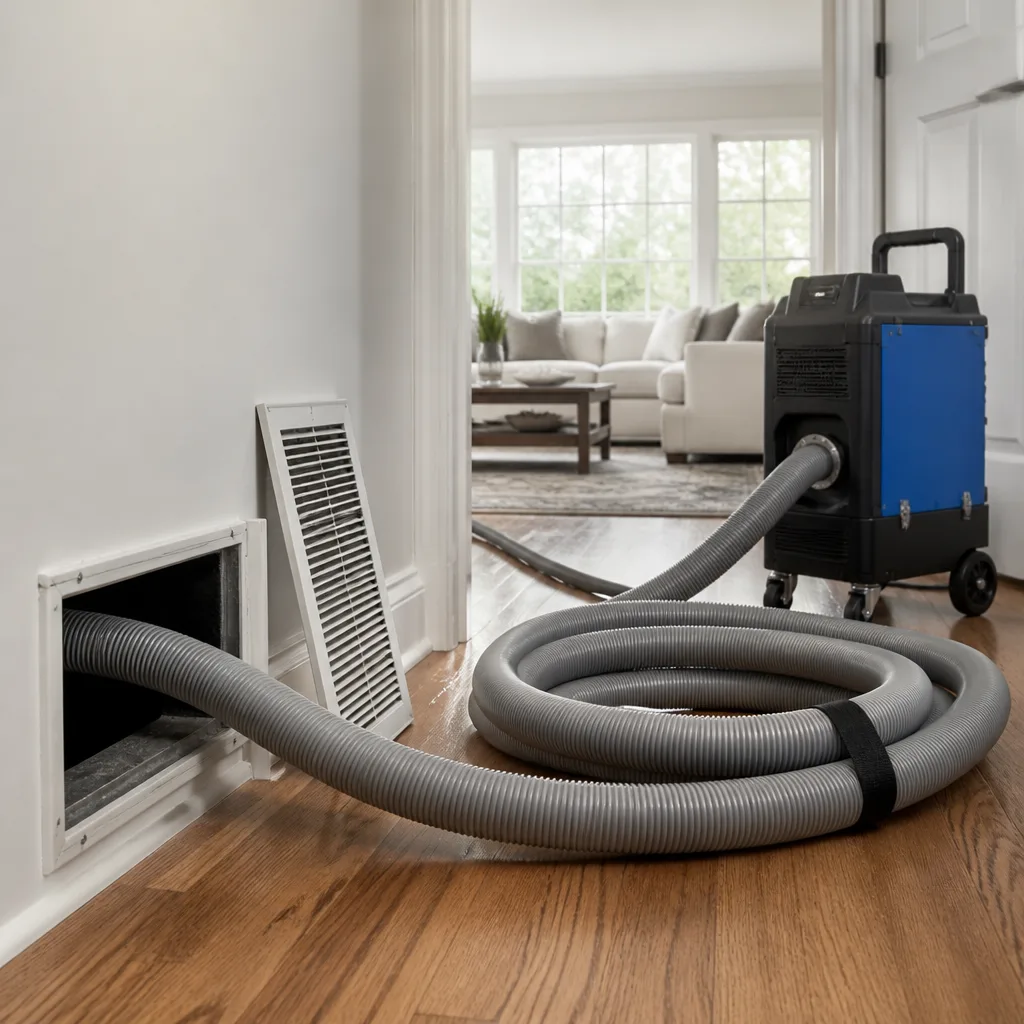 Whole-home duct cleaning
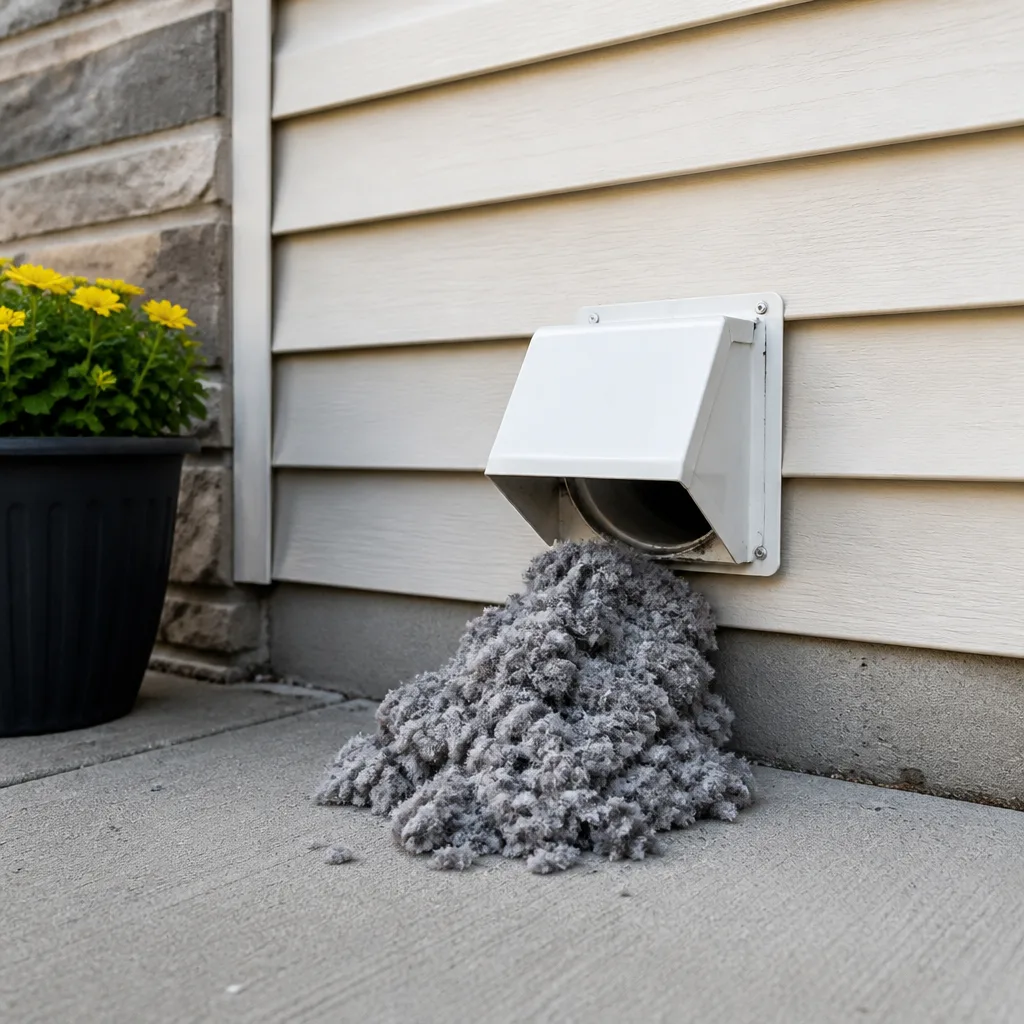 Dryer vent cleaning
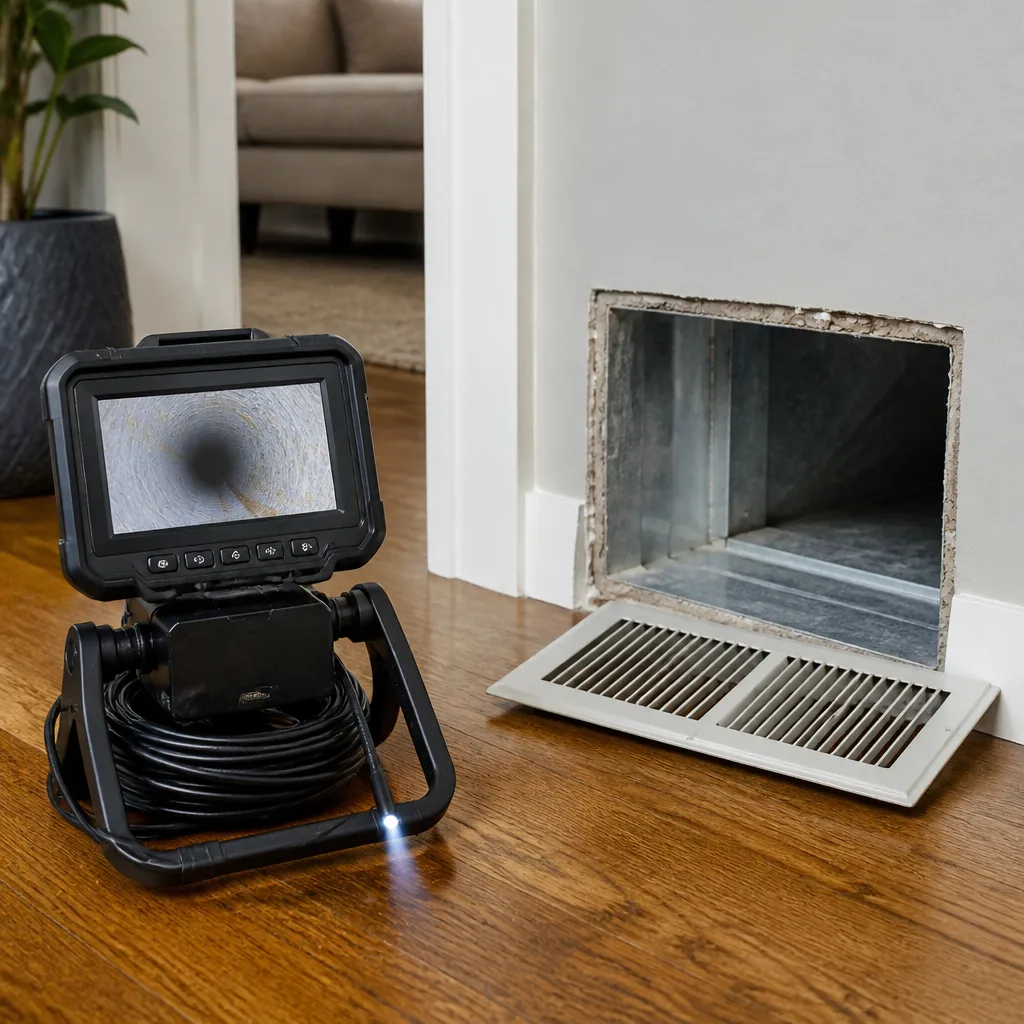 Camera inspection
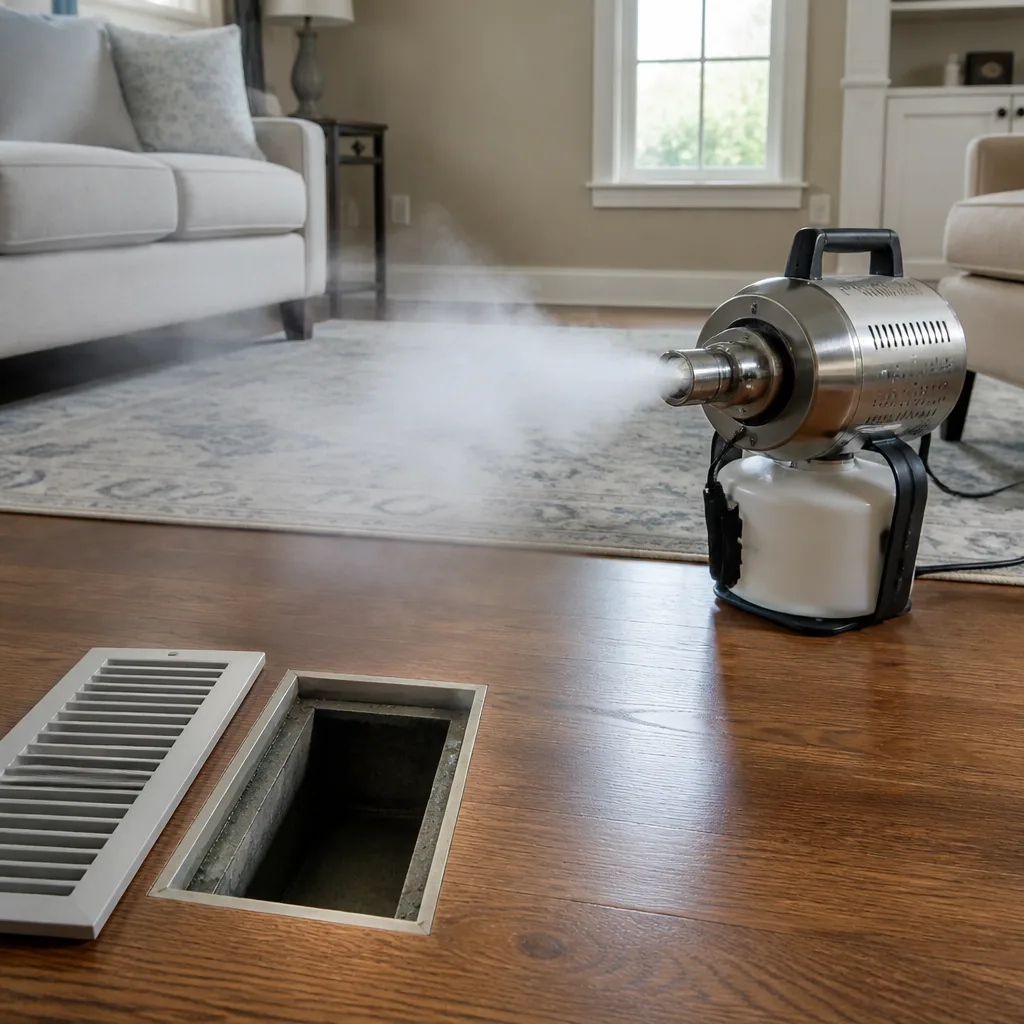 Sanitizing & deodorizing
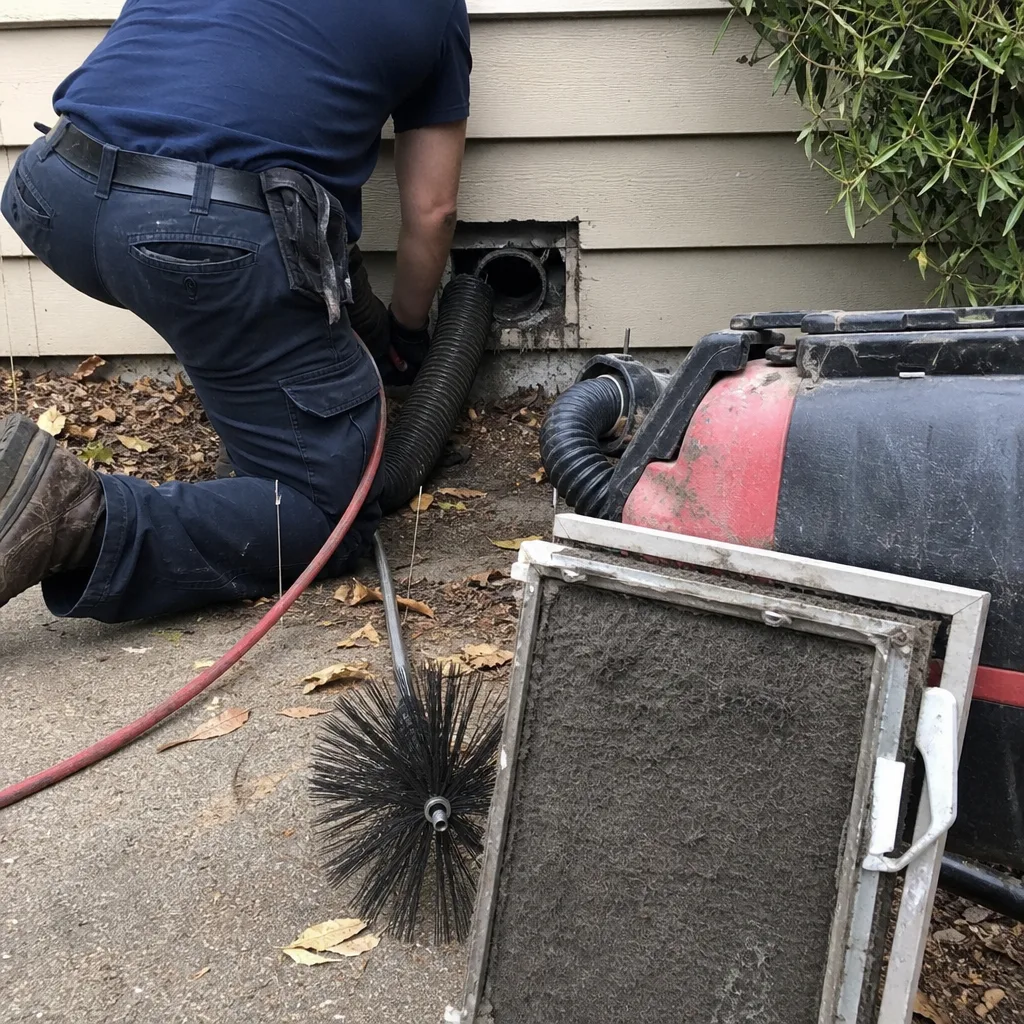
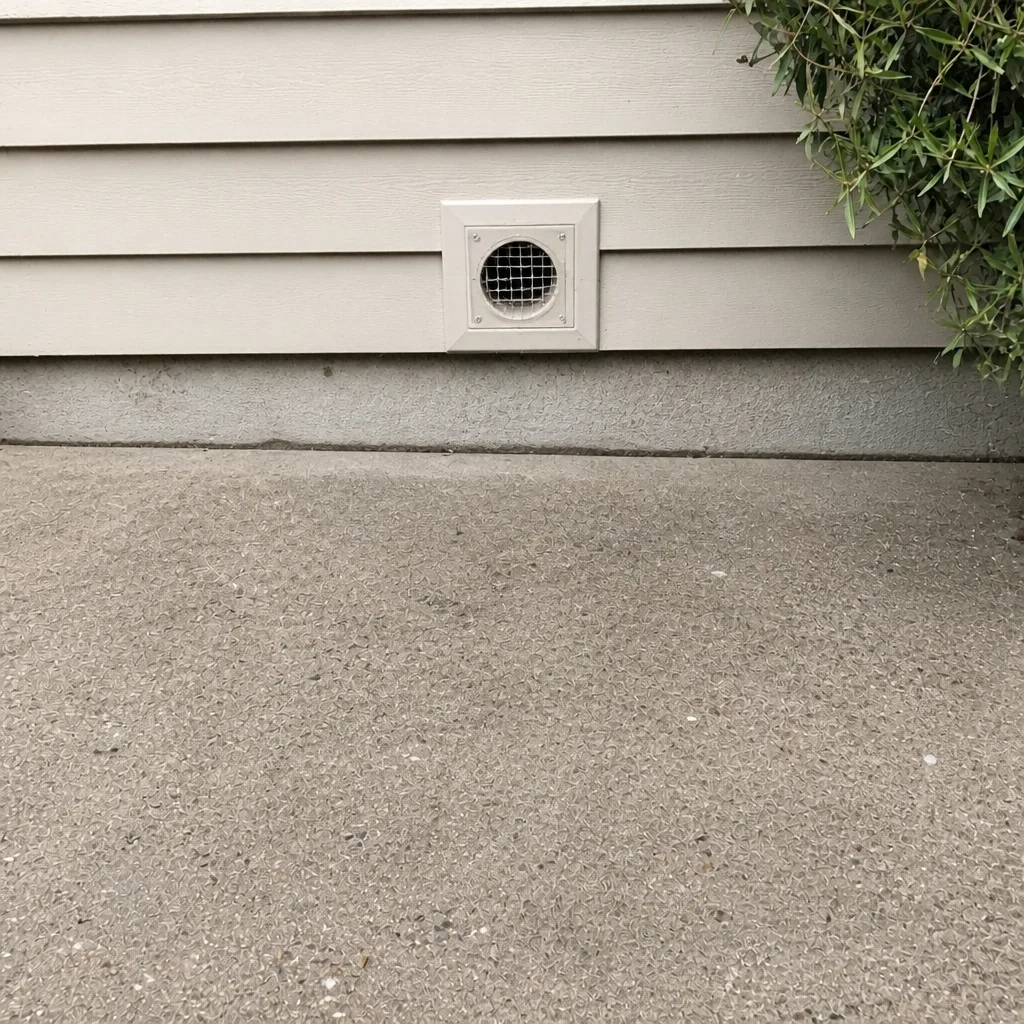
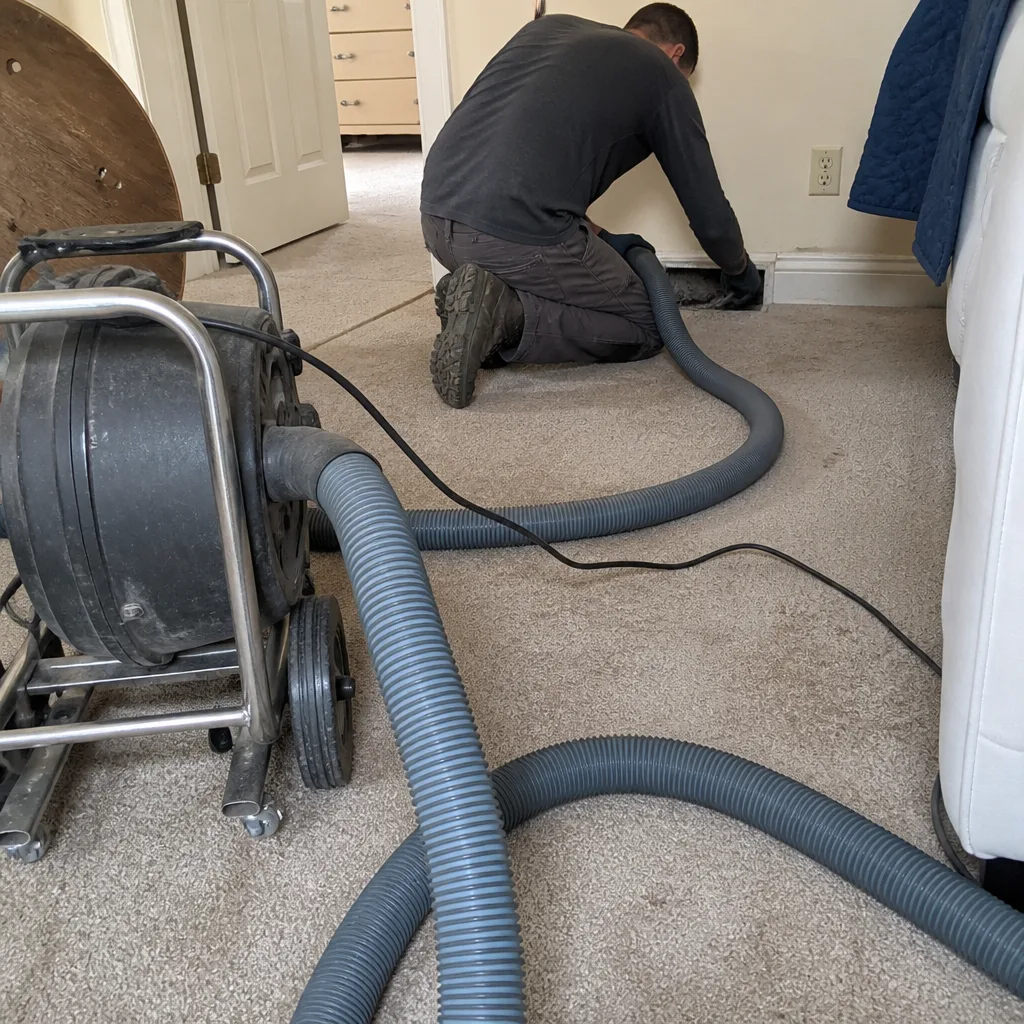
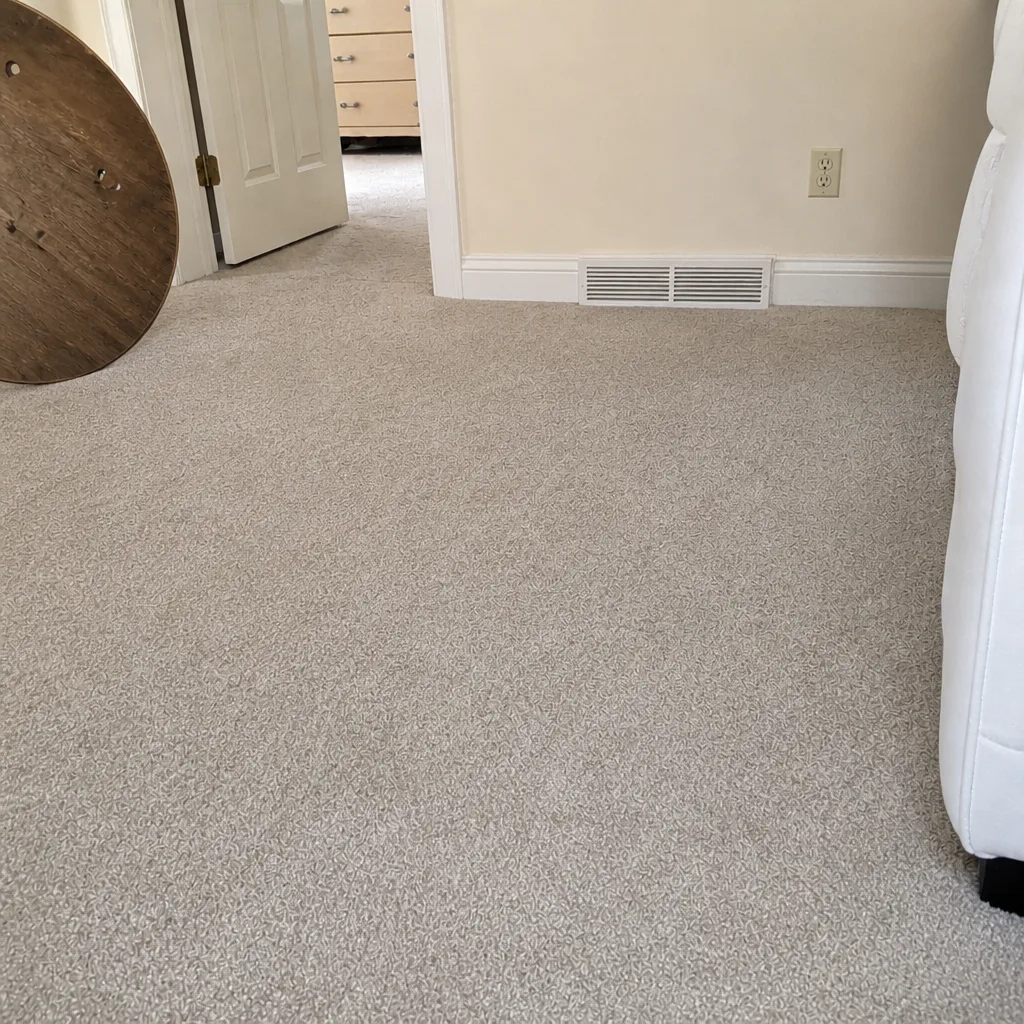
Whole-system duct and dryer vent check with before-and-after photos - you see exactly what came out of your vents
That "$99 whole-house special" is a bait ad - the real number appears once they are in your hallway, or the "clean" is a shop-vac at the register. We photograph the inside of your ducts before and after instead.
Air Duct Cleaning Permits, Codes & Inspections in Hillsboro, OR: What You Need to Know
No permit is needed to clean your ducts. A permit absolutely may be needed for what your technician finds inside them, and “we’ll handle it quietly” is not a compliant answer. Most homeowners in Hillsboro assume duct work is duct work, and that whoever shows up with a vacuum handles whatever comes up. In Oregon, the regulatory picture splits sharply between routine maintenance cleaning and anything that alters the duct system itself. This guide walks through where that line sits under the Oregon Mechanical Specialty Code, what Washington County expects when a technician installs an access panel or replaces damaged liner, how to verify a contractor’s Oregon CCB license, and what documentation to keep if the job crosses into repair territory.
Quick Answer
Routine air duct cleaning does not require a permit anywhere in Oregon, including Hillsboro. However, cutting new access panels, replacing or repairing duct liner, or modifying the duct system in ways that affect airflow or structural integrity can fall under the Oregon Mechanical Specialty Code and may require a permit through Washington County. Repairs performed without the proper permit and inspection can surface as problems during a home sale or insurance claim.
Styles & brands we work with
- Whole-home duct cleaning
- Dryer vent cleaning
- Camera inspection
- Sanitizing & deodorizing
Table of Contents
- Where’s the line between cleaning and construction?
- What the Oregon Mechanical Specialty Code covers
- Washington County building department requirements
- How to verify an Oregon CCB license (and what it doesn’t cover)
- Asbestos disclosure rules for pre-1980 Hillsboro homes
- What documentation to keep after duct repair
- What an inspector actually looks for
- How Hillsboro’s climate and housing stock affect the answer
Where’s the line between cleaning and construction?
The simplest way to think about it: if the technician is removing what’s in your ducts, you’re in maintenance territory. If the technician is changing the ducts themselves, you may be in permit territory. Cleaning is not regulated by building code. Alteration is.
Here’s how the split usually plays out on a real job in Hillsboro:
- Routine cleaning – rotary contact cleaning and HEPA extraction through existing registers and returns. No permit. No inspection.
- Access panel installation – cutting a new opening into trunk or branch ductwork to reach a section that’s inaccessible otherwise. Often permit territory. More on this below.
- Liner repair or replacement – removing, patching, or replacing interior duct liner. This is a modification, and it triggers code review in most jurisdictions.
- Duct section replacement – swapping out a collapsed, crushed, or disconnected run of flex or hard duct. This is mechanical work and almost always requires a permit.
- Adding a return or supply run – new ductwork to serve a room. Definitely a permit job.
The awkward part is that a cleaning job sometimes finds a problem. We open up a duct system expecting to clean it, and there’s a collapsed run behind a soffit, or liner that’s broken down into dust and sitting on the sheet metal. That’s not uncommon in older Hillsboro homes. At that point the work shifts from cleaning to repair, and the permit question becomes real.
We repair what we find, and we walk a homeowner through what each repair triggers. What we don’t do is quietly patch a duct system and let the homeowner discover the paper trail problem years later. If your technician is evasive about the permit question after finding damage, that’s a signal worth acting on.
What the Oregon Mechanical Specialty Code covers
The Oregon Mechanical Specialty Code is Oregon’s adopted version of the International Mechanical Code, and it’s the document that governs most HVAC-related work in this state. It defines what counts as “mechanical work” requiring a permit, and it distinguishes that from maintenance that doesn’t.
Broadly speaking, the code treats cleaning as maintenance. The code treats cutting, joining, replacing, and altering ductwork as mechanical work. The exact thresholds and exceptions are worth confirming with the Washington County building department for any specific job, but the categories are consistent:
- Inspection and cleaning of existing ducts – maintenance. No permit.
- Repair of a duct component with like-for-like parts – often maintenance, but jurisdictions differ.
- Replacing duct sections, adding access, or extending the system – mechanical work. Permit expected.
- Any work affecting the structural integrity of the duct system – mechanical work. Permit expected.
The subtlety that catches people is access. When a technician cuts a hole to reach a section of ductwork, they’re technically modifying the duct system. Whether that rises to permit territory depends on the size of the opening and whether it’s being fitted with a permanent access panel. Small inspection holes that get sealed back are different from a proper installed access door.
If your technician needs to add an access panel to do the job right, ask the question: does this need a permit? The answer in Hillsboro is sometimes yes, sometimes no, and the honest answer depends on the specifics. Any contractor who gives you an unconditional “no, never” without asking the details is guessing.
Washington County building department requirements
Hillsboro sits inside Washington County, and building permits for mechanical work in Hillsboro are typically handled through the city’s own permit center working in coordination with county and state code standards. The practical answer for a homeowner is the same either way: when in doubt, ask the permit office, not the contractor.
Specifically:
- Permit applications go through the City of Hillsboro’s building division for work within city limits. Unincorporated Washington County has its own process.
- Access panel installation is evaluated on a case-by-case basis. A small access cut to inspect a concealed duct section is often treated as maintenance. A larger permanent panel added for routine access may require a permit and inspection.
- Liner replacement typically requires a permit because it changes the interior surface of the duct system and can affect airflow and fire performance.
- Duct repair that changes the footprint – replacing a collapsed section with a different length or configuration – is nearly always a permit job.
One pattern we’ve seen: a homeowner has duct cleaning done, the technician finds a crushed flex run, and the fix gets performed on the same visit without any paperwork. It seems convenient. It becomes inconvenient at resale, when a home inspector notices fresh sheet metal work inside a return plenum and asks for the permit. In an active Hillsboro housing market where buyers are scrutinizing mechanical systems, missing paperwork on a duct repair is a real sale delay.
The permit process for duct work is not onerous when it’s done correctly. The punch list is short, the inspection is quick, and the resulting record lives with the property for as long as it matters. Performing the work without the permit is cheaper now and more expensive later.
How to verify an Oregon CCB license (and what it doesn’t cover)
The Oregon Construction Contractors Board (CCB) is the state body that licenses contractors, and any contractor performing work on your home for compensation is generally required to hold a CCB license. Verifying a license takes about two minutes online and should happen before any duct work begins, cleaning included.
Here’s the process:
- Ask for the CCB number in writing. Any contractor who won’t share it is a contractor to skip.
- Look the number up on the CCB’s public license search. You’ll see the license status, the licensed business name, and any history of complaints or disciplinary actions.
- Confirm the license is active and in the right category for the work being performed. Residential and commercial endorsements differ.
- Ask about insurance separately. Liability insurance and workers’ comp are tracked separately from the CCB license. Insured & bonded is a phrase worth verifying, not just hearing.
What the CCB license covers is general contractor competency and business compliance. What it does not cover is a specific HVAC specialty. Oregon does not have a standalone “duct cleaning license” as a category. The work falls under the general contractor license, and specific competency for HVAC mechanical work is a separate question.
In practice, this means a CCB license is the floor, not the ceiling. A contractor holding a CCB license is legally allowed to operate, but the license itself doesn’t guarantee competence with duct systems. Asking about equipment and process matters more than asking for the number. If the contractor can name the extraction system they use (Nikro HEPA units are common; so are Rotobrush contact-cleaning setups) and explain how the containment works, that’s a signal you’re talking to someone who knows the trade.
Asbestos disclosure rules for pre-1980 Hillsboro homes
This is the section most Hillsboro homeowners skip, and it’s the one that matters most for safety. Duct systems in homes built before roughly 1980 may contain asbestos-containing materials. The two most common places are the duct wrap insulation on older rigid ductwork and the sealing compounds used at joints.
Oregon follows federal rules here. For our purposes, the important points are:
- Asbestos is a regulated material in Oregon, and disturbing it without proper controls is a violation and a health hazard.
- Pre-1980 homes in Hillsboro – particularly in older neighborhoods near downtown – are the properties where this concern lives.
- A cleaning job that breaks into friable material can release fibers. That is genuinely unsafe, and it’s why containment matters.
- Disclosure to the contractor is on the homeowner. If you know or suspect your home has asbestos, tell the contractor before work begins.
We won’t give a homeowner step-by-step instructions for handling this themselves. Asbestos is a safety issue that we flag with every homeowner in an older Hillsboro home, and we recommend the appropriate tests and professional handling whenever there’s any doubt. Restoration-grade containment equipment matters precisely because it prevents fibers from escaping into living space during work. If you’re considering duct cleaning on a pre-1980 home and the contractor can’t explain their containment protocol, that’s a red flag.
For a home that’s been previously tested and cleared, this section is mostly a name-check. For a home that hasn’t, it’s the first question we ask.
What documentation to keep after duct repair
If your duct job crossed into repair or modification territory, keep the paper. This is not clerical fussiness. Duct work documentation is one of the more common things a home inspector asks for and one of the easiest things a homeowner fails to provide at resale.
Keep:
- The permit number, if a permit was pulled. This is the most important single document.
- The inspection card or sign-off showing the work passed final inspection.
- The written estimate describing the scope – what duct sections were affected, what was replaced, what was added.
- Before-and-after photos of the interior of the duct system. Any contractor doing professional work takes these. They’re your evidence the work was done.
- The contractor’s CCB number and business name as it appears on the invoice.
- Material documentation if liner or sealant was replaced. Brand and product name matter for any future questions.
Store these with your home’s other mechanical system paperwork (furnace service records, water heater install, etc.). When a realtor or buyer’s inspector asks, you’ll have it in one place.
If duct cleaning was done without any repair, keep the invoice and the before-and-after photos anyway. Nothing in the code requires it, but documentation of regular maintenance is a soft asset at resale and an easy line item to include in a seller’s disclosure.
What an inspector actually looks for
When a permit is pulled for duct repair, the inspection is straightforward. The building inspector is confirming that the installed work meets code, that the duct is sealed properly, that supports are adequate, and that the system still functions as designed.
Specifically, the inspector will typically check:
- Duct sealing at joints and connections. Mastic or approved tape, not duct tape.
- Support spacing for flex and rigid runs. Sagging ductwork fails inspection.
- Access panel size and location if any was added. It needs to be serviceable.
- Fire and smoke separation where duct passes through walls or floors. Any break in the barrier needs to be restored.
- Liner integrity if liner was replaced. Confirming it’s sealed to the sheet metal with no loose edges.
What the inspector will not check: whether the inside of the duct was actually cleaned. That’s not the inspector’s job, and it’s worth being clear about this. A permit and passed inspection confirm the work was structurally compliant. They don’t confirm a quality cleaning. Quality cleaning is on the contractor.
This is where the two questions split: was the work permitted and inspected, and was the work actually done well? A homeowner needs both answers, and they come from different sources. For quality, the before-and-after photos are the record. For compliance, the permit is the record.
How Hillsboro’s climate and housing stock affect the answer
Hillsboro’s climate is mild and wet, and this shapes what a duct cleaning actually finds. The rainy season here runs long, and homes stay closed up for months at a stretch. Humidity inside the envelope rises, and duct systems that aren’t sealed properly collect that moisture. That’s the condition that grows musty odors and, eventually, supports mold growth on duct surfaces. It’s why cleaning in Hillsboro is not really a spring chore – it’s a moisture-management question.
The housing stock matters too. Hillsboro includes neighborhoods with homes from the 1940s through new construction, and each era of home has its own duct characteristics. Older homes near downtown and in the historic districts were often built with rigid metal ductwork that may have asbestos-containing wrap. Mid-century homes have flex duct runs added during subsequent remodels. Newer construction in the western parts of Hillsboro tends to have sealed, insulated flex systems that hold up longer between cleanings.
For the permit question specifically, the practical result is this: the older the home, the more likely the cleaning will find something that triggers a repair conversation, and the more likely a permit becomes relevant. Mixed-humidity conditions also mean a homeowner in Hillsboro is more likely to have duct liner breaking down over time, which is one of the repairs that usually needs a permit.
If you want a straightforward starting point, look at our air duct cleaning service page. It covers what a standard cleaning includes and what we flag when we see a problem. For dryer vent concerns specifically, the dryer vent cleaning page has its own safety-focused information – dryer vents are a different code conversation because the fire risk is more urgent and the paperwork is simpler.
Common Mistakes to Avoid
- Assuming duct cleaning itself needs a permit. It doesn’t. The mistake is going too far in the other direction and assuming nothing in a duct job needs one. Cutting and repairing does.
- Letting a technician quietly “handle” a damaged duct. Convenience now means paperwork problems later, and it means the repair isn’t inspected. If repair work happens on the same visit as cleaning, ask directly: are we pulling a permit for this?
- Skipping the CCB check because the estimate looked professional. Every licensed contractor in Oregon has a lookup page. Two minutes of verification protects thousands of dollars of work.
- Not disclosing a pre-1980 home before work begins. If you’re not sure about the age of your duct insulation, say so. That triggers a different protocol, and a contractor who knows the trade will ask the age question anyway.
- Never asking for before-and-after photos. The photos are the only record that the work was actually done inside the ducts where you can’t see. A contractor who doesn’t provide them is asking you to take a lot on faith.
- Throwing away the permit paperwork. Keep the permit number and inspection sign-off with your home records. It’ll matter at resale and it might matter for an insurance claim.
- Assuming a passed inspection means a quality cleaning. Those are different checks. The inspector confirms the work complied with code. Quality of the cleaning is between you and the contractor.
See the difference
 Before
 After
 Before
 After
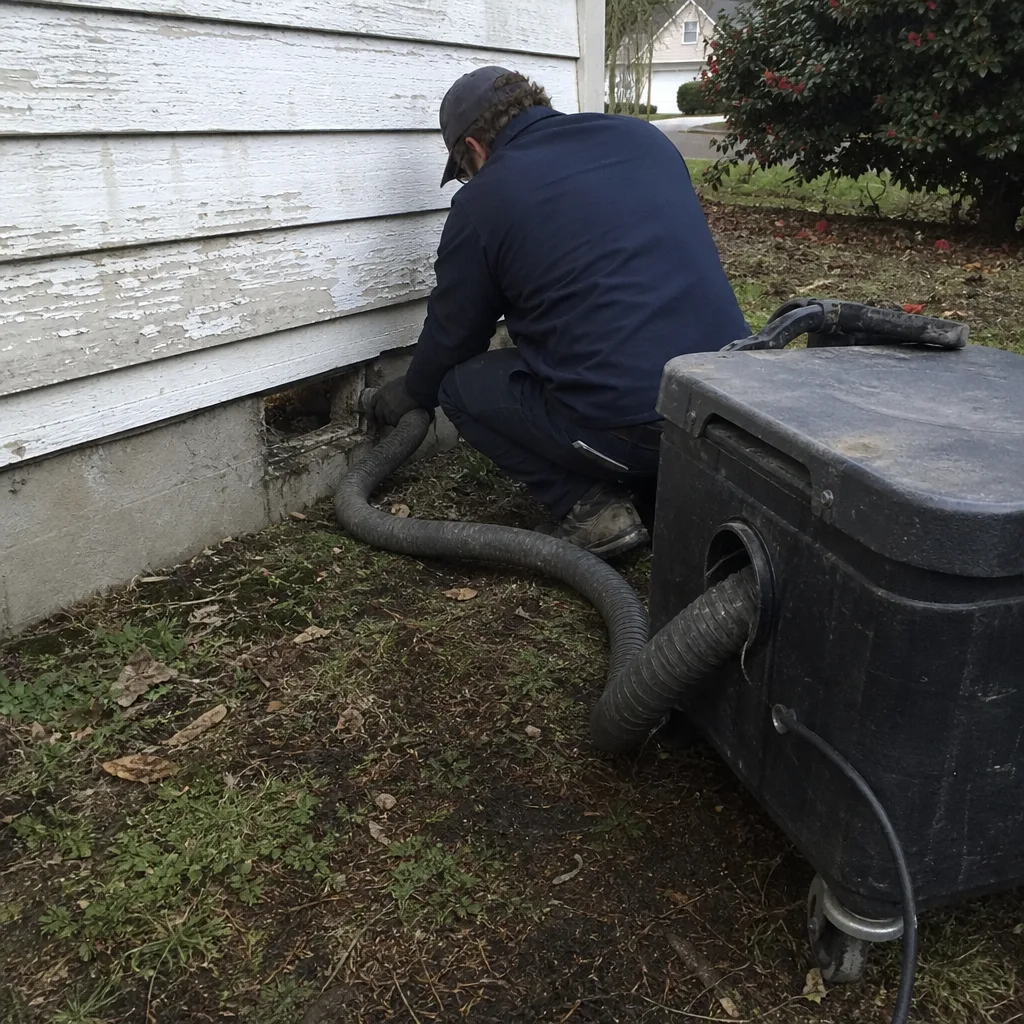 Before
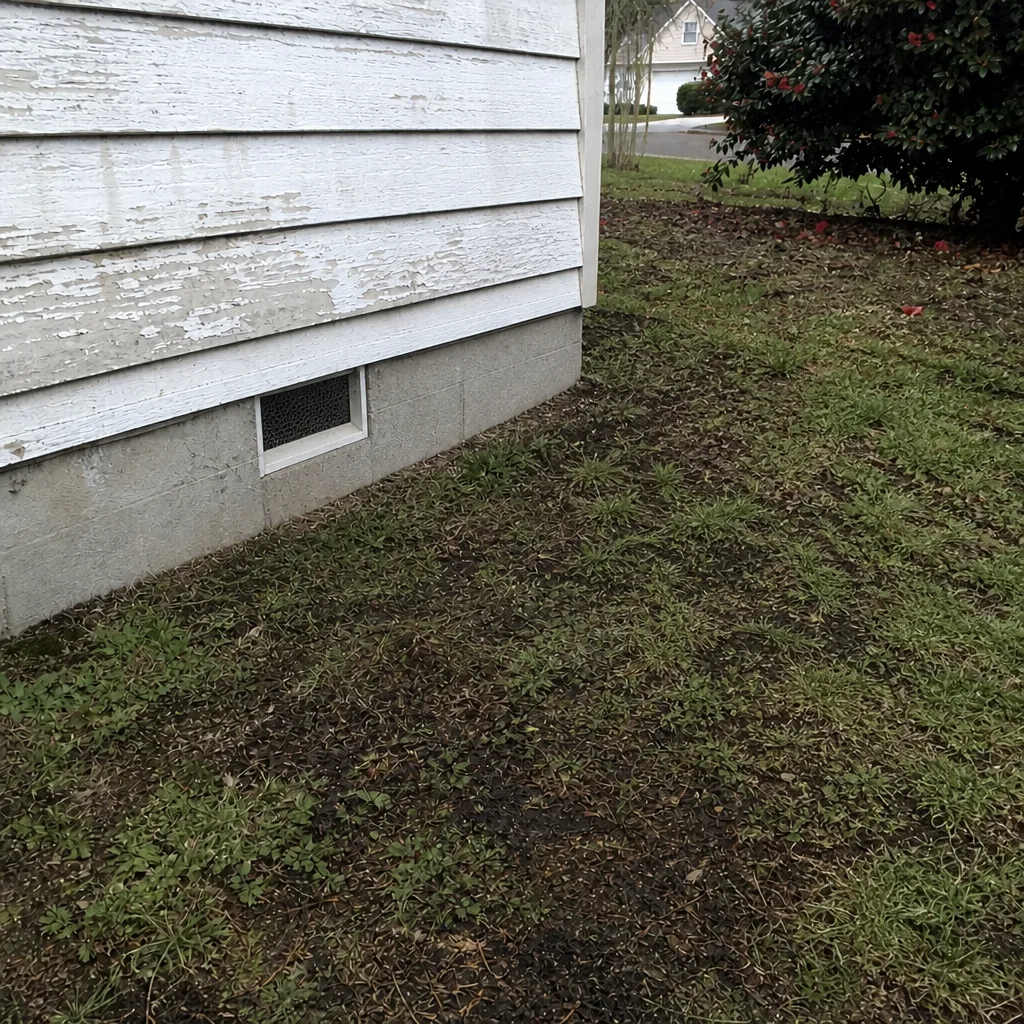 After
When to Call a Professional
Some duct questions are ones you can answer yourself with a flashlight and an hour on a ladder. The permit-and-code questions are not – they depend on what’s actually inside the duct system, and that requires cutting or opening it. If your home is pre-1980 and you’ve never had the ductwork inspected, or if your contractor is suggesting duct repair without a clear answer on the permit, call a professional for a walkthrough before anything else happens.
Same if you’re in a Hillsboro home and seeing repeated dust buildup at registers, musty odors when the heat comes on, or inconsistent airflow between rooms. Those are symptoms that a cleaning job might find something. Knowing what’s there before deciding on repair is worth a scheduled visit rather than a phone judgment. Duct Cleaning Hillsboro offers free estimates in Hillsboro – call (866) 810-7564 to book one. We answer 24/7. Fast dispatch from 7am to 7pm, Sunday through Friday.
Frequently Asked Questions
No. Routine air duct cleaning does not require a permit in Hillsboro or anywhere else in Oregon, because it’s considered maintenance rather than construction. The permit question only arises when the work crosses into repair or modification – access panels, liner work, or duct replacement. If your technician is proposing anything beyond cleaning, ask whether a permit is required for the specific scope.
Often, yes. Replacing duct sections, adding permanent access panels, or replacing liner typically requires a permit through the local building department, whether that’s the City of Hillsboro’s permit process or Washington County’s for unincorporated areas. Confirming with the building department before work begins is the safe path. Repairs performed without a permit can raise questions at resale and during insurance claims.
Ask for the CCB number in writing, then look it up on the Oregon Construction Contractors Board’s public license search. The lookup shows active status, licensed business name, and any complaint or disciplinary history. Do this before any duct work begins, including cleaning. A CCB license is the legal floor for operating in Oregon, and it’s worth confirming that insurance and workers’ comp are also in place.
Possibly, and it’s worth taking seriously. Duct wrap insulation and joint sealants in pre-1980 homes can contain asbestos, and disturbing it during cleaning or repair can release fibers. Disclose the home’s age to your contractor before work begins so the right containment protocol is used. This is not a DIY inspection question – asbestos should be handled by trained professionals, and testing rather than assumption is how you get a real answer.
Keep the permit number, the inspection sign-off, the written estimate describing the scope, before-and-after photos of the duct interior, and the contractor’s CCB number. Store these with the home’s other mechanical records. At resale, home inspectors and buyers do look for this paperwork, and missing it can delay a sale or invite a price conversation.
There’s no single interval, and any contractor quoting one is guessing. Hillsboro’s wet, closed-up winters mean moisture management matters more than calendar years, so a cleaning interval of a few years is common for homes without pets or smokers, and shorter for homes with either. The better signal is symptoms: visible dust at registers, musty odors, uneven airflow, or a recent remodel. If those are present, a free estimate is worth more than a maintenance calendar.
The Bottom Line
Cleaning your ducts doesn’t need a permit. What the cleaning finds can change that in a hurry. The Oregon Mechanical Specialty Code draws a real line between maintenance and modification, and duct repair crosses it often enough that Hillsboro homeowners should know where it sits. Verify the CCB license. Disclose a pre-1980 home. Keep the paperwork if a repair is done, and get the before-and-after photos regardless. Our technicians have up to 9 years of experience with these questions on Hillsboro homes, and we’ve watched too many homeowners discover a permit problem at the worst possible moment. The fix is simple: ask before the work begins. Call (866) 810-7564 for a free estimate. We answer 24/7. Fast dispatch from 7am to 7pm, Sunday through Friday. For a full picture of our Duct Cleaning Hillsboro services and how the process works, and to see what we cover across Hillsboro, start there.
Written by the team at Duct Cleaning Hillsboro.