
Last updated November 14, 2026
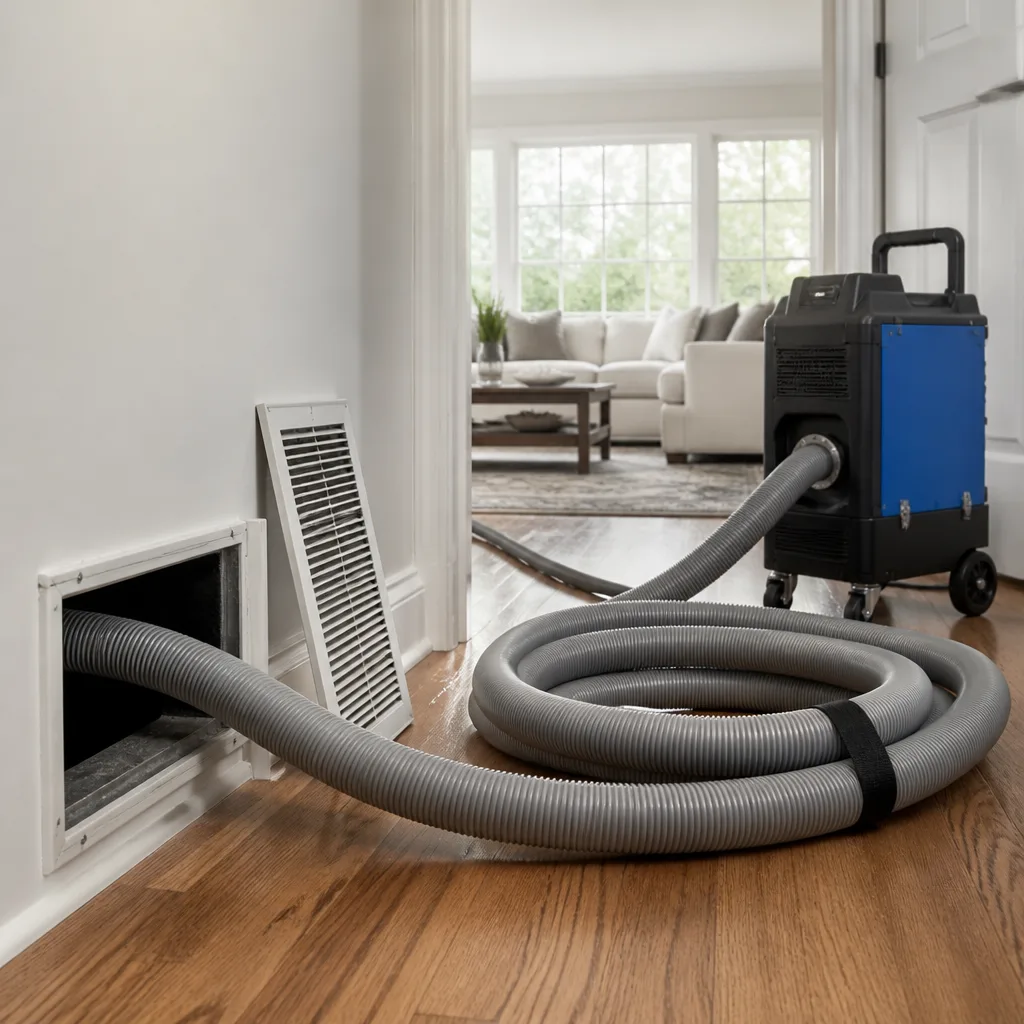 Whole-home duct cleaning
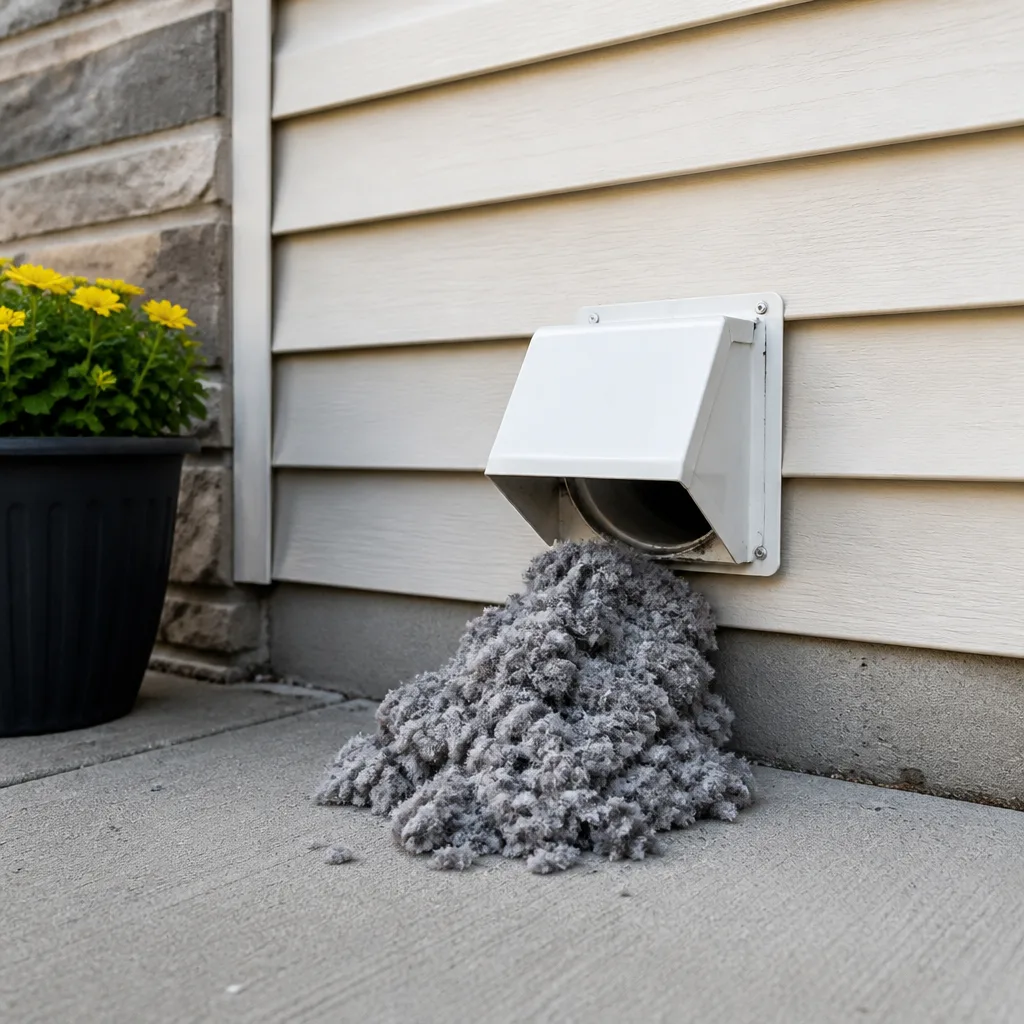 Dryer vent cleaning
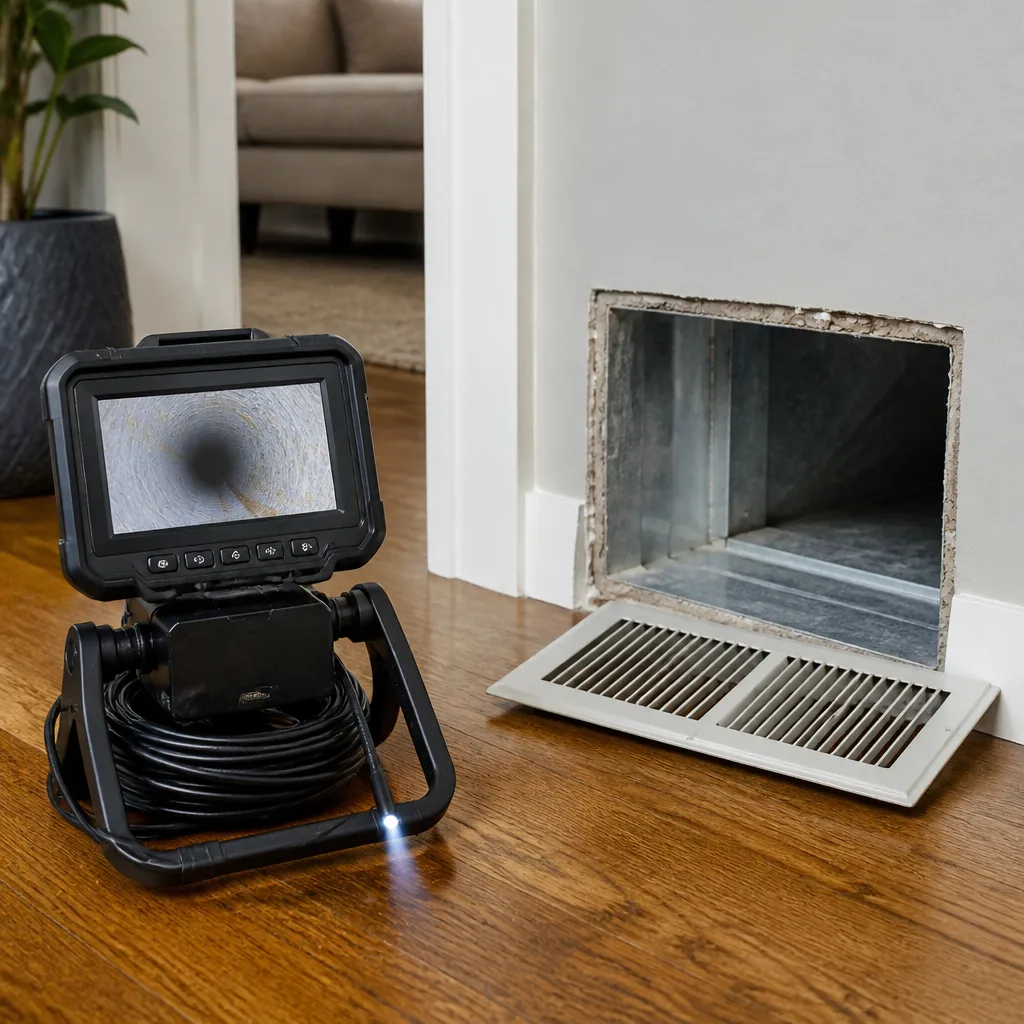 Camera inspection
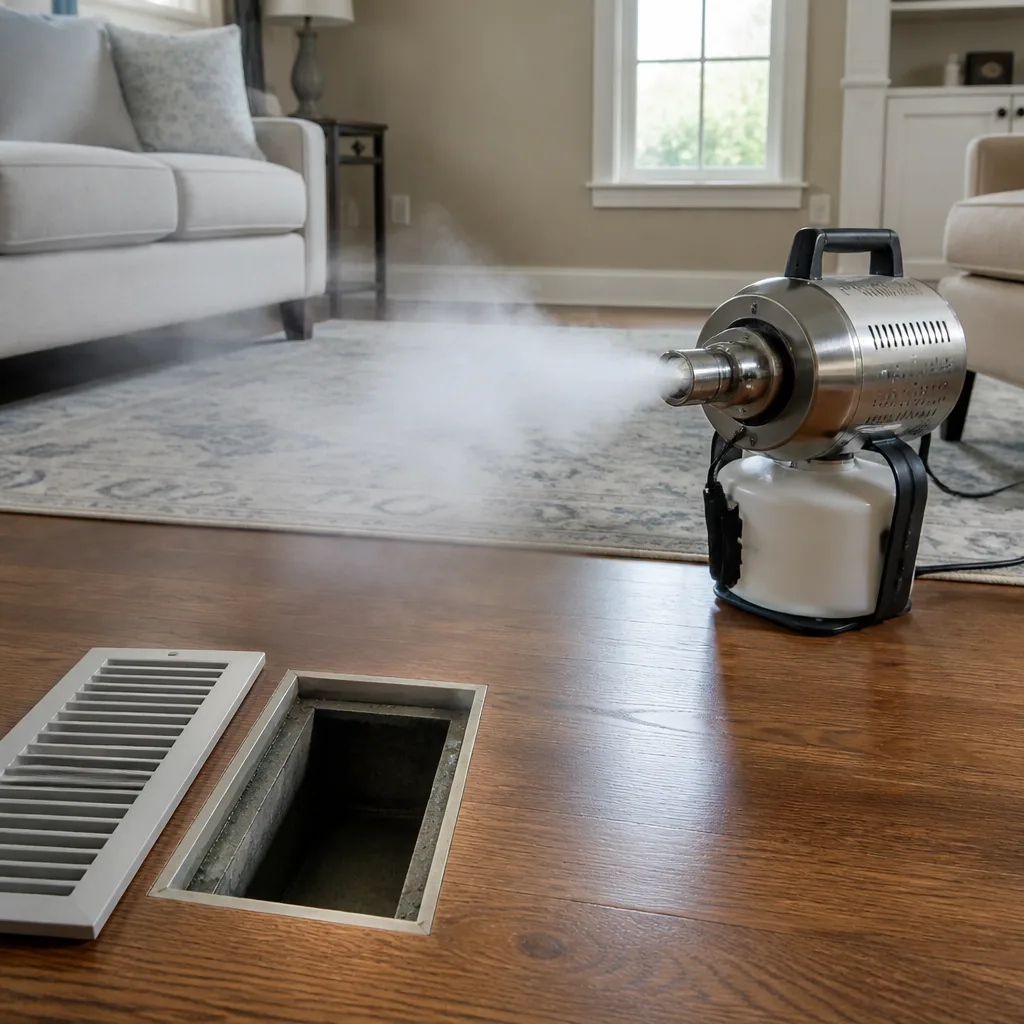 Sanitizing & deodorizing
Whole-system duct and dryer vent check with before-and-after photos - you see exactly what came out of your vents
That "$99 whole-house special" is a bait ad - the real number appears once they are in your hallway, or the "clean" is a shop-vac at the register. We photograph the inside of your ducts before and after instead.
Air Duct Cleaning Maintenance Schedule: What to Do and When
Most homeowners who ask how often ducts should be cleaned already expect a single number. Five years, maybe three. The trouble is that the three-to-five-year interval everyone quotes was never a prescription. It’s a floor, and it was written before high-MERV filters, open-concept floor plans and today’s construction dust loads were common. Two houses on the same Hillsboro street can have wildly different accumulation rates depending on pets, renovation history, occupancy and how many hours the blower actually runs. This guide builds a maintenance calendar around those variables instead of the average, so you’re cleaning based on what’s really collecting in your ducts – and we’ll show you what to do in between.
Quick Answer
There’s no single interval that fits every home. Full duct cleaning is typically needed every 1 to 3 years in homes with pets, recent renovation, allergy sufferers or long HVAC runtime, and every 3 to 5 years in low-occupancy homes with good filtration. Filter changes happen monthly, supply grille cleaning quarterly, and post-renovation cleaning is a mandatory reset – not optional. In Hillsboro, time your annual inspection around the wet shoulder seasons in October-November and March-April to catch condensation problems early.
Styles & brands we work with
- Whole-home duct cleaning
- Dryer vent cleaning
- Camera inspection
- Sanitizing & deodorizing
Table of Contents
- Why the Average Cleaning Interval Misleads You
- The Variables That Shift Your Interval
- The Four Tasks on a Real Calendar
- Post-Renovation: A Mandatory Reset
- The Hillsboro Climate Window
- What to Do Between Professional Cleanings
- How to Inspect Your Own Ducts Safely
- Common Mistakes to Avoid
- When to Call a Professional
- Frequently Asked Questions
Why the Average Cleaning Interval Misleads You
The EPA figure that circulates – clean your ducts every three to five years – was published long before most homes had high-MERV filtration, before open-concept layouts moved return air returns across a thousand square feet of bare floor, and before modern construction dust from engineered wood and semi-custom cabinetry became a routine part of a home’s first five years. It was a general reference, not a schedule, and repeating it as gospel ignores how the accumulation actually happens.
Debris builds in ducts at a rate driven by four things: how much particulates enter the system, how many hours the blower runs, how effective the filter is at capturing what enters, and how well the ductwork keeps dry air moving. Change any one of those and the interval moves. A home in Hillsboro with two shedding dogs and a filter running 200 hours a month can accumulate a full load in eighteen months. A month-to-month rental with one tenant and a new MERV-13 filter might go four years comfortably.
We’ve seen both. The point isn’t that one cleaning schedule is wrong. The point is that “every five years” is a copy-paste answer when you should be reading your own house.
What “accumulation rate” actually means
Accumulation rate is the pace at which dust, dander, hair, pollen and construction particles deposit on the inside walls of your ductwork. It’s measured indirectly – by filter life, by what collects at the supply registers, by whether airflow at the furthest bedroom vent feels weaker than the closest. When you have a real number for that pace, your cleaning interval becomes a function of it, not a guess.
The Variables That Shift Your Interval
Six variables reliably pull your cleaning interval shorter. Going through them in your own home usually gets you to a workable number within about ten minutes.
- Pets. One short-haired dog adds moderate shedding load. Two dogs or any long-haired cat pushes the interval down a year for most Hillsboro homes.
- Renovation history. Any work involving drywall, sanding or cutting inside the home in the past two years puts you in the annual category until a full extraction clears it.
- Occupant allergies or asthma. If anyone in the home reacts to dust, the tolerance for residual duct debris drops sharply. Annual cleaning is the working standard.
- HVAC runtime hours. Homes whose systems run hard in summer and winter accumulate faster than homes with zoning or heat pumps that cycle less. Runtime is a better predictor than square footage.
- Filtration quality. A MERV-8 fiberglass filter catches the big stuff. A MERV-13 or a media cabinet with a Honeywell or Aprilaire housing catches much more, and the ducts stay cleaner longer as a result.
- Occupancy density. Two people and a cat is one load. Five people and two dogs is a different system entirely.
Cross-reference your answers and you land on an interval. The air duct cleaning page has the service-level detail on what a professional job covers; the calendar below tells you when to schedule it.
The Four Tasks on a Real Calendar
Air duct maintenance has four distinct tasks, and confusing them is why most homes end up out of rhythm. Filter changes aren’t duct cleanings. Grille wiping isn’t duct cleaning either. Only full extraction actually removes what’s deposited on the duct walls.
Monthly: filter maintenance
Check the filter every thirty days and change or clean it on the schedule the manufacturer prints on the frame. Pleated filters on the higher end of the MERV scale clog faster than the cheap fiberglass ones and need replacing more often, not less.
Quarterly: supply and return grille cleaning
Remove the grilles at each supply and return, wipe them down, and vacuum the visible face. This is a cosmetic pass – it tells you what the system is moving and gives you a read on accumulation before it becomes a real problem.
Annually: visual inspection of accessible duct runs
Poke a flashlight into the return plenum and check a couple of branch runs. Look for dust build-up on the duct walls, moisture, or debris around the grille collars. If you see any of those, the interval for the next full cleaning moves up.
Every 1 to 5 years: full contact cleaning plus HEPA extraction
This is the one that actually clears the system. A proper job uses rotary contact cleaning to break debris off the duct walls, then captures it with HEPA-rated vacuum extraction so it never re-enters the house. Rotobrush and Nikro are the tools you want the technician to be using, because the two-step contact-plus-extraction method is the difference between a cleaned system and a rearranged one.
- 1 year: pets plus allergies plus recent renovation, or long runtime hours
- 2 years: pets or allergies alone, or ongoing construction nearby
- 3 years: average home with decent filtration in Hillsboro
- 4 to 5 years: low occupancy, quality filtration, no pets, no recent renovation
If your duct system shows damage during any of these checks – crushed flex runs, disconnected joints, rusted collars – that’s repair work, not cleaning work, and both should be scheduled together. We handle Duct Cleaning Hillsboro jobs with repair on the same visit so nothing has to be re-booked.
Post-Renovation: A Mandatory Reset
There’s one situation where you skip the schedule and clean immediately: any renovation involving drywall, sanding, cutting or demolition inside the home. Drywall dust is fine enough to bypass most residential filters, and when it settles on duct walls it doesn’t just sit there. It binds with ambient moisture, becomes a stickier surface, and catches every subsequent dust particle that drifts past. Each year it’s left, the coating thickens.
The scale is worth understanding. Sanding a single room’s worth of drywall generates a haze that migrates through the house for days. A full remodel – kitchen, bath, floors – loads the return system with particulate across a period of weeks, and every one of those hours of HVAC runtime is pushing more of it into the ducts.
- Close every supply and return grille with painter’s plastic before demolition starts.
- Run the HVAC as little as possible during sanding and cutting phases.
- Change the filter the day the last sanding pass is done.
- Schedule a full contact cleaning plus HEPA extraction within thirty days of the final walkthrough.
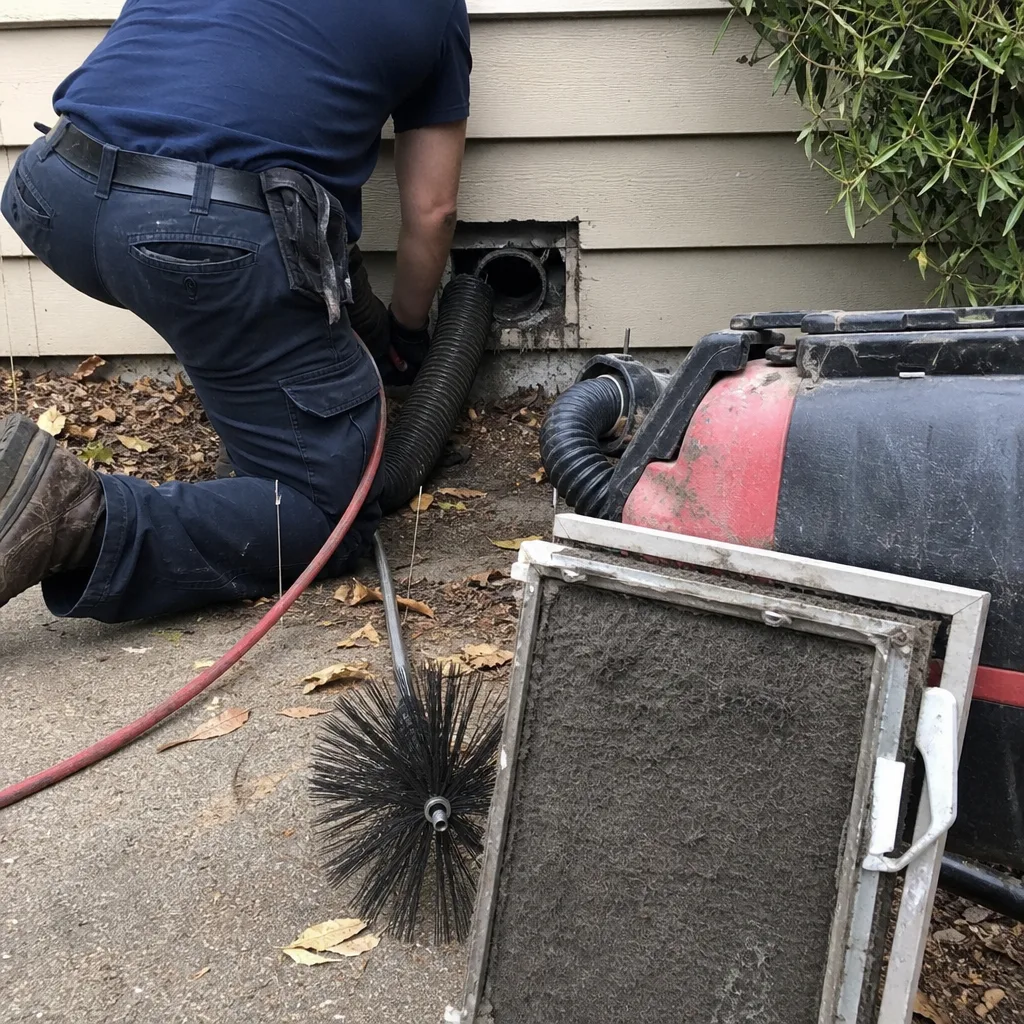
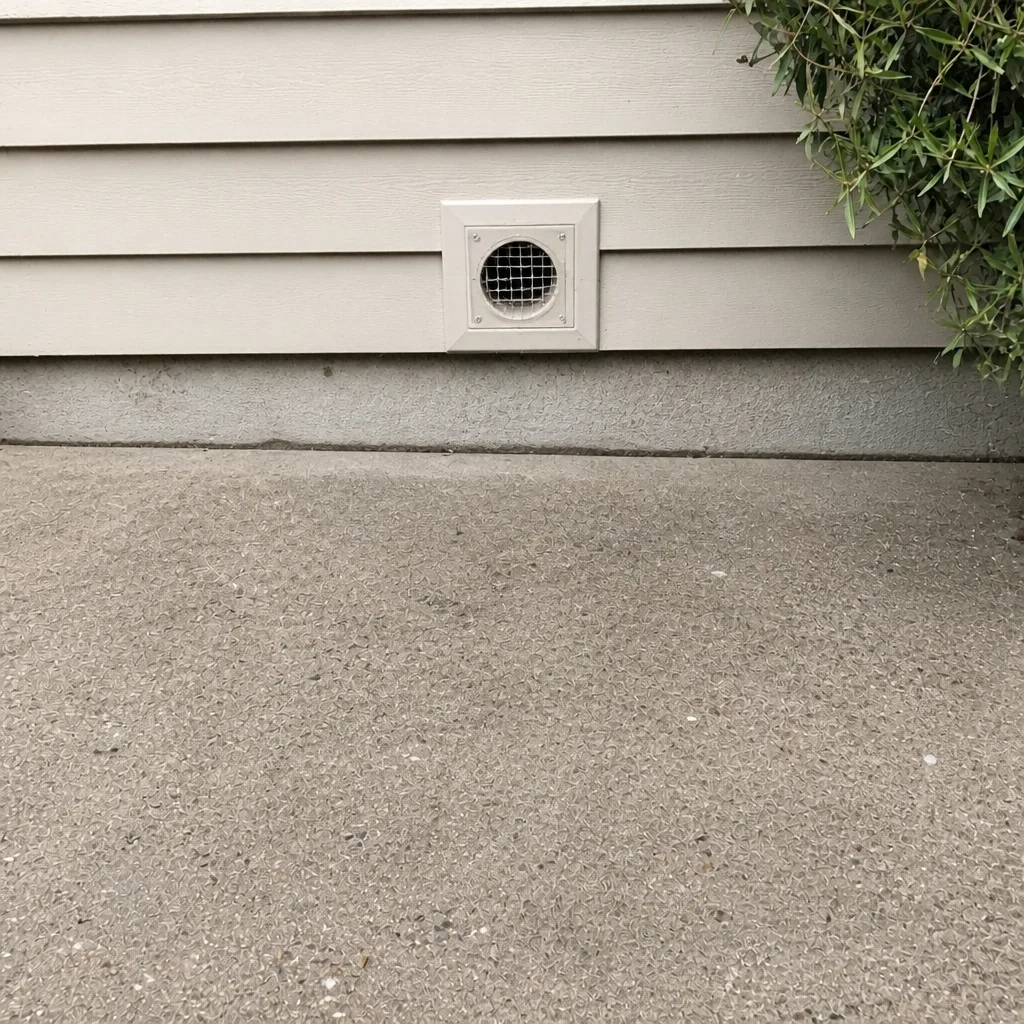
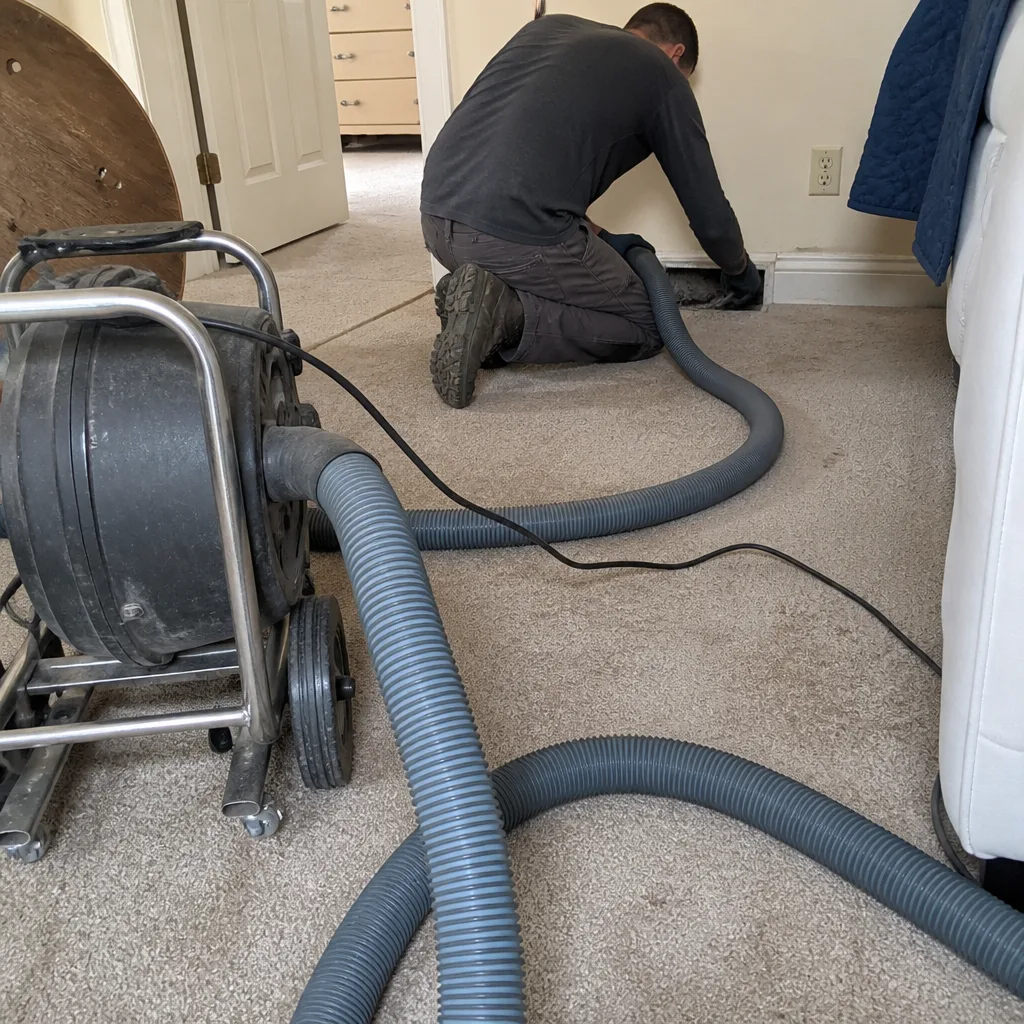
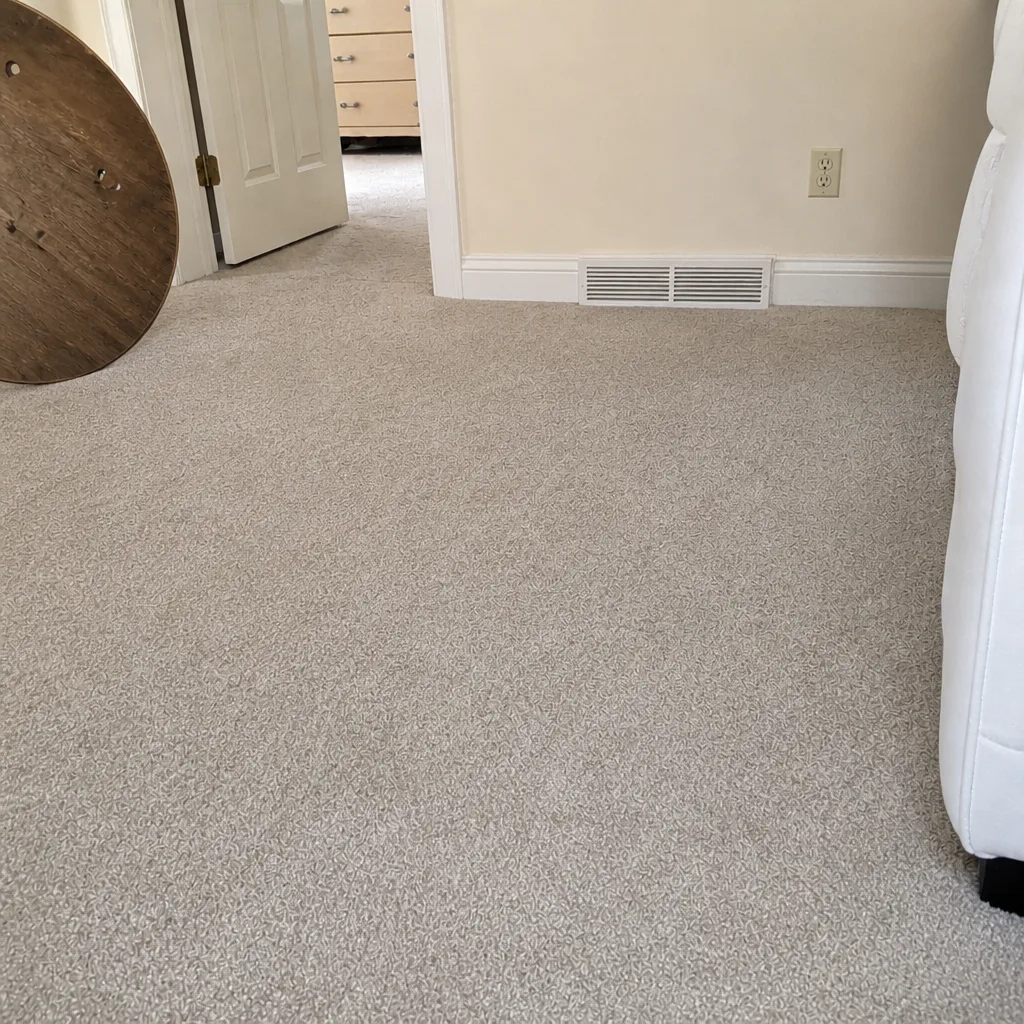
Homes across Hillsboro being updated for the current market – kitchens opened up, floors redone, basements finished – are the ones where we see the biggest pre-versus-post difference. Before-and-after photos of your own ducts usually make the case better than we can.
The Hillsboro Climate Window
Hillsboro sits in a cool, wet climate with two shoulder seasons – October into November and March into April – where outside humidity swings high and inside temperatures swing low. That combination is exactly the environment where condensation forms inside under-insulated ductwork, particularly on runs that pass through unconditioned spaces like crawlspaces, garages or attics. When condensation forms on metal or on cold duct walls and stays there, mold can establish in a matter of weeks.
Timing your annual inspection around those two windows lets you catch moisture issues before they become mold problems. A quick check in late September or early October, and another in early March, is the practical rhythm for a Hillsboro home. If you see condensation, rust streaks or a musty smell coming out of the supply vents, the ducts need moisture investigation, not just cleaning.
We’ve seen this pattern enough times in the Hillsboro area to know it’s about timing more than luck. Duct runs through crawlspaces are the usual suspects, and older housing stock with less duct insulation is where the risk concentrates.
What to look for at the seasonal check
- Condensation on any visible duct section, especially in crawlspaces or garages
- Rust streaking on the outside of any metal duct run
- Musty odors at supply vents that appear only in shoulder seasons
- Visible dark spotting or discoloration inside grille collars
Any one of those means you want a professional inspection, not a homeowner workaround.
What to Do Between Professional Cleanings
Once the ducts are clean and the schedule is set, the goal is to slow down re-accumulation so you hit the next interval rather than leapfrogging it. Three habits do most of the work.
Check static pressure with your filter in place
A clogged or over-restrictive filter raises static pressure across the system, which reduces airflow, which means the blower runs longer for the same comfort and pushes more hours of particle movement through the ducts. The practical test: compare the airflow at your farthest supply register to the closest one with the filter fresh. If the far register is much weaker, you either need a step up in filter quality or the ducts need a look.
Upgrade the filter path, not just the number
Going from a MERV-8 fiberglass to a MERV-13 pleated is a meaningful jump, but it matters how the upgrade is housed. A deep media cabinet – the kind Honeywell and Aprilaire both make – holds more surface area, so it captures more particulate at lower pressure drop than a thin filter of the same MERV rating. That’s the more effective upgrade path, and it can often be paired with a fresh cleaning.
Inspect supply grilles every quarter
Wipe down the grille faces, check the fins and collars, and look for the telltale gray film that signals new accumulation. If you’re seeing it within three months of a cleaning, something upstream is wrong – a leak, an unsealed return, a filter that’s bypassing. Those merit a professional look, not another wipe-down.
Duct repair is a standalone service for a reason: sealing a disconnected joint in a basement run can eliminate half a home’s dust problem in one visit. Call (866) 810-7564 for a free estimate if you’ve found something on your checks.
How to Inspect Your Own Ducts Safely
Homeowner duct inspection is limited to visible sections and grille-level checks. Anything beyond that – opening plenums, cutting into ductwork, going inside a running system – belongs to a trained technician. Here’s what you can safely do without risking damage or injury.
- Start with the grilles. Remove each supply and return grille and shine a flashlight up the collar. Note color and depth of any dust you see.
- Check the filter slot. Is the filter seated properly? Is air bypassing it around the edges? A gap of a quarter inch undoes most of the filter’s job.
- Look at accessible duct runs. Ducts visible in a garage, crawlspace or basement can be inspected for rust, condensation, sagging or disconnected joints.
- Feel the airflow. With the system running, hold your hand at each vent and compare the strength. Big differences are a signal.
- Sniff. A musty or chemical smell coming from supply vents is a professional-grade concern, not a diagnosis you can make on your own.
What you should not do: reach tools into ductwork, try to disassemble plenums, or run a vacuum with a hose attachment “to clean things out.” Shop vacuums without HEPA filtration simply aerosolize debris into the room. The professional tooling – Rotobrush contact cleaning heads, Nikro HEPA extraction, Abatement Technologies containment equipment – exists because every step in that process has a specific job that entry-level gear can’t do.
Common Mistakes to Avoid
- Cleaning on a fixed interval that ignores your home. Following “every five years” when you have three dogs and a recent remodel doesn’t stretch the interval, it just skips the cleaning you actually needed.
- Hiring a blowout-and-go cleaning. Blowing compressed air through the ducts without HEPA extraction just moves debris from the duct walls into the room. Ask what extraction equipment is used. If they can’t name it, keep looking.
- Skipping post-renovation cleaning. Drywall dust that sits for a year bonds to the duct walls and takes much more aggressive work to remove. Clean within thirty days.
- Going too high on filter MERV without checking the system. Very high filtration on an older blower can choke airflow and cause other problems. The filter housing matters as much as the number.
- Overlooking the crawlspace ducts. In Hillsboro, under-insulated runs through a cold crawlspace are where moisture problems start. Out of sight, out of schedule – until the musty smell reaches the living room.
- Treating a duct repair as optional. A crushed or disconnected run short-circuits the whole cleaning. Repair it on the same visit rather than scheduling a separate contractor.
- No before-and-after verification. If a company can’t show you photographic evidence of what they cleaned, you have no way to confirm the work happened. Ask for it up front, before they start.
When to Call a Professional
Some situations call for an inspection rather than a homeowner check. If you can see visible debris accumulating on more than one duct, if you smell mustiness from the supply vents, if someone in the home has developed new allergy symptoms that worsen indoors, or if the last cleaning was more than three years ago, it’s time to schedule a professional evaluation. Visible moisture, rust or disconnected joints in accessible ductwork also warrant a call. Ducts that are part of a system running on a restrictive high-MERV filter without a media cabinet should be reviewed for system compatibility. Duct Cleaning Hillsboro offers free estimates in Hillsboro on all air duct and repair work. Call (866) 810-7564. We answer 24/7. Fast dispatch from 7am to 7pm, Sunday through Friday.
See the difference
 Before
 After
 Before
 After
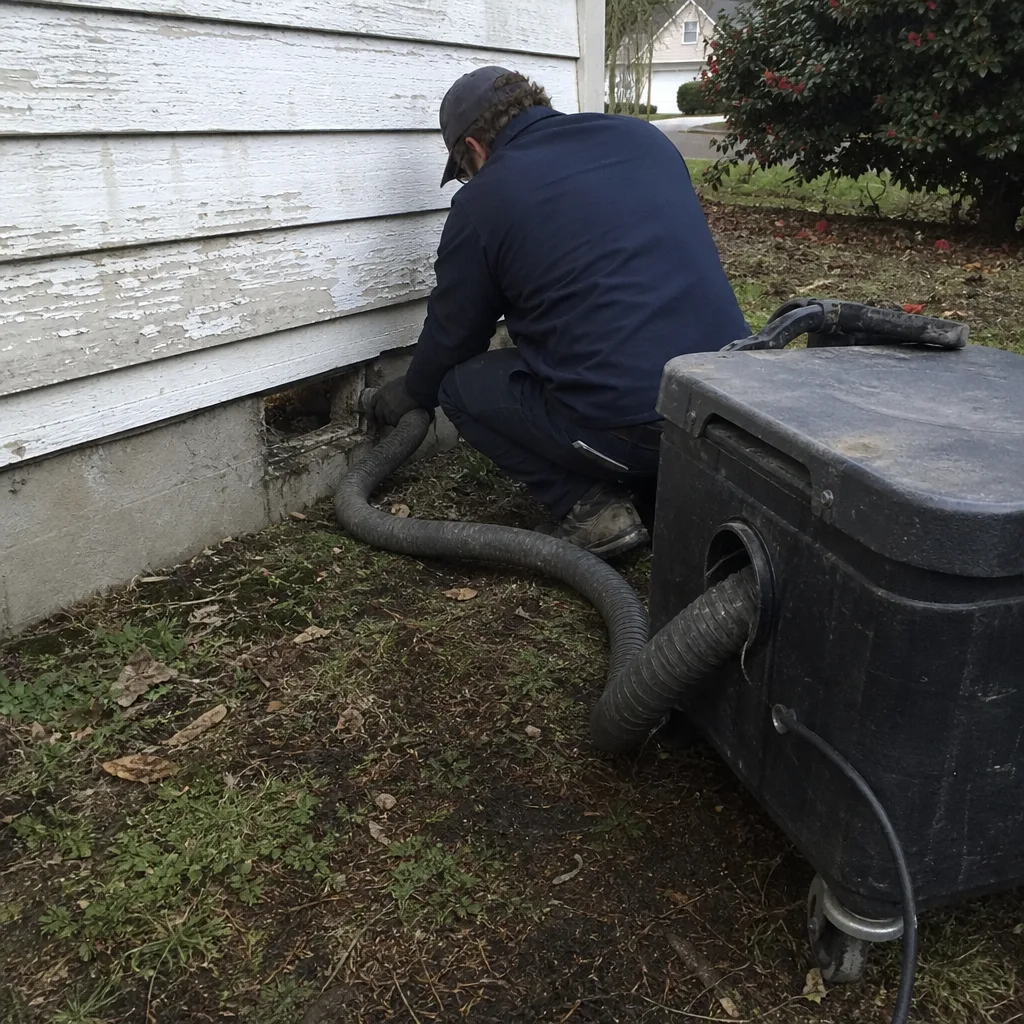 Before
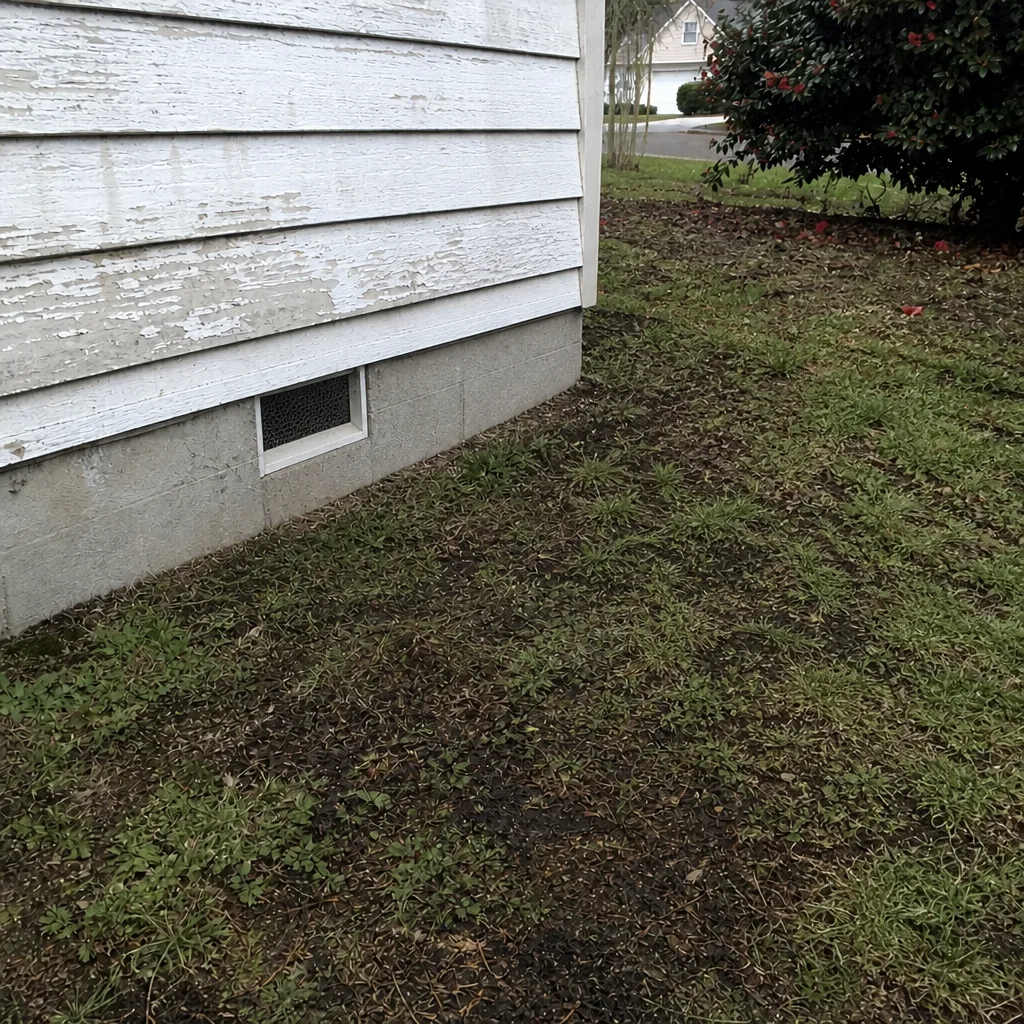 After
Frequently Asked Questions
Most Hillsboro homes need full duct cleaning every 3 to 5 years, but homes with pets, recent renovation, allergy sufferers or long HVAC runtime should be cleaned every 1 to 3 years. The right interval depends on your specific accumulation rate, not the average. Call (866) 810-7564 for an exact quote – estimates are free.
Five years is a reasonable upper bound in a low-occupancy home with quality filtration and no recent work, but even those homes should have visible-duct checks annually. In Hillsboro’s wet climate, moisture issues can develop in ductwork between cleanings regardless of the accumulation rate. Call us for guidance on your specific situation.
Yes. Post-renovation cleaning is mandatory, not optional. Drywall dust bypasses most residential filters and coats duct walls in a way that compounds every year it’s left, so schedule full cleaning within thirty days of the final walkthrough. Call (866) 810-7564 for a free estimate.
A filter catches what’s moving through the return; duct cleaning removes what has already deposited on the duct walls. Both tasks belong on the same calendar but at very different frequencies – filters monthly, full duct cleaning every 1 to 5 years. If you’re unsure which your system needs, call us for a free inspection estimate.
Before-and-after photos of your own ducts. Any professional job should start with photos of the ducts and finish with photos showing the difference. If a company can’t or won’t provide them, that’s your answer. Duct Cleaning Hillsboro documents every job this way. Call (866) 810-7564 for a free estimate.
Cheap quotes usually skip extraction. Without HEPA equipment like Nikro or containment-grade gear from Abatement Technologies, the “cleaning” just redistributes debris into the living space rather than removing it. Paying for a proper contact-plus-extraction job costs more up front and less over time. Call (866) 810-7564 for a free estimate on a full extraction cleaning.
Dryer vent cleaning is a separate task with its own cadence, and it’s a fire-prevention service more than an air quality one. Lint blockage can cut dryer efficiency and create a fire risk, so it should be checked annually. It pairs naturally with an annual duct inspection. For dryer vent cleaning and airflow verification, call (866) 810-7564.
The Bottom Line
A single interval doesn’t fit every home. Build your duct schedule around four variables – pets, renovation history, allergies, and HVAC runtime – and your cleaning frequency becomes a measured decision instead of a copy-paste one. Filters monthly, grilles quarterly, inspection annually, full extraction on the interval your home actually produces. In Hillsboro, add the October-November and March-April check points to catch condensation before mold establishes, and treat post-renovation cleaning as mandatory. Our technicians have up to 9 years of experience; call to get a specific schedule for your home. Clean ducts, confirmed.
Ready to get your ducts on a real schedule? Call (866) 810-7564 for a free estimate. We answer 24/7. Fast dispatch from 7am to 7pm, Sunday through Friday.
Written by the team at Duct Cleaning Hillsboro.